When familiar runs start leaving your knees stiff or sore, cutting back isn't necessarily the only option. From gait retraining to joint injections and shockwave therapy, there are several approaches worth understanding — although they don't all have the same evidence behind them.
You hit a certain age and the arithmetic of miles run versus recovery time changes completely. The connective tissue does not bounce back as it did at twenty-five. Cartilage loses water content over time; the structural matrix dries out slightly after decades of ground reaction forces.
We tell ourselves it is just part of the process. We scale back mileage, add ice, and buy softer shoes. But biomechanical tweaks only do so much when the internal environment of the knee itself is changing. There is a whole layer of clinical strategy that goes completely ignored by the average recreational athlete.
You can actually address the joint environment directly. We now have distinct methods to keep the synovial capsule healthy.
These methods buy time and preserve function without putting a runner on an operating table. The culture of distance running often glorifies suffering through the pain, but structural joint damage does not respond well to grit. It responds to targeted mechanical and biochemical interventions.
The cartilage itself has no direct blood supply. It relies entirely on the surrounding fluids for nutrition and waste removal. When that fluid environment degrades, the cartilage essentially starves.
The Role of Synovial Fluid Replacement Therapy
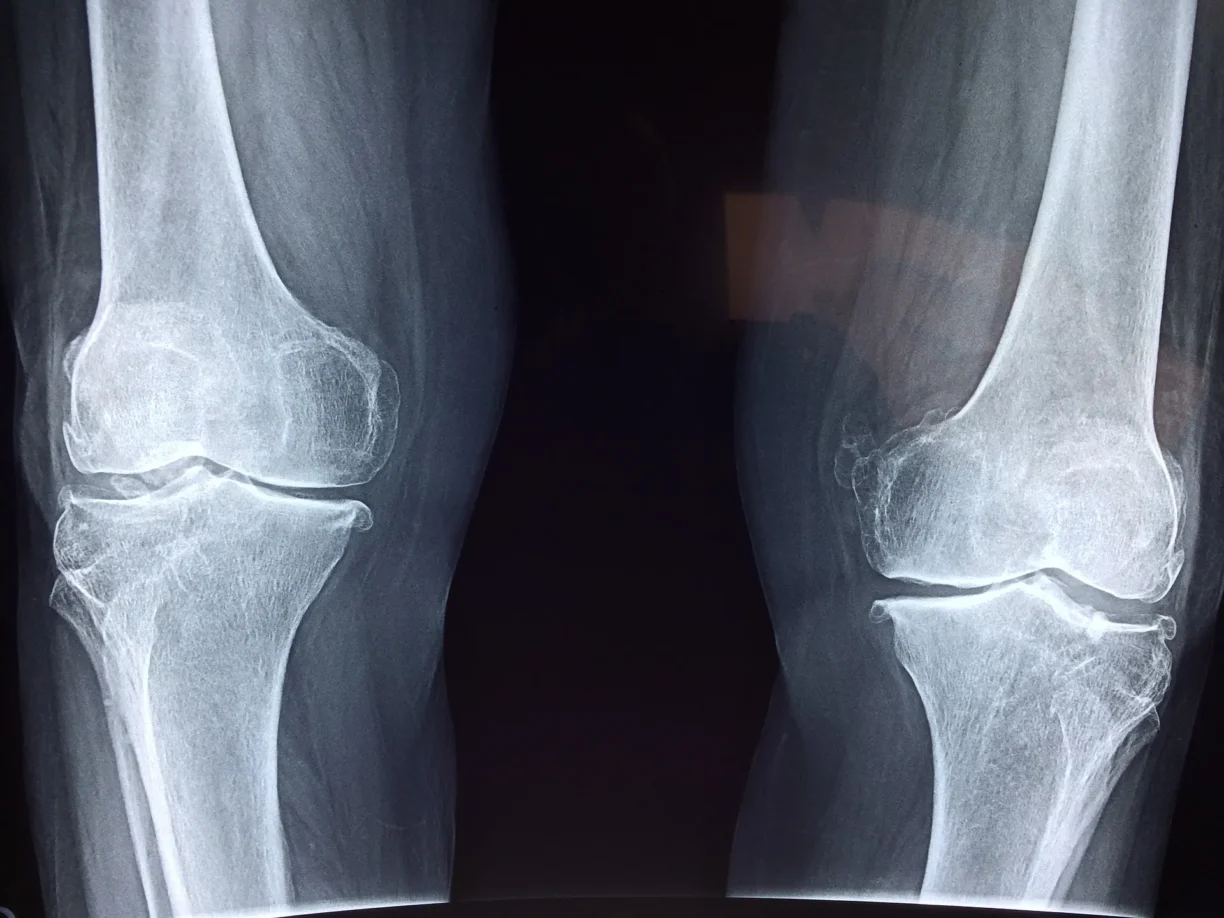
A healthy knee relies on a thick, viscous fluid to keep the bones from grinding together. This is where synovial fluid replacement therapy comes into play. The body eventually stops producing enough of its own high-molecular-weight hyaluronan as we age.
Friction increases inside the joint space; inflammation sets in shortly after. Researchers have spent decades looking at how to restore that mechanical buffer. The clinical consensus points heavily toward intra-articular injections.
Specifically, hyaluronic acid injections for runner’s knee offer a very practical mechanical solution. The injected gel essentially acts as a shock absorber. It replicates the physiological properties of healthy joint fluid.
Orthovisc is a highly purified, high-molecular-weight hyaluronan derived from rooster combs, specifically engineered to restore that lost viscoelasticity in the knee joint. It works by binding with the existing fluid to physically cushion the cartilage and reduce the friction that causes chronic pain during high-impact activities.
Physicians frequently utilise Orthovisc to provide mechanical support to the joint capsule over a series of targeted injections. Clinics managing high volumes of sports patients often source wholesale Orthovisc syringes to maintain a steady supply for these scheduled treatment regimens.
The administration of Orthovisc requires precision, but the resulting reduction in mechanical stress allows the joint to function without constant irritation.
Clinical data support this mechanical approach to joint longevity. A 2019 systematic review published in the American Journal of Sports Medicine demonstrated that hyaluronic acid derivatives significantly improved pain scores and joint function in athletic populations over a six-month window.
The concept of viscosupplementation for active adults is fundamentally different from injecting corticosteroids. Corticosteroids shut down inflammation rapidly, but they also degrade cartilage over time. Viscosupplementation does the opposite by providing a structural barrier against shear forces.
Many sports medicine doctors recommend Orthovisc joint injections for runners precisely because they do not carry the catabolic risks of steroids. You get the necessary lubrication; you skip the tissue atrophy. This allows a return to load-bearing exercise with a protected joint surface.
Platelet-Rich Plasma and Biologic Signalling
We can also look at interventions that rely on the body’s own chemical signals. Platelet-Rich Plasma therapy has moved past experimental status to become a standard option in sports clinics worldwide. The procedure isolates growth factors from a patient’s own blood.
These factors are then concentrated and introduced back into the damaged area. The physiological goal is to stimulate tissue repair at a cellular level.
If we examine the broader category of non-surgical joint interventions for runners, PRP occupies a unique and fascinating space.
The concentrated platelets release cytokines that actively modulate the inflammatory environment of the knee. Studies suggest this process can actually upregulate collagen production in the joint capsule over several months.
For athletes focused on post-40 joint mobility and preservation, changing the biochemical signalling inside the knee is a logical and necessary step. You are essentially tricking the ageing tissue into responding like younger tissue. The joint heals faster; the chronic ache dulls down to a manageable whisper.
The timeline for biologic treatments requires patience. Tissues take weeks to remodel themselves based on the new cellular instructions provided by the platelets. A runner cannot get a PRP injection on a Tuesday and run a long workout on Thursday.
The protocol usually involves a period of relative rest followed by a gradual reloading of the tendon or joint. The structural improvements happen slowly. Doctors will often monitor the progress with ultrasound imaging to visualise the tissue density changes.
The fascinating part about this biologic approach is that it addresses the root cause of the degradation rather than just masking the symptoms. When combined with proper physical therapy, the newly formed collagen fibres align themselves according to the stress placed upon them. This creates a stronger, more resilient joint capsule over a period of three to six months.
Extracorporeal Shockwave Therapy
Some therapies do not require a needle at all. Extracorporeal Shockwave Therapy uses acoustic waves to target connective tissue and bone. The machine drives sound waves deep into the tissue to create controlled micro-trauma in the targeted area.
This sounds counterproductive at first glance. But that specific micro-trauma forces a massive metabolic response. The body rushes blood and stem cells to the region to heal the tiny injuries, thereby healing the underlying chronic injury in the process.
The literature on ESWT is quite robust in modern sports science. It is rapidly becoming a cornerstone among non-invasive knee osteoarthritis treatments. The acoustic waves break up calcifications in tendons and stimulate new blood vessel formation.
This neovascularisation brings oxygen and nutrients to tissues that typically have very poor blood supply, like the patellar tendon. Effective knee pain management for master’s runners usually requires addressing both the cartilage and the supporting tendons surrounding the joint.
ESWT specifically targets that tendon-bone interface with measurable acoustic force. It is loud and slightly uncomfortable in the clinic; the results are often measurable within weeks.
Sessions are typically spread out over a month. The physiological changes continue to develop long after the final appointment.
The acoustic waves trigger a cascade of biological reactions that essentially reboot the healing process in tissues that had previously given up. The cellular response includes a massive release of vascular endothelial growth factor.
This specific protein signals the body to build new blood vessels. In an area that famously struggles to heal due to poor circulation, this artificial stimulation changes the entire recovery timeline. The structural integrity of the tendon improves as the new vascular network supplies the raw materials needed for collagen synthesis.
The knee joint operates as a complex pulley system; if the tendons pull smoothly and the cartilage glides without friction, the pain signals disappear.
Advanced Gait Retraining and Targeted Load Management
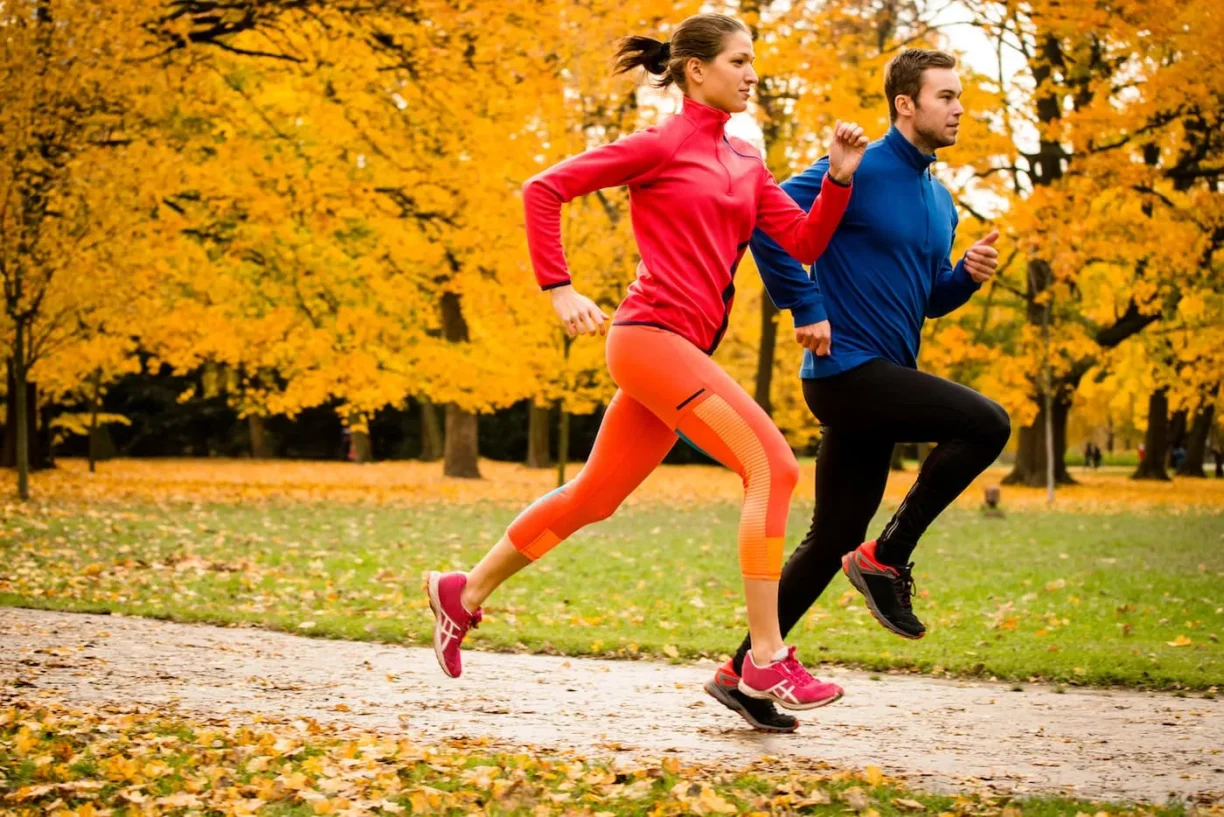
Biomechanics still matter immensely in the grand scheme of joint health. The way your foot strikes the ground dictates the sheer force transmitted right through your patella.
Force plates and high-speed cameras have completely changed how physical therapists analyse a runner’s stride. We no longer just look for overpronation or flat arches. We look at cadence, vertical oscillation, and ground contact time.
A slight increase in step rate can drastically reduce the load on the knee joint. Researchers have consistently found that increasing cadence by just five to ten percent decreases the energy absorbed by the knee by up to twenty percent.
This metric is absolutely vital for cartilage protection for middle-aged runners. You take more steps per mile, but each individual step is lighter. The cumulative stress drops significantly over the course of a long run.
Proper running after 40 joint care is an exercise in strict resource management. Your cartilage is a finite physiological resource. You have to spend it wisely on the pavement.
Gait retraining provides a highly mathematical approach to that daily spending. You can use wearable sensors to track your left-right symmetry and vertical bounce in real time out on the road.
Specific parameters worth tracking include the following metrics:
- Cadence (steps per minute) to shorten stride length and prevent overstriding.
- Vertical oscillation to minimise the hard downward crash of gravity.
- Ground contact time to ensure quick force dispersion into the ground.
These numbers give you a dashboard for your mechanical efficiency. You stop guessing about your form. The data tells you exactly how much punishment your knees are taking per mile. The transition to a higher cadence feels awkward for the first few weeks.
The neuromuscular system has to rewrite its established firing patterns. Your heart rate might even spike slightly at a familiar pace because your brain is working overtime to manage the new motor patterns. The long-term payoff is a joint that survives marathon training cycles without swelling up like a balloon.
You just have to commit to the initial awkwardness. A shift in the foot strike closer to the centre of mass eliminates the heavy braking force associated with heel striking. The mechanics of running become fluid; the skeletal system absorbs less trauma.