What if the secret to a longer life isn't living longer, but living differently?
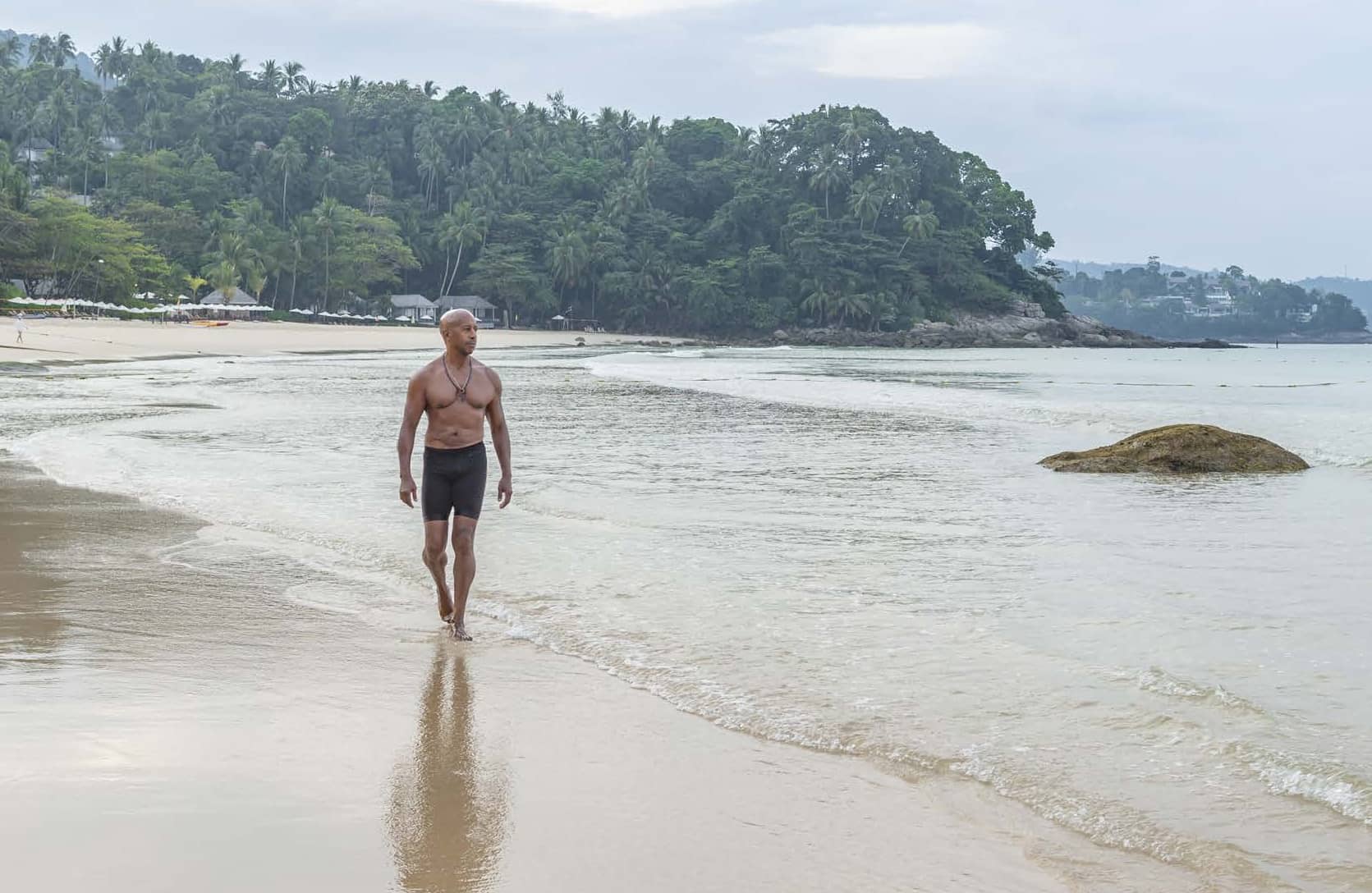
A couple of months ago, I woke up aged 68 and gave myself twelve years to live.
Not because a doctor had given me bad news. Not because I believe I’ll die at 80. And certainly not because I think 80 is an age at which life should somehow come to an end.
I simply wondered what would happen if I treated the next twelve years as the most important years of my life.
Twelve years in which to actually live, rather than just get through.
It’s a strange thing to do, putting a number on your future, particularly when you’ve spent years arguing that age is a poor measure of what we’re capable of. But there’s a difference between allowing age to define your life and deciding to take your life more seriously.
The illusion of unlimited tomorrows
When we’re young, time feels almost limitless. There’s always another summer, another chance to do the things we keep promising ourselves we’ll do. Then, somewhere along the way, we recognise that time isn’t quite as elastic as we imagined.
That doesn’t have to be depressing. It can be liberating. Because when you stop assuming tomorrow will always be available, today becomes rather more interesting.
Not another bucket list
The obvious response would be to start a list. Places to visit. Mountains to climb. Experiences to collect.
That isn’t what I have in mind. I’ve never believed the quality of a life can be measured by the number of things squeezed into it. We fill our diaries, set ourselves targets, congratulate ourselves on being busy, then wonder why we’re exhausted.
I don’t want twelve years of frantic achievement. I want twelve years in which to spend time with the people who matter, pursue ideas that excite me, and stop confusing being busy with being alive.
Not long ago, I ran into an old friend called John. We first knew each other 45 years ago, when we trained at the same gym. These days we might see each other once a year, sometimes less. But when we meet, those missing years seem to disappear.
We don’t need to impress each other or explain who we’ve become. To the rest of the world, we’re just two older men having a laugh. But we recognise something in each other that time hasn’t changed.
I wrote about that friendship in Somebody Nobody, a story about the extraordinary value of being recognised for who we are.
Then, at my David Lloyd club, I saw the other side of that recognition.
There’s a cleaner there called Foster who walks with a pronounced limp. Over the past six months, I’ve noticed him struggling increasingly with his walking, and recently he seemed to be having more difficulty than usual.
I’ve taught my exercise methods around the world, but this is my club, and Foster is an important cog in its wheel. He helps keep the place running, yet it’s easy for people to walk past someone doing that kind of work without giving them a second thought.
I approached Hollie, one of the senior managers, with an idea. I wanted to use the pool at 5 am, before the club opened and Foster began his shift, so I could spend some time with him in the water and show him some gentle exercises that might help.
I also had something to say about the club’s identity. David Lloyd describes itself as a family club, but calling yourselves a family club means nothing if you don’t help your own.
Hollie didn’t hesitate. She agreed.
The following morning, I stopped Foster to ask about his leg and told him what I’d arranged. He didn’t even know my name.
His face lit up.
Nothing had changed about his leg. But something had changed in that moment. Someone had noticed. Someone cared.
With John, I was reminded of what it means to be recognised by someone who has known you for most of your life. With Foster, I was reminded that you don’t need to know someone at all to make them feel they matter.
Perhaps living more fully isn’t about finding more time for ourselves. Sometimes it’s simply about noticing someone else.
The trouble with living longer
We’re increasingly obsessed with longevity. We’re told what to eat, when to eat, how long to fast, how many steps to take, which supplements to swallow and which measurements to monitor. Much of this advice has merit. But I sometimes wonder whether we’re so preoccupied with extending life that we’re forgetting to enjoy it.
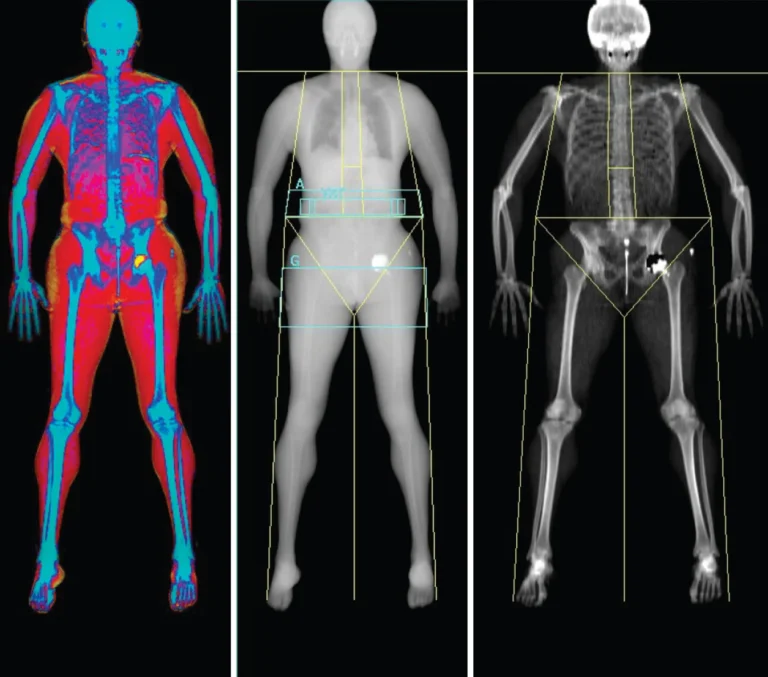
I’m as curious about my body as I’ve ever been. Recently, I booked a DEXA scan to find out what was going on beneath the surface, rather than relying on what I could see in the mirror. I see that curiosity as part of my new beginning: understanding the body I have now and discovering what I can still do with it.
But not every experiment deserves to become a permanent habit.
For the past couple of years, I’ve generally fasted for fourteen hours overnight. Recently, I decided to extend that to sixteen hours for four weeks, curious whether it might improve my energy, my skin or anything else I could actually notice.
It didn’t. My weight, my skin and my energy remained exactly the same.
The only noticeable result was that I became an even bigger social bore. Arranging my social life around a fourteen-hour fast was bad enough; sixteen hours was worse. I found myself organising meals and meetings around the clock, and in the process making my life less enjoyable.
That doesn’t mean fasting has no benefits for anyone. It simply means that, for me, those extra two hours weren’t worth the inconvenience. I have no objection to living longer. I’d be delighted to have another twenty or thirty years. But what’s the point of adding years to our lives if, in the process, we make those lives less enjoyable?
A reminder, not a deadline
Twelve summers. Twelve Christmases. Twelve first cuts of grass. Thousands of mornings. Enough time for friendships to deepen, for new ones to begin, and for life to surprise us.
None of us is guaranteed twelve years. We’re not even guaranteed tomorrow. That’s exactly why I don’t want to spend the years ahead waiting for life to begin.
So the twelve years aren’t a deadline. They’re a reminder. To be selective about what matters. To spend less time on what drains me and more on what makes me feel alive.
If I’m fortunate enough to reach 80, everything thereafter is a bonus. But the point was never to stop at eighty. It was to stop waiting.
A couple of months ago, I gave myself twelve years to live.
The question isn’t how long I can live.
It’s how fully I choose to live.