Hydration is emerging as a simple, overlooked habit in the growing conversation around longevity and healthy ageing.
Longevity has become one of wellness’s grand obsessions, with ageing now discussed through the language of sleep scores, supplements, strength training and nutrition plans. But air up® believes one of the most practical solutions to supporting healthier ageing has been sitting in front of us all along: hydration.
Not the dramatic sort of wellness habit that requires an ice bath, a ring light or the emotional discipline of a monastery. Just water. Regularly. Consistently. Ideally before thirst arrives like an unpaid bill.
air up®, best known for its scent-based hydration system, is using recent research around fluid intake and biological ageing to make a simple point: if people are serious about longevity, they should not overlook the everyday behaviours that help the body function properly in the first place.
Why Hydration Belongs In The Ageing Debate
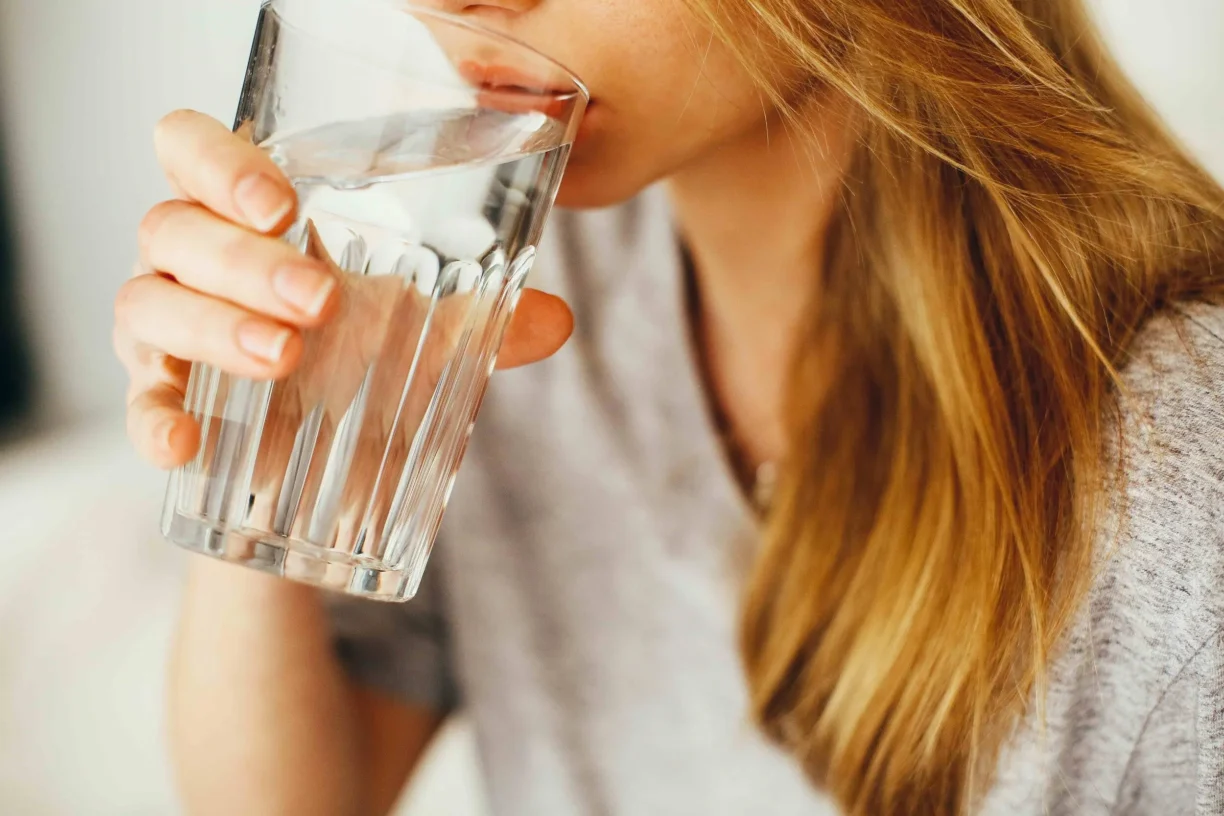
The renewed interest in hydration and ageing follows NIH-backed research examining serum sodium levels and long-term health. Serum sodium can rise when fluid intake is low, and the 30-year study of more than 11,000 adults found that adults at the higher end of the normal serum sodium range were more likely to show signs of faster biological ageing over time.
Higher levels were also linked with a greater risk of chronic disease and poorer long-term health.
That does not mean water is a magic anti-ageing elixir. The researchers stressed that the findings do not prove hydration causes slower ageing. Sensible people should resist turning every promising study into a miracle cure, particularly before breakfast.
But air up®’s view is that the research adds weight to something wellness culture often forgets: hydration is not merely about quenching thirst. It supports the daily systems that keep the body running — digestion, circulation, temperature regulation, joint lubrication and nutrient absorption among them.
In less delicate terms, the body is not especially keen on being treated like a houseplant left beside a radiator.
The Problem With Modern Longevity Culture
Longevity has gone mainstream, which is both useful and slightly exhausting. On the useful side, more people are thinking seriously about how they sleep, eat, train and recover. On the exhausting side, the conversation can sometimes sound as though ageing well requires a private laboratory and a fridge full of powders with names that resemble Wi-Fi passwords.
That is where hydration becomes interesting. It is not exotic. It is not fashionable in the way a new wearable or supplement can be. But it is accessible, repeatable and relevant to almost everyone.
air up is positioning hydration as a foundation habit rather than a final flourish. In other words, before worrying about complicated interventions, it may be worth asking whether the basics are actually being done properly.
That is not anti-science. It is the grown-up version of wellness.
Why Drinking Enough Water Gets Harder With Age
Hydration becomes particularly important as people get older. The body’s thirst response can change with age, making older adults more vulnerable to under-drinking.
This is where routine matters. Waiting until thirst becomes obvious is not always the best strategy. A glass of water in the morning, a refillable bottle kept in plain sight and choosing water before reaching for other drinks are not revolutionary steps. They are simply practical ones.
And practical tends to last longer than heroic. A habit that can be repeated on a busy Monday afternoon is usually more valuable than one performed twice with great enthusiasm and then abandoned next to the juicer.
air up’s Take: Make Water Easier To Want
The real challenge with hydration is not that people are unaware of water. It is that many people find plain water dull, forget to drink it, or only reach for it when thirst, fatigue or dry skin starts nagging.
air up’s approach is built around that behavioural problem. Its system flavours water through scent alone, designed to make drinking water feel more enjoyable without sugar.
That detail matters. In the context of longevity and healthy ageing, the strongest habits are usually the ones people can live with. If making water more appealing helps someone drink more consistently, then the value is not just in the bottle or the flavour pod. It is in the routine that follows.
This is where air up’s commentary sits neatly within the broader healthy ageing conversation. The brand is not presenting hydration as a cure-all. It is arguing that water should be treated as a daily health behaviour with long-term relevance, not just a short-term fix for thirst.
Hydration As One Solution, Not The Whole Answer
No serious discussion about longevity should pretend there is one answer. Ageing well is shaped by sleep, movement, nutrition, genetics, environment, medical care, stress, social connection and a rather irritating amount of consistency.
Hydration is one part of that picture. But it is a part that is inexpensive, accessible and too often ignored because it lacks the theatre of newer wellness trends.
That may be precisely why it deserves more attention.
air up®’s message is refreshingly simple: if people want to build a healthier ageing routine, water should be one of the first habits to get right. Not because it is glamorous, but because the body relies on it every day.
In a longevity market increasingly crowded with complicated promises, hydration has the rare advantage of being obvious, useful and stubbornly sensible. Which, in wellness terms, makes it almost radical.