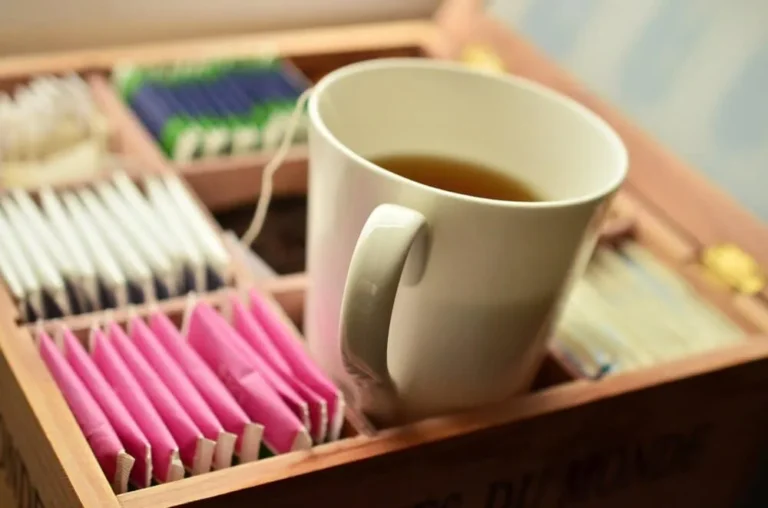
Plus some top tips for making sure you stay hydrated in hot weather.
Hydration is one of those health habits that sounds almost insultingly simple, right up until a hot afternoon, a pounding headache and the complexion of an over-baked biscuit suggest the body may have filed a formal complaint.
Research by Actiph Water suggests 90% of Brits are drinking less than the recommended two litres of water a day. More startling still, one in 10 are reportedly drinking no water at all. Not “a bit less than ideal”. None. That is not a lifestyle choice so much as a hostage negotiation with your kidneys.
Water rarely gets the glamour slot in health conversations. It has no celebrity ambassador doing lunges in a desert, no elaborate ritual, no £18-a-shot mystique. Yet it sits quietly underneath almost everything the body does well: temperature control, digestion, circulation, energy, skin health and the general business of not feeling like a crumpled betting slip by lunchtime.
Why Water Still Matters More Than We Pretend
The human body is made up of around 60% water, which makes our collective neglect of the stuff seem even more peculiar. We will charge phones before leaving the house, track steps, count protein, buy shoes with more engineering than a small bridge, and then forget to drink the thing that keeps the whole circus functioning.
Dr Luke Powles, associate clinical director at Bupa Health Clinics, puts it plainly. “Water makes up nearly two-thirds of your body and is essential for you to function properly.”
“Your body uses water to help with many different processes, including transporting nutrients and oxygen around your body, getting rid of waste products, controlling your temperature and the function of your digestive system. Drinking enough water will also help to keep your skin healthy.
In other words, water is not wellness decoration. It is infrastructure. Rather unsexy infrastructure, admittedly, but then so are brakes, and we tend to miss them when they stop working.
Dehydration Is Not Just A Summer Nuisance
The trouble with dehydration is that it can arrive wearing several disguises. A headache. Fatigue. Dry mouth. Dizziness. A mood that suddenly makes everyone in the room seem profoundly irritating. In summer heat, or after exercise, alcohol, illness or heavy sweating, the margin for error gets smaller.
“It’s important to drink enough fluids, otherwise dehydration can develop,” Powles adds.
“This is where there is a lack of water in your body. “It can be brought on either by not drinking enough, or by losing water. For example, if someone’s experiencing vomiting or diarrhoea, they may lose fluids, along with important sugars, salts and minerals. Other causes of dehydration include sweating a lot or drinking too much alcohol.”
That last point will be familiar to anyone who has ever mistaken a sunny beer garden for a hydration strategy. Alcohol may feel like a fluid because it arrives in a glass and causes immediate confidence, but the body is not fooled.
The Easiest Way To Check Your Hydration
There is a wonderfully unglamorous but useful hydration indicator available to almost everyone: urine colour and frequency.
Powles says one of the best indicators for hydration is the number of times you pass urine and its colour. Ideally, it should be pale yellow. Not theatrical, not mysterious, not the shade of late-afternoon varnish.
“If you don’t need to go as often as usual, or you go less than four times a day, you only pass a small amount each time, and it’s dark in colour, it’s likely that you’re dehydrated,” he continues.
“Other signs include having a headache, feeling tired and weak, confusion, mood swings and a dry mouth, lips and eyes, plus feeling thirsty, feeling dizzy or light-headed.”
The body is rarely subtle when it is being ignored. It simply escalates until someone pays attention.
How To Drink More Water Without Turning It Into A Chore
For some people, the problem is taste. For others, it is habit. Many are simply busy, distracted, or welded to a desk with the grim determination of a tournament marshal in sideways rain.
The answer is not to become the office bore with a gallon bottle and a personality built around refills. It is to make drinking water easier, more visible and less dependent on memory.
Start The Day With Water Before Coffee
The first drink of the day sets the tone. Before reaching for the cafetière, kettle or espresso machine, have a glass of water. It is a small act, but it gets the body moving in the right direction before caffeine starts making executive decisions.
Coffee and tea can be part of a normal routine, but water first is a clean, simple win. No app. No wristband. No complicated moral framework.
Use Herbal Tea As A Hydration Ally
Hot drinks can contribute to fluid intake, and herbal tea is a useful option for people who struggle with plain water. It gives flavour, warmth and ritual without relying on endless black tea or coffee.
Black tea and coffee can act as mild diuretics, so if they dominate the day while water barely appears, it may be worth rebalancing. A herbal teabag in hot water is not revolutionary. It is just sensible, which is sometimes better.
Add Fruit, Herbs Or A Bit Of Character
Plain water has never been accused of having a wild personality. If that is the barrier, dress it up. Add lemon, cucumber, mint, berries or fresh herbs to a jug of cold water and suddenly it feels less like punishment and more like something one might choose voluntarily.
The aim is not mixology. It is habit formation. If a slice of citrus gets you drinking more water, the citrus has earned its keep.
Let Your Phone Do The Remembering
Most people carry a device capable of tracking satellites, banking, sleep, taxis and the exact location of a takeaway driver. It can probably remind you to drink water.
Phone alarms can work well, particularly during busy working days. Habit tracker apps such as HydroCoach or WaterReminder may also help by showing how much liquid you have consumed across the day.
For anyone working from home, refilling a glass has another benefit: it forces you to leave the chair. A short walk to the tap is hardly Everest, but it is better than discovering at 4 pm that you have been folded over a laptop like a deckchair since breakfast.
The Bottom Line On Better Hydration
Good hydration does not need to become a personality, a performance, or a £70 stainless-steel accessory. It just needs to become normal.
Drink when you wake up. Keep water within sight. Flavour it if you need to. Pay attention to thirst, urine colour, headaches and fatigue. In hot weather, after exercise or during illness, be more deliberate.
The body is not asking for much. Just a steady supply of the liquid that makes up most of it. Ignore that, and it will eventually send a reminder — usually at the most inconvenient possible moment, and with all the subtlety of a bunker rake to the ankle.