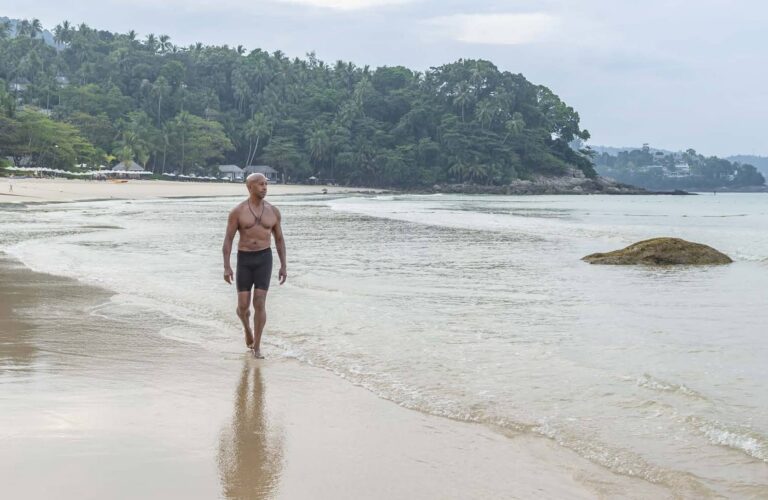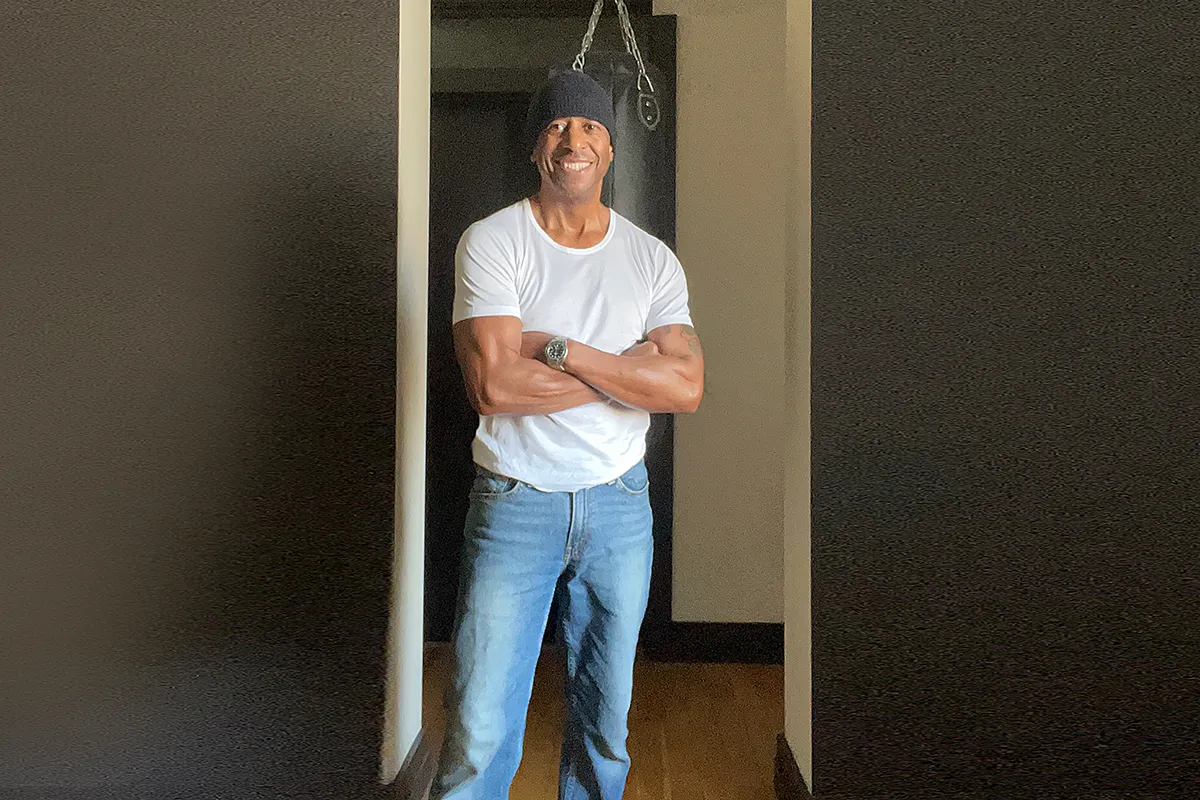
I’m 68 and three quarters, and something amusing has happened at my gym: a small tribe of men in their thirties want to look like me. When did you last hear a thirty-year-old say he wanted the physique of a man approaching 70?
They don’t come for programmes, supplements or lectures. We talk, laugh and disagree. They’re not disciples; they’re friends. They know I have opinions and won’t soften them to be agreeable. They also know I care about people, not titles.
Everywhere, someone is telling us how to get fit at 20, 30, 40, 50. Same headlines, same exercises, same promises; only faces and decades change. Every birthday apparently demands another fitness revolution. Now longevity has joined the circus: biological-age tests, supplements, protocols and people who seem to spend their lives measuring whether they’re living correctly. Some of the science is useful. Much of the commercial machinery is run by people who haven’t yet tested the proposition.
I’m not outside this world. I write, teach and am building Meta-Age. So judge me by the test I apply to others: not what I say, but what I’m still doing. I’ve exercised for decades, long before longevity came with a discount code. I coached Darren Barker, a boxer, when he was 31 and I was 55: five days a week in the pool, yoga and calisthenics — mind and body, not just body.
Here’s what irritates me. The industry is obsessed with getting you somewhere; what happens after you arrive bores it rigid. Six weeks to a new body, twelve weeks to a new you, another transformation, another before-and-after. Then what? Nobody cares about the next thirty or forty years. That’s where I’ve been living.
You have more fitness information than any generation in history. You can learn to squat before your coffee cools, calculate protein on the sofa and watch two experts explain why the other is wrong. You could spend six hours a day on fitness content and never break a sweat. Knowing and doing remain different things. You can’t eat the information. You already know movement beats sitting, food matters and consistency works. The industry keeps selling another answer as if the problem were a shortage of instructions.
The difficulty is repeating ordinary decisions through work, relationships, injuries and disappointment. If you’ve started and stopped more times than you can count, that makes you ordinary, not weak.
I’ve injured every major joint, had several invasive surgeries, and my mother once said I’d spent more time in hospital than on holiday. She wasn’t wrong. But I kept coming back. There’s no secret in that. It’s just hard to package and sell.
I like looking good. I won’t pretend otherwise because somebody thinks vanity is unbecoming at my age. But I’ve never wanted a physique that required me to stop enjoying life. I drink, eat in restaurants, love good company and don’t worry that dinner will ruin my abs. I also make choices: no sweets, no fizzy drinks, little processed food, movement throughout the day. Genetics and health matter; so do choices.
My physique isn’t a transformation. It’s an accumulation — choices made over decades while life happened. That accumulation includes more than exercise: travel, risks, extraordinary people, situations I couldn’t have imagined. Some decisions cost money. Others bought experiences money couldn’t. Would I be wealthier if I’d been cautious? Possibly. Would I swap this life for the safer one? Not a chance. I’ve never spent my life trying to preserve myself. I’ve spent it living.
The industry has it backwards. It sells a body as if acquiring one delivers the life you want. But fitness isn’t the destination; it’s one of the things that lets you keep participating in a life worth living. I don’t exercise because I’m frightened of 70. I exercise because there are things I still want to do, people to meet, places to go. The body matters because it gives me the freedom to pursue them.
Age shouldn’t determine the friendships we’re allowed. The men at my gym don’t treat me as an elderly gentleman deserving special consideration. They take the piss; I give it back. That’s how I like it. We’ve built a culture that treats growing older as an instruction to become less visible, less adventurous, less involved. I don’t intend to follow it.
My mother lived to 93, raised three boys alone, worked three jobs and stayed curious. In her nursing home she refused to sit with the other residents. “They make me feel old,” she said. Most were younger than her. Age changes circumstances; it doesn’t have to dictate identity.
I call this Meta-Age. It isn’t a promise everyone stays young, lean or well, and it isn’t another set of rules. It’s a refusal to let ageing become a reason to surrender curiosity, relationships or appetite for experience.
So I’m lean, and men half my age still want my physique. Amusing. What I value is that we can laugh, drink and talk about life without anyone caring about the age gap. The physique started the conversation. The life makes it worth having.
Fit at 20, 30, 40, 50? Wonderful. But don’t tell me about the programme that got you there. Tell me what you’re still doing at 68 and three quarters.
P.S. Don’t wait until I’m dead to decide I was right.