Expert heatwave workout tips from Abby McLachlan, covering hydration, timing, clothing, low-impact training and safe outdoor exercise.
Knowing how to exercise safely during a heatwave is the difference between a sensible summer workout and turning yourself into a lightly poached human being by lunchtime. When temperatures climb, fitness does not need to be abandoned altogether, but it does need a little intelligence, a touch of humility and perhaps fewer heroic ideas involving burpees in direct sunlight.
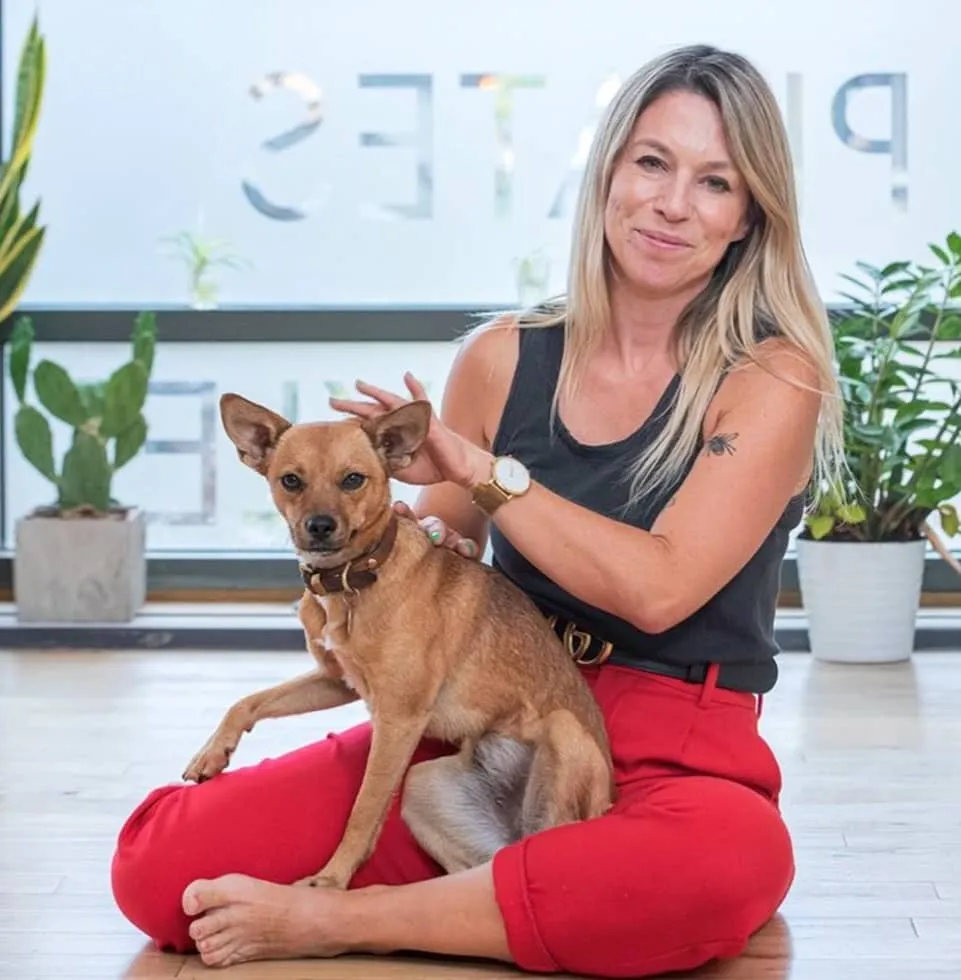
Abby McLachlan, Personal Trainer, Pilates Instructor and Founder of London fitness studio East of Eden, says the trick is not to stop moving, but to move better. That means adjusting intensity, choosing the right time of day, dressing properly, drinking enough water and, most importantly, listening when your body starts waving the white flag.
Here are her six expert tips for staying active, safe and reasonably civilised when the heat decides to behave like it owns the place.
Choose Low-Impact Workouts When The Heat Bites
Hot weather has a marvellous way of making even the keenest exerciser feel as though they are carrying a sofa upstairs. That sluggishness is not a character flaw. It is a sign to be a bit smarter with your training.
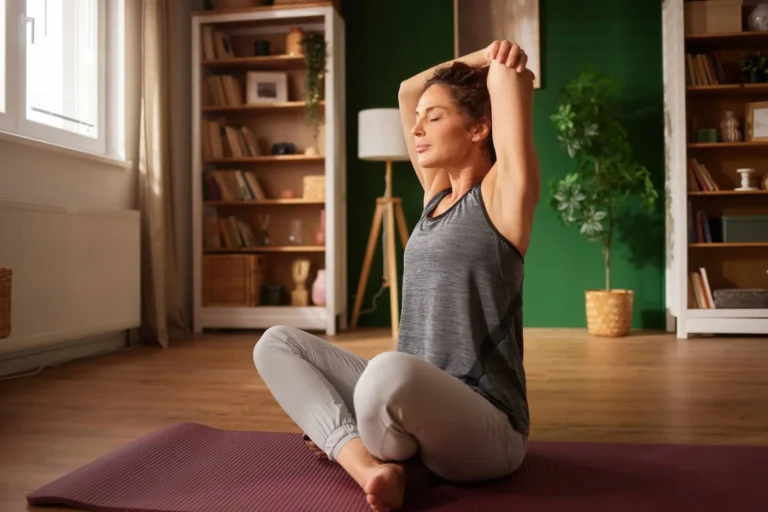
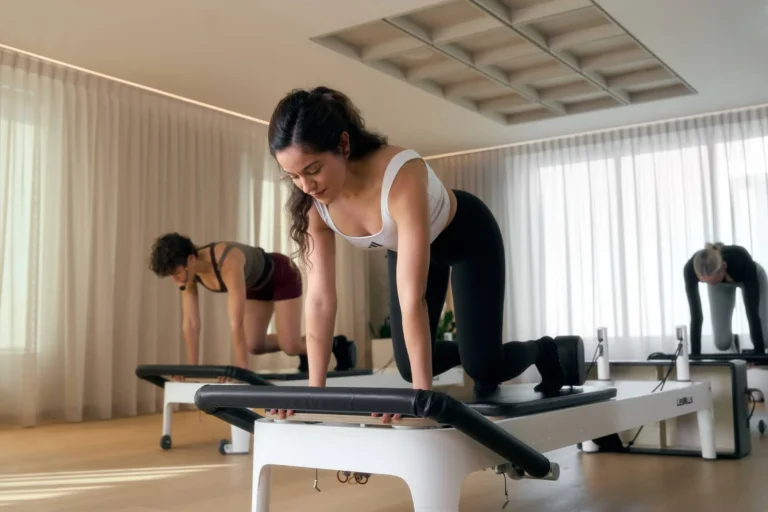
McLachlan recommends switching to lower-intensity sessions when the temperature rises. Yoga, Pilates and barre can all deliver a full-body workout without the joint-thumping punishment of high-impact exercise.
These sessions are especially useful during a heatwave because they focus on strength, control, mobility and alignment rather than simply trying to send your heart rate into orbit. Lower-impact strength-based workouts are also less likely to push body temperature up in the same way as a fierce HIIT class.
And, mercifully, many studios — including East of Eden — now offer air-conditioned spaces, which means you can keep moving without feeling as though you have accidentally enrolled in a fitness class inside a toaster.
Train Early Or Late, Not At High Noon
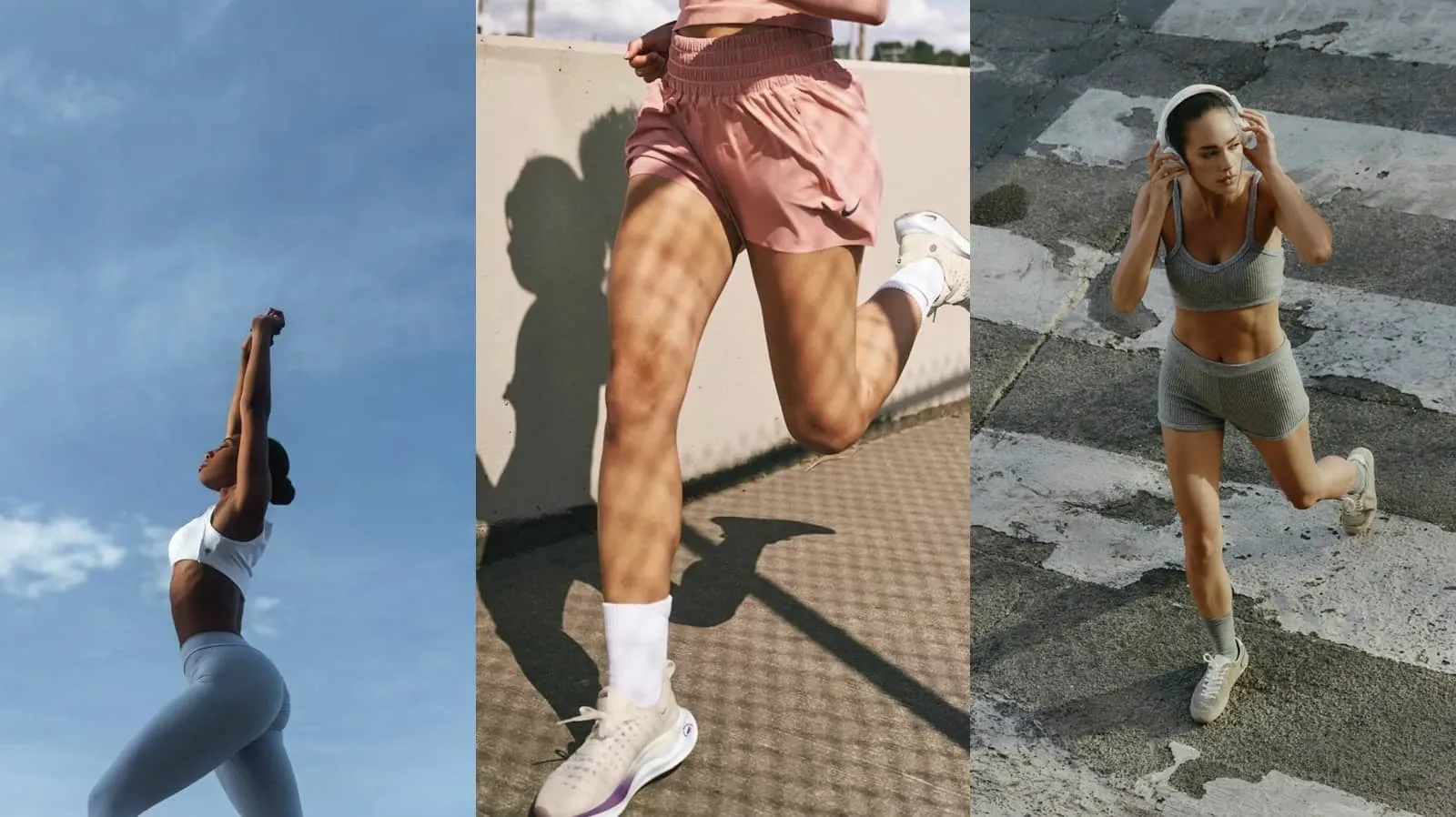
There is brave, and then there is trying to exercise outdoors between 11 am and 3 pm during a heatwave. That second one is less brave and more a cry for help.
McLachlan advises avoiding the part of the day when the sun is at its strongest. Early morning and later evening are generally kinder windows for training, before the heat has fully gathered itself or after it has started to loosen its grip.
This is particularly important for runners, cyclists, outdoor bootcamp devotees and anyone who has ever looked at a weather warning and thought, “I’ll probably be fine.” The sun has heard that sentence before. It remains unimpressed.
Wear Light, Breathable Kit
Your clothing can either help you cool down or make the whole affair feel like a regrettable camping experiment.
McLachlan recommends light, breathable fabrics that allow sweat to escape and help the body stay cool. Loose-fitting clothing is usually a better choice in hot weather than heavy, clingy kit, which can trap heat and push body temperature higher.
The aim is not to win a fashion award in the park. It is to give your body a fighting chance. Think breathable tops, lightweight shorts or leggings, and gear that does not make you feel as though you are being shrink-wrapped by mile two.
Hydrate Before, During And After Exercise
Hydration is not the glamorous bit of fitness, but in a heatwave it is the bit that may keep the wheels from coming off entirely.
McLachlan advises drinking fluids regularly during exercise and throughout the day. She also points to urine colour as a simple hydration clue: the paler it is, the better hydrated you are likely to be.
In hot weather, dehydration can creep up quickly, particularly if you are sweating more than usual. Drinking enough water can also help lower body temperature, with McLachlan suggesting up to three litres across the day.
The key word here is regularly. Do not wait until you feel like a houseplant left on a windowsill. Sip consistently, especially if you are training, commuting, travelling or spending long periods outdoors.
Use Nature, But Respect The Conditions
A warm spell can be a brilliant excuse to get outside, provided you choose your setting with care. McLachlan recommends shaded areas and green spaces, which offer a more pleasant environment than pounding along exposed pavements under a blazing sun.
Outdoor exercise can also bring mental health benefits. It is free, sociable and often more varied than the perfectly flat, predictable terrain of a gym or studio. Grass, paths and gentle inclines all ask slightly different questions of the body.
But again, common sense must be allowed into the room. Shade matters. Pace matters. Timing matters. A leafy park in the evening is one thing. A lung-bursting session on scorched concrete at noon is quite another.
Know Your Limits And Stop When Something Feels Wrong
This is the tip that matters most, because ambition is wonderful until it starts arguing with biology.
McLachlan says you should stop and rest if you experience symptoms such as headache, dizziness, confusion, sickness or fatigue. These are not badges of honour. They are messages from your body, and they should not be ignored.
Exercise during a heatwave should be modified, not muscled through. That might mean cutting a session short, lowering intensity, moving indoors, choosing Pilates over intervals or taking an extra rest day.
There is no medal for finishing a workout that your body was clearly asking you to abandon. Fitness is supposed to build you up, not leave you seeing stars beside a bench.
The Sensible Summer Fitness Rule
The smartest way to exercise safely during a heatwave is to stop treating every workout as a test of grit. Train earlier or later, favour low-impact sessions, wear breathable clothing, drink regularly, use shaded green spaces and know when to call it.
A heatwave does not mean you have to surrender your fitness routine. It simply means your routine has to grow a brain. Move well, stay cool and leave the midday heroics to people with more confidence than judgement.