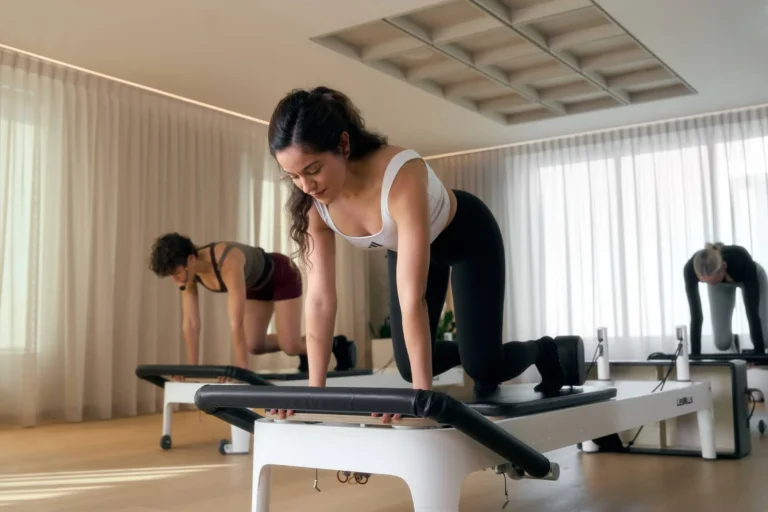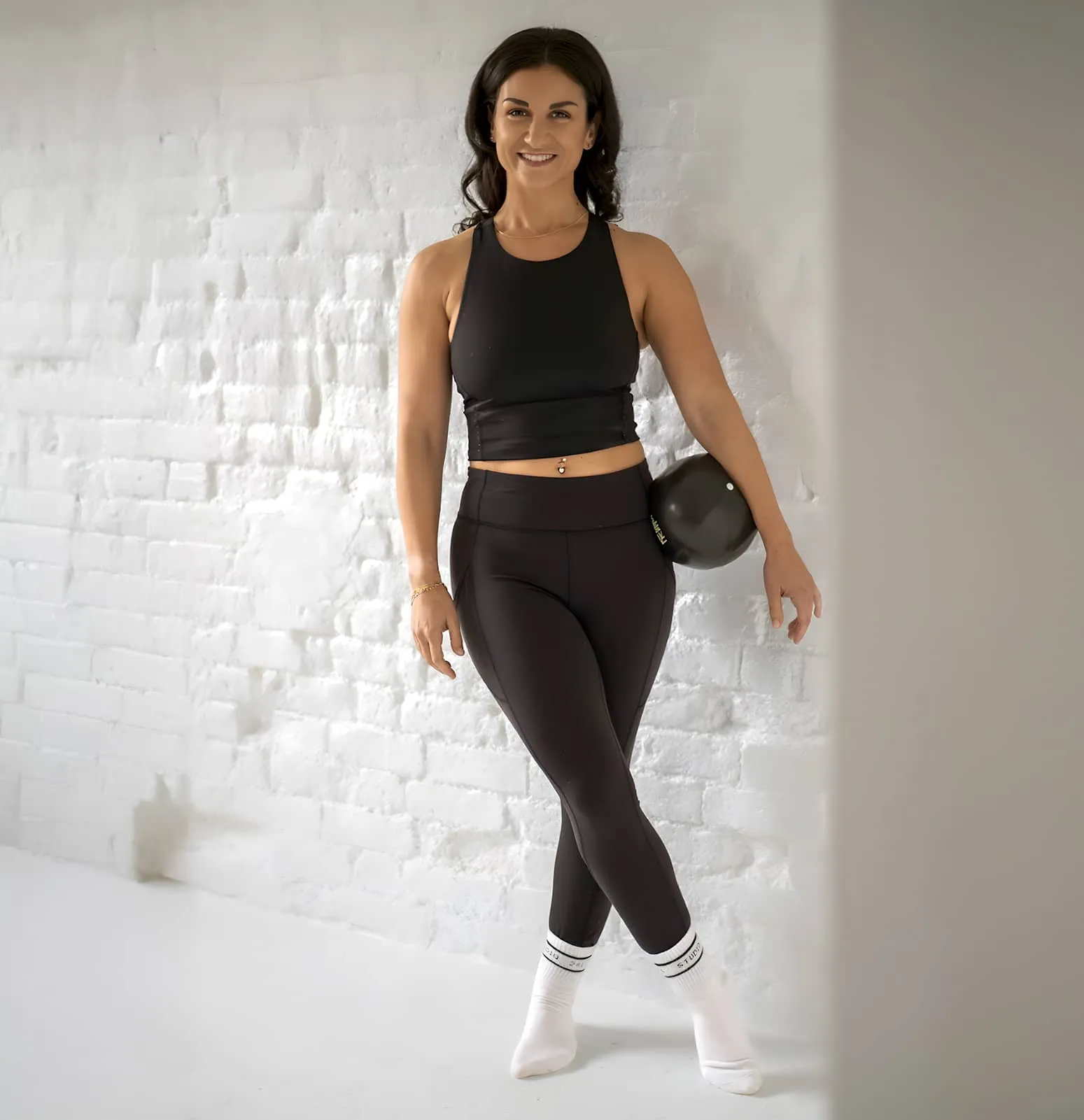
Pilates expert Georgia Testa explains six summer workout personalities and how to train smarter without injury, burnout or September regret.
There are few faster ways to discover what your workout says about you than watching how your fitness routine behaves once summer arrives. Some people become dawn-patrolling athletes before the kettle has boiled. Others quietly abandon all movement until September, as though dumbbells migrate for the season.
Summer has a habit of exposing the truth. Heat, holidays, barbecues, late nights, tennis courts, long walks and the occasional heroic attempt at paddleboarding all interfere with the neat little exercise plan we imagined back in spring.
According to Pilates instructor and Studio 281 founder Georgia Testa, the problem is not always that people move too little. More often, it is that they move in ways their bodies have not been properly prepared for.
“Summer changes how we move, recover and exercise,” says Georgia. “We tend to train around holidays, social plans and the weather, rather than what our body actually needs. Recognising your ‘summer workout personality’can help you avoid common pitfalls like injury, fatigue and burnout.”
So, which summer fitness creature are you?

The 6 am Warrior
The 6 am Warrior is noble, terrifying and often in possession of a matching water bottle. Training early can be a sensible way to avoid the worst of the heat, but the body is not a golf buggy. It does not simply start because you turned the key.
“Body temperature is naturally lower first thing in the morning, meaning muscles, tendons and connective tissue are less pliable,” says Georgia. “People often roll out of bed and head straight into a run or strength session, but your nervous system and joints need time to switch on. Spending five to eight minutes mobilising your spine, hips, ankles and shoulders can improve movement quality, increase your range of motion and reduce your risk of injury.”
That short warm-up is not decorative. It is the difference between asking your body a polite question and hurling it into a tribunal.
Georgia recommends starting with dynamic movements such as cat-cows, hip openers, bodyweight squats and walking lunges before raising the intensity. In practical terms, that means earning the right to run, lift or lunge rather than charging out of bed like someone late for a fire drill.
The Sweat Chaser
This is the person who judges a session by whether they look as if they have been rescued from a canal. The trouble is that sweat is not a certificate of achievement. It is your body’s cooling system doing admin.
“Sweating is simply your body’s cooling mechanism. It tells you more about the temperature around you than the quality of your workout,” Georgia explains. “The adaptations that make you stronger come from challenging your muscles, moving with control and progressively increasing the demand over time – not from how soaked your clothes are afterwards.”
In summer, this matters. Hot weather can make an ordinary workout feel biblical, but feeling ruined is not the same as getting fitter.
Instead of turning every session into a punishment with extra burpees, sprints and existential regret, Georgia suggests slowing things down.
“Try taking three seconds to lower into a squat or lunge before standing back up. Increasing the time your muscles spend under tension builds strength, stability and control far more effectively than rushing through repetitions.”
It is less dramatic, certainly. But then, so is walking downstairs the next day without making a noise like a haunted wardrobe.
The Outdoor Optimist
The Outdoor Optimist sees sunshine and immediately replaces the gym with long walks, tennis, hiking, paddleboarding and any activity that allows them to say, “I’ve been outdoors all day,” with faint moral superiority.
All of that is good. More than good, in fact. Cardiovascular exercise, fresh air and varied movement are valuable parts of a summer fitness routine. But they are not a complete replacement for strength work.
“Cardiovascular exercise supports your heart and overall health, but resistance training is what maintains muscle mass, supports your joints and helps protect bone density,” says Georgia. “If you only swap the gym for walking all summer, you may notice aches and pains when you return because your body has lost some of the strength that supports good movement.”
The answer is not to abandon the joy of outdoor exercise. It is to keep a little structure in the week.
Two short strength sessions can be enough to hold the line. Squats, rows, push-ups and core work may not have the scenic appeal of a coastal hike, but they do make the hike feel better, particularly when there is a hill involved and nobody has told your quadriceps in advance.
The Weekend Warrior
The Weekend Warrior lives a sedentary Monday-to-Friday existence, then attempts to compress an entire training block into Saturday and Sunday. It is ambition with poor scheduling.
“The body adapts best to regular movement,” says Georgia. “When we spend five days sitting at a desk before asking our muscles, tendons and joints to suddenly cope with long runs, heavy lifting or high-intensity classes, they’re simply not conditioned for that level of demand.”
This is where many summer injuries are quietly born. Not in dramatic sporting glory, but somewhere between a stiff lower back, a heroic Saturday run and the belief that enthusiasm can replace preparation.
Georgia’s fix is simple: add movement before the weekend arrives.
“Even 10 to 15 minutes of mobility, Pilates or bodyweight strength exercises on your lunch break helps keep your joints moving well, your core engaged and your muscles prepared for more demanding sessions.”
Call them movement snacks if you like. They are the sensible little interventions that stop Saturday morning becoming a biomechanics complaint form.
The Holiday Quitter
The Holiday Quitter packs sun cream, linen shirts and the firm belief that all fitness progress expires at the departure gate.
The good news is that a week or two away from structured training is not a catastrophe. In many cases, the body may enjoy the break. The real issue is routine.
“One or two weeks without structured exercise won’t undo your fitness,” says Georgia. “What tends to disappear is the routine, and that’s often the hardest thing to rebuild when you’re home.”
That is a useful distinction. You are not suddenly unfit because you skipped the gym in favour of swimming, walking, sightseeing or sitting in a chair with a book and a mildly judgemental hat. The danger is returning home and finding your rhythm has wandered off with your boarding pass.
Instead of trying to recreate your usual programme on holiday, Georgia recommends keeping movement simple.
“A simple routine of squats, lunges, push-ups, planks and some spinal mobility work two or three times a week is enough to remind your body how to move. You’re maintaining strength, coordination and confidence—not chasing personal bests.”
That is the right mindset. No one needs to hit a lifetime bench press best between a buffet breakfast and a museum tour.
The September Restarter
The September Restarter is familiar to anyone who has ever said, “I’ll get back into it properly after summer,” then spent two months gently dissolving into iced coffee and good intentions.
Putting fitness on pause can feel harmless, especially when life gets busy. But the body prefers rhythm over theatrical comebacks.
“We often think exercise has to be all or nothing,” Georgia explains. “But your body responds much better to regular, manageable movement than long periods of inactivity followed by a sudden burst of motivation.”
That is the trap. September arrives, motivation flares, expectations climb and the body receives a workload it has not seen since June. It rarely sends a thank-you card.
Georgia’s advice is to lower the bar without dropping it entirely.
“If you usually exercise for an hour, do 25 minutes. If you normally train five times a week, aim for three. Consistency keeps your muscles active, your joints mobile and your routine intact, making it far easier to build momentum again after the summer.”
It is sensible, unglamorous and exactly the sort of advice most of us ignore until our hamstrings hold an intervention.
The Smarter Summer Fitness Rule
The most useful way to think about what your workout says about you is not as a personality quiz, but as a pattern. Summer does not ruin fitness. It reveals the weak points: poor warm-ups, erratic routines, overtraining, under-recovery and the enduring human fantasy that sweating more somehow makes us morally superior.
The better approach is not complicated. Warm up properly. Keep some strength training in the week. Move little and often. Do enough on holiday to preserve the habit. Avoid turning September into a punishment tour.
In other words, train like someone who would quite like to enjoy the summer and still be able to bend over in October. A modest ambition, perhaps, but a deeply underrated one.