Why 90 minutes of strength training a week may support healthier ageing, mobility and independence.
Strength training has earned another quietly useful tick in the health ledger, with a recent study finding that as little as 90 minutes a week may be linked to a lower risk of early death. That is not a sentence likely to make anyone leap joyfully towards a squat rack, but it does make the sofa look slightly less like a long-term strategy.
For years, resistance training has been treated by some as the preserve of the mirror-adjacent: biceps, barbells, protein shakers and men making noises usually reserved for minor industrial accidents.
But the better argument for strength work is far less vain and far more useful. It is about moving well, staying capable and keeping hold of the everyday freedoms most of us only notice when they start to wobble.
According to fitness experts from gym design brand BLK BOX, the real value of strength training sits well beyond muscle size. It is about building a body that can cope with life: stairs, shopping bags, garden furniture, grandchildren, golf clubs, airport luggage and the occasional hotel mattress with all the structural integrity of blancmange.
Strength Training Is Not Just About Muscle
Greg Bradley, founder of gym design brand BLK BOX, believes the reputation of strength training has lagged behind its usefulness.
“Many people associate strength training with building muscle or improving performance, but the reality is strength training benefits extend far beyond this. Regular resistance training can play a significant role in supporting long-term health, from maintaining movement quality to physical independence and confidence.
“Strength training isn’t about pursuing complex or extreme exercise; it’s about building a routine that can be maintained. The accessibility of strength training, with options of weighted and non-weighted workouts, makes it a more practical option for those with busy lives. This allows people to increasingly see the positive benefits it provides, because ultimately strength work can be performed from anywhere – home, the gym, or on holiday.”
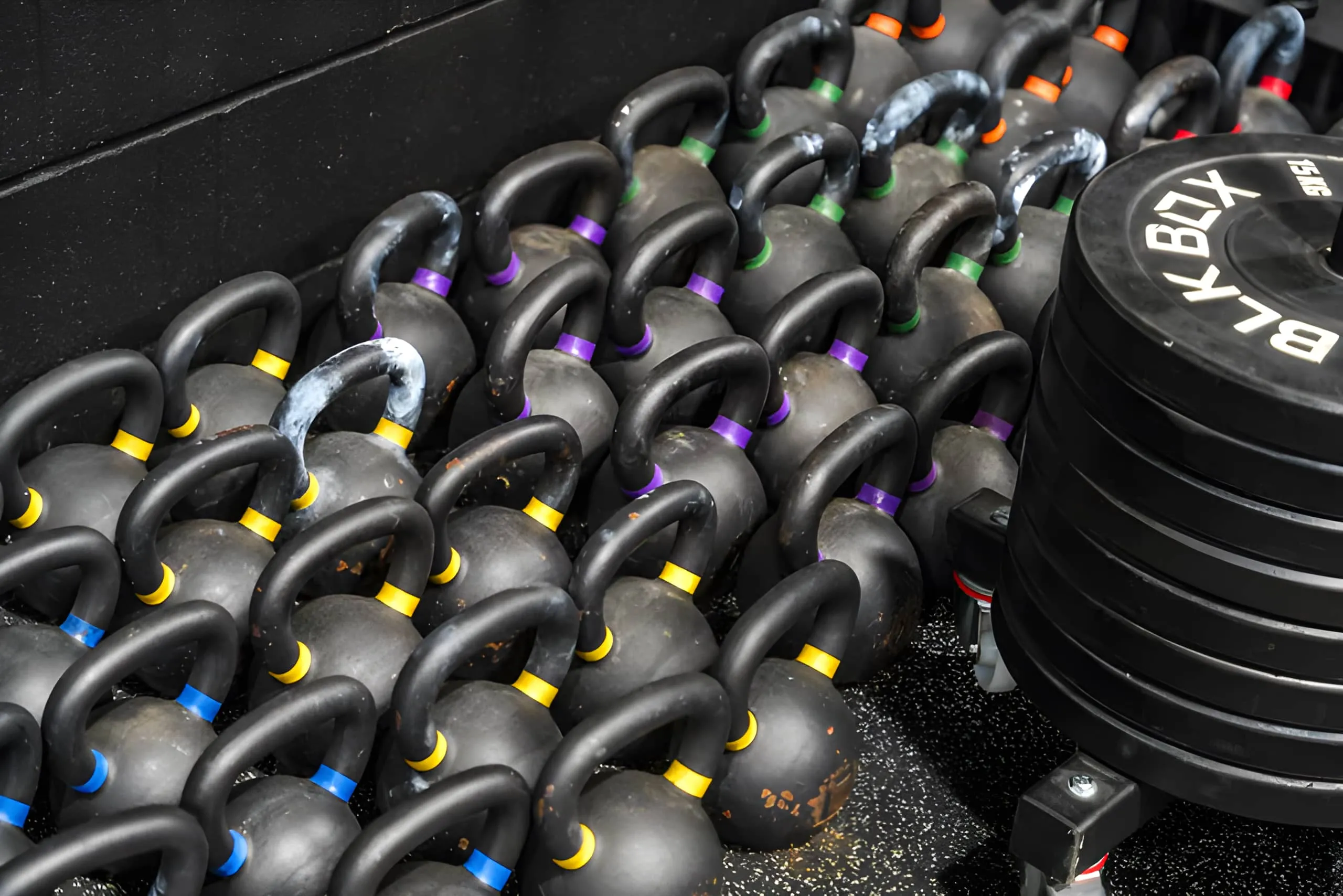
That last point matters. The fitness industry has a talent for making simple things look like a NASA launch sequence. Yet strength training can be brutally straightforward: bodyweight movements, dumbbells, resistance bands, machines, kettlebells or carefully programmed gym work. It does not require theatrical suffering. It requires consistency.
Why 90 Minutes A Week Feels Like The Important Number
The appeal of the 90-minute figure is that it sounds faintly possible. Not easy, necessarily, but possible. Three half-hour sessions. Two longer blocks. A short routine spread across the week. For busy adults, that matters more than another heroic plan destined to collapse by Thursday.
The broader fitness conversation often leans heavily towards cardio, step counts and endurance. All have their place. But resistance training brings a different sort of insurance policy. It helps maintain strength, supports movement quality and gives the body a better chance of handling the physical demands of ordinary life.
And ordinary life, it should be said, is where most of us actually compete. Not under floodlights. Not in Lycra with a timing chip. Usually somewhere between the car boot, the stairs and a badly packed suitcase.
The Ageing Argument: Less Drama, More Function
One of the strongest cases for strength training is its role in healthy ageing. Muscle and strength tend to decline as we get older, and that decline can quietly make daily life harder. The aim is not to turn everyone into a powerlifter. It is to keep people moving with confidence.
Bradley puts it plainly: “As we get older, we naturally lose muscle mass and strength, which can make everyday activities more challenging. Regular strength training can slow down this decline and help reduce some of the physical limitations commonly associated with ageing, resulting in a positive impact on your quality of life.”
This is where resistance training becomes less about the gym and more about dignity. Being able to rise from a chair, climb stairs, carry bags, walk steadily and stay active are not glamorous fitness goals. They are better than glamorous. They are useful.
Mobility Starts With Strength
Mobility is often discussed as though it lives entirely in the land of stretching mats and breathy instruction. But movement also depends on strength. Joints need support. Balance needs control. Everyday movement needs a body capable of producing and absorbing force.
Bradley says: “Strength training helps build resilience throughout the body, supporting joints, improving stability, and making daily tasks easier. Whether that is carrying shopping, walking up stairs, or getting up from a chair. How well we move is linked to long-term health.”
That connection between strength and mobility is especially important for people who do not see themselves as “gym people”. The point is not performance theatre. It is being able to do the normal stuff without a small internal negotiation every time gravity gets involved.
Independence May Be The Real Prize
The most persuasive benefit of strength training may also be the least flashy: independence. Fitness culture loves transformation pictures, but the more meaningful transformation may be the person who still feels capable, steady and self-sufficient years down the line.
Bradley adds: “One of the most overlooked benefits of strength training is its role in helping people remain independent. As we get older, we want to be able to move freely and do things for ourselves, but sometimes this isn’t possible. Maintaining strength can make everyday tasks easier, reduce reliance on others, and support confidence in daily life.”
That is the crux of it. Strength is not merely something to show. It is something to use. It is the difference between feeling robust and feeling fragile, between moving through the day with trust in your body and approaching every step like a board meeting with your knees.
Building A Routine That Actually Survives Real Life
The best strength training routine is not necessarily the most elaborate. It is the one that gets done. A sustainable plan might include weighted exercises in a gym, bodyweight work at home, resistance bands while travelling or a mix of all three.
For beginners, the sensible approach is to keep it manageable: learn the basic movement patterns, build gradually and avoid the peculiar temptation to behave on day one as though selection for the Olympic squad is imminent. Progress matters. So does being able to walk normally the next morning.
The useful movements are usually the unfashionable ones: squats, hinges, pushes, pulls, carries and controlled core work. They mimic the things life asks of the body. That may not sound glamorous, but glamour is overrated when your back behaves itself and the stairs stop looking like a hostile architectural feature.
A Better Way To Think About Fitness
The strongest argument for strength training is not that it will make you look different, although it may. It is that it may help you live differently: more confidently, more independently and with fewer physical limitations as the years pile up.
Ninety minutes a week is not a miracle. It is not a guarantee. It is not permission to treat the rest of life like a buffet with a chair attached. But as health habits go, it is practical, scalable and refreshingly unromantic.
And perhaps that is why it deserves attention. Strength training is not asking you to become someone else. It is simply asking you to keep hold of yourself for as long as possible.