Kim Cattrall turns 70 as experts challenge the old rules on long hair, blonde colour, grey roots and so-called age-appropriate styles.
Kim Cattrall turns 70 on 21 August, and if the old salon rulebook were still in force, this would apparently be the moment for a sensible crop, a discreet colour and a quiet retreat from anything described as glamorous.
Happily, Kim Cattrall reaches the milestone with that rulebook looking increasingly like something best left beneath a wobbly table leg. Her birthday is independently confirmed as 21 August 1956.
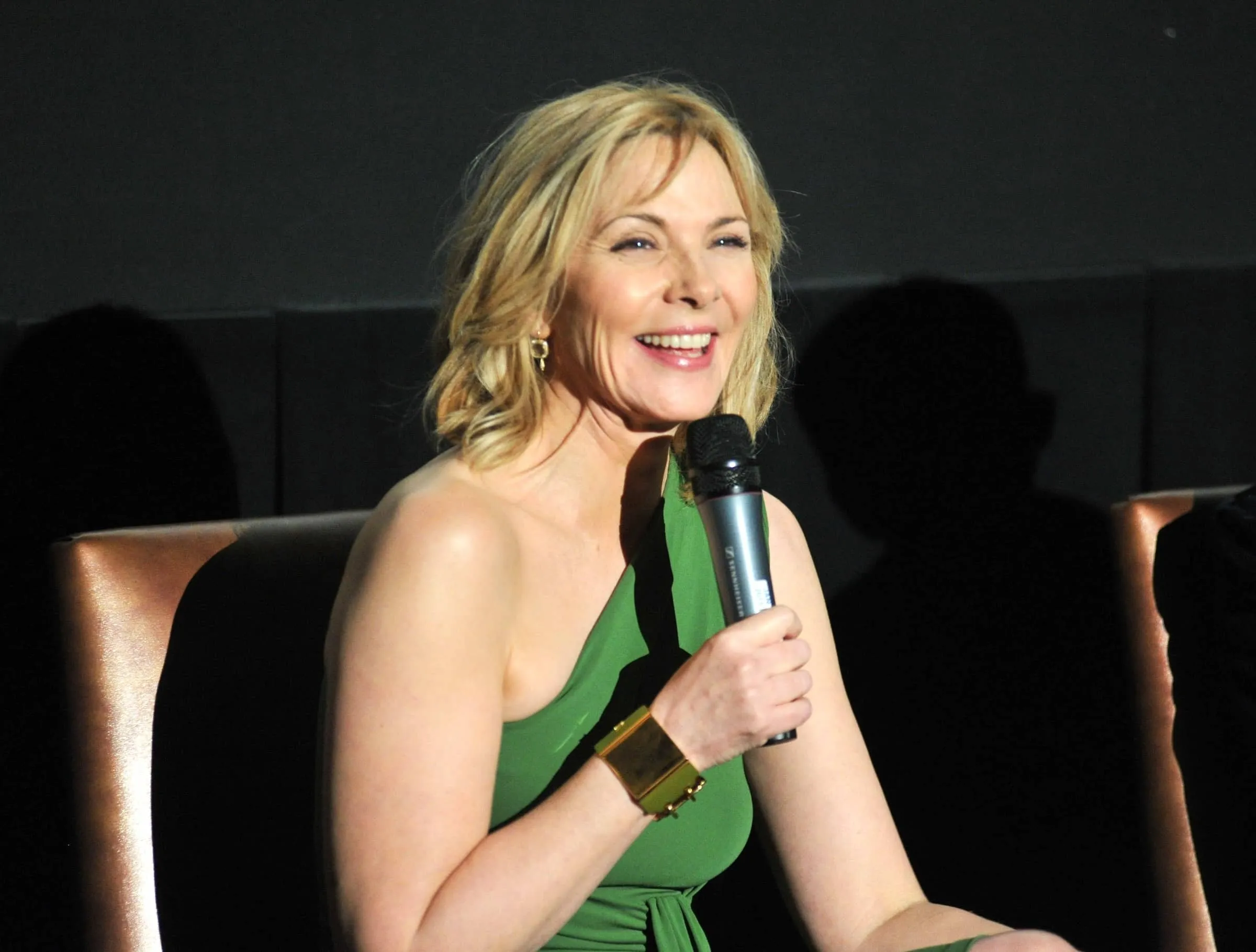
Earlier this year, Cattrall appeared at the RHS Chelsea Flower Show with a soft, layered shag: movement, face-framing pieces and no visible interest in behaving like a cautionary leaflet.
The argument around older women’s hair is shifting away from permission — may I keep it long, may I stay blonde, may I show the grey? — towards the far more useful question of what actually works.
Kim Cattrall’s birthday exposes an old beauty double standard
Danielle Louise, a hair and beauty expert at Fresha, says the assumption that age should automatically produce a more conservative haircut is still hanging around, despite having very little practical basis.
“There’s still this outdated idea that once a woman reaches a certain age, she should automatically cut her hair short or become much more conservative with her style,” says Danielle.
“There’s absolutely no rule that says long hair, blonde hair, big blow-dries or glamorous styles suddenly stop working because you’ve reached 60 or 70.
What does change is the hair itself. Density, texture, dryness and the way hair responds to colour and heat can all change over time, so the conversation should be about adapting how you care for and style your hair, not giving up the looks you love.”
That distinction matters. Age can alter hair; it does not issue styling instructions. Research on hair ageing has documented changes in diameter, density, pigmentation, lustre and texture over time. The sensible response is adaptation, not surrender.
Long hair after 60 is not a clerical error
The short-hair-after-50 commandment has survived because it is repeated with the confidence of an airport announcement. Yet length alone tells you very little about whether a haircut flatters. Condition, density, shape and maintenance matter rather more.
“A great haircut should be based on your hair condition, texture, density, face shape and lifestyle, not the year you were born.
For someone with longer hair, introducing layers, movement or face-framing pieces can completely transform the way it sits without sacrificing the length they’ve spent years growing.
If your hair has become finer, simply cutting it all off isn’t necessarily the answer either. The right shape can create the appearance of much more movement and volume.”
Cattrall’s current layered look is a useful illustration: the interest comes from shape and movement, not from obeying an arbitrary maximum length.
Blonde, grey and the tyranny of the colour chart
Colour advice for older women has traditionally arrived with an impressive number of prohibitions. Too blonde. Too dark. Too obvious. Too much fun, apparently.
Louise’s argument is more technical: adjust tone and dimension to suit the complexion and condition of the hair rather than abandoning a colour because a birthday has occurred.
“Hair colour should work with your complexion and the condition of your hair. That’s true whether you’re 25 or 70.
As we get older, skin tone and natural hair colour can change, so a colour that worked perfectly 20 years ago might benefit from being adjusted. That could mean introducing more dimension, changing the warmth or using highlights rather than one block colour.
It doesn’t mean you suddenly have to become brunette, blonde or grey because somebody has decided that’s what’s appropriate for your age.”
Grey, meanwhile, is no longer an all-or-nothing decision. “Grey blending can be a brilliant middle ground for someone who doesn’t want the maintenance of constantly covering their roots but isn’t ready to completely grow out their colour.
A colourist can use highlights, lowlights and toners to soften the transition, so the grey becomes part of the finished colour rather than something you’re constantly trying to hide.”
For finer hair, volume can matter more than length
Hair density can decrease with age, and hormonal changes around menopause may also affect density, calibre and texture. That makes technique more useful than panic: strategic layers, lighter products and less punishing heat can help preserve the appearance of movement.
“As hair becomes finer, heavy products can weigh it down very quickly. Lightweight styling products, strategic layers and a good blow-dry can create much more movement.
Scalp health is also becoming a bigger part of the conversation. Looking after the scalp, avoiding excessive tension and reducing unnecessary heat can all support healthier-looking hair over time.”
There is one sensible boundary between beauty advice and healthcare. Noticeable or progressive thinning can have medical causes and deserves proper assessment; a blow-dry, however accomplished, is not a dermatologist.
Healthy hair is replacing the obsession with looking younger
Perhaps the more interesting change is linguistic. “Younger-looking” hair assumes that age itself is the defect to be corrected. “Healthier-looking” hair asks better questions: does it have shine, movement, manageable texture and a cut that suits the person wearing it?
“Women aren’t necessarily walking into salons saying, ‘Make me look younger.’ They’re much more likely to want their hair to look thicker, shinier, healthier or easier to manage.
That’s an important distinction because trying to look younger suggests there’s something wrong with looking your age.
Healthy hair doesn’t have an age limit. Shine, movement, a flattering cut and a colour you love can look fantastic at 30, 50 or 70.”
That is a considerably more adult proposition than spending half a lifetime trying to impersonate the previous decade.
The hair rules worth retiring at 70
Cattrall’s birthday makes an effective peg because celebrity style is often treated as cultural weather: not always important, but surprisingly revealing.
At 70, the more interesting question is not whether a woman can “still” wear long, blonde, layered or glamorous hair. It is why anyone thought she needed permission.
“Cut your hair short after 50. Don’t wear it too long. Don’t go too blonde. Don’t wear dramatic styles. Cover every grey. These aren’t rules; they’re preferences that have been presented to women as rules for decades.
“Kim Cattrall turning 70 is a good reminder of why that thinking feels increasingly dated.
“The best hairstyle at any age is one that works with the hair you have now, makes you feel good and can realistically be maintained. Your birthday shouldn’t dictate what happens in the salon chair.”
Quite. A birthday may dictate the candles. It need not dictate the haircut.