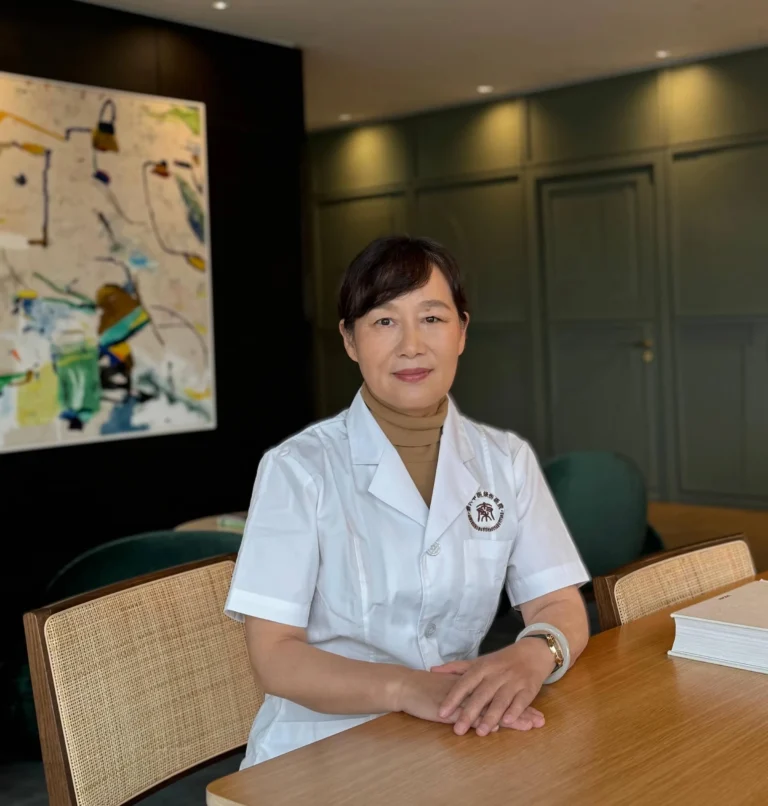
Yimei Qin explains how acupuncture may support appetite, sleep, stress and digestion — without pretending it is a miracle route to weight loss.
Yimei Qin has spent more than 30 years practising Traditional Chinese Medicine, which is long enough to recognise both the value of patient hope and the danger of feeding it nonsense.
Based at Qin’s Clinic at 22 Harley Street, the acupuncturist approaches weight management without the customary fireworks: no guaranteed kilograms, no claim that needles burn fat and no invitation to abandon nutrition, exercise or medical care.
That restraint is rather more interesting than another miracle claim.
Weight management has become an increasingly medicalised subject, driven partly by the rapid adoption of GLP-1 medications and a broader understanding of appetite regulation. Yet the everyday factors surrounding weight gain — poor sleep, chronic stress, hormonal change, emotional eating, digestive symptoms and fatigue — have hardly packed their bags and left.
Qin argues that acupuncture may provide support in some of these areas. She does not present it as a direct substitute for established weight-management measures, nor as an alternative to medical investigation where symptoms suggest an underlying condition.
During our conversation, Qin explained how she assesses patients, which outcomes she monitors, when treatment should be reconsidered and where the boundary between complementary therapy and conventional medicine must remain firmly drawn.
The result is a more nuanced proposition than the familiar fantasy of losing weight while lying perfectly still. It is also less likely to fit on a billboard.
Editor’s note: This interview describes the practitioner’s clinical approach and opinions. Acupuncture should not replace appropriate medical diagnosis, prescribed treatment, balanced nutrition or physical activity. Anyone experiencing unexplained weight change or other concerning symptoms should consult a qualified medical professional.
Acupuncture and realistic weight-loss expectations
1. When a patient asks whether acupuncture can help them lose weight, how do you explain what it can and cannot realistically achieve?
Yimei Qin: I always begin by explaining that acupuncture is not a quick fix for weight loss. It does not directly burn fat, nor can it replace a balanced diet, regular physical activity, adequate sleep or any necessary medical treatment.
Nonetheless, in clinical practice, excess weight is often about much more than simply eating too much. Some people could have been living with poor sleep, chronic stress or emotional eating for many years, while others struggle with bloating, constipation, fatigue or reduced digestive function. For many women, weight gain may begin during menopause, after pregnancy or following other hormonal changes.
Under such circumstances, the role of acupuncture is to help restore the body’s natural regulatory functions. It may help improve sleep, reduce stress, regulate appetite, lessen emotional eating, and support healthy digestion and bowel function. As these underlying issues begin to improve, patients would often then find it easier to adopt and maintain healthier lifestyle habits.
As such, I see acupuncture as a supportive therapy within a comprehensive weight management plan, rather than as a stand-alone “miracle cure” that guarantees weight loss.
2. Do you regard acupuncture as a treatment that directly causes weight loss, or primarily as a complementary therapy that may help address factors such as appetite, cravings, stress, sleep and eating behaviour?
Yimei Qin: I tend to perceive acupuncture primarily as a holistic, supportive treatment. A wide variety of factors may influence body weight, including diet, physical activity, sleep, stress, emotional wellbeing, hormones, metabolic health, genetics, and, in some cases, underlying medical conditions or prescribed medications.
Rather than contributing to direct weight loss, acupuncture aims to address some of the potential factors that may contribute to weight gain or render it more challenging for someone to lose weight.
For example, some patients sleep better after treatment and no longer find themselves eating late at night. Others feel calmer emotionally and notice they are less likely to eat in response to stress or anxiety. Some experience improvements in digestion and bowel function and simply feel less heavy and fatigued than before.
As these pre-existing issues gradually improve, weight loss often becomes more natural and easier to maintain over the long term.
3. Is there a realistic amount of weight that a patient might expect to lose with acupuncture, or would you avoid setting a specific target?
Yimei Qin: I don’t usually promise that a patient will lose a certain number of kilograms, as individuals differ in terms of age, constitution, lifestyle, existing medical conditions and metabolic health.
In practice, many patients report that after a period of treatment they feel significantly lighter, note increased mobility, and find that their clothes fit more loosely—sometimes even dropping a clothing size—yet when they step on the scales, they may have lost only a few kilograms.
That does not, however, mean that the treatment hasn’t been effective. Fat tissue is less dense than muscle, so the same weight of fat occupies a greater volume. As a result, changes in body shape and waist measurements are not always linked to dramatic changes on the scales.
At the same time, I would not simply suggest that acupuncture selectively burns fat, for changes in body weight and body composition are also influenced by numerous factors, including nutrition, exercise, muscle mass, fluid balance and overall metabolic health.
For this reason, I do not treat numbers on the scale as the only marker for weight management. I also look at changes in waist circumference, clothing size, how light and energetic the patient feels, their sleep, appetite, digestion, bowel habits and their overall health and wellbeing.
For me, the most meaningful outcome is not as simple as the number of kilograms someone has lost. It is whether they are healthier, feel lighter and more energetic, and capable of maintaining those improvements over the long term.
Appetite, cravings and emotional eating
4. In your clinical experience, can acupuncture help reduce excessive hunger, food cravings or emotional eating? How do you assess whether any improvement is genuinely connected to treatment?
Yimei Qin: In clinical practice, some patients do report that after a course of acupuncture they no longer feel hungry as frequently, experience fewer cravings for sweet foods, snacks or other high-calorie foods, and are less likely to turn to food when they feel stressed or emotionally overwhelmed.
Regardless, I do not assess the effectiveness of treatment on the basis of a single subjective impression. Instead, I look for consistent changes over time.
For example, I consider whether the patient:
- snacks less frequently or no longer eats late at night;
- experiences fewer episodes of overeating or binge eating;
- finds it easier to recognise a normal sense of fullness;
- is less likely to eat in response to anxiety, stress or low mood;
- notices improvements in both sleep and emotional wellbeing; and
- has developed more regular eating habits.
It is only when these improvements are sustained and correspond with the course of treatment that we can reasonably conclude that acupuncture may have made a meaningful contribution.
5. You describe appetite as a signal rather than an enemy. What might persistent hunger or cravings be communicating from a Traditional Chinese Medicine perspective?
Yimei Qin: I’ve always believed that appetite itself is not the enemy. The more important question is why the body continues to send signals telling us to eat.
From the perspective of Traditional Chinese Medicine (TCM), persistent hunger, food cravings and emotional eating may be associated with several underlying patterns, including impaired Spleen and Stomach function, stagnation of Liver Qi, inadequate sleep, chronic stress, fatigue and hormonal changes.
For instance, some people may often feel hungry throughout the day, yet they also experience bloating or drowsiness following meals. In TCM, this suggests that although food is being consumed, the body may not be digesting and utilising it as efficiently as it should.
On the other hand, some individuals may not feel actual hunger, but instead find themselves reaching for food in response to stress, loneliness, anxiety or exhaustion, using it as a source of temporary comfort.
For that reason, the aim of TCM treatment is not merely to suppress appetite. Rather, we seek to understand why the body is repeatedly sending these signals and then address the underlying imbalance according to each individual’s overall condition.
6. Are there particular patterns you commonly observe among patients with weight concerns, such as disrupted sleep, digestive symptoms, chronic stress, fatigue or hormonal changes?
Yimei Qin: In clinical practice, weight concerns rarely exist in isolation. Individuals often present with the following:
- Poor sleep or frequent waking during the night;
- Chronic stress, anxiety or emotional fluctuations;
- Bloating, belching or indigestion after meals;
- Constipation or irregular bowel habits;
- Persistent fatigue or low energy levels;
- A frequent sensation of heaviness in the body;
- Menopause or perimenopausal changes;
- Irregular menstrual cycles;
- Polycystic ovary syndrome (PCOS);
- Insulin resistance;
- Thyroid disorders; or
- Long-term use of medications that may contribute to weight gain.
For that, I don’t solely ask patients questions regarding their weight or diet. I also seek to learn more about their sleep, digestive health, emotional wellbeing, hormonal health, bowel function and lifestyle, as these factors often provide important clues to the underlying cause of their weight concerns.
Knowing when medical investigation comes first
7. How do you distinguish between symptoms that may be approached through Traditional Chinese Medicine and those that require further investigation by a GP, endocrinologist or other medical specialist?
Yimei Qin: Patient safety always comes first. If someone experiences unexplained rapid weight gain or weight loss, or presents with symptoms such as marked fatigue, palpitations, excessive thirst, frequent urination, significant menstrual changes, persistent swelling, muscle weakness or severe psychological symptoms, I would advise them to undergo appropriate medical assessment before beginning or continuing TCM treatment.
Likewise, if I suspect any of the following conditions, I would recommend referral or collaborative management with the appropriate healthcare professional:
- Diabetes;
- Thyroid disease;
- Cushing’s syndrome;
- Significant endocrine disorders;
- Moderate to severe depression or anxiety;
- Eating disorders, including binge eating disorder or anorexia nervosa;
- Unexplained rapid weight gain;
- Severe obstructive sleep apnoea; or
- Weight changes related to prescribed medication.
TCM can play an invaluable supportive role, but it should not replace appropriate medical investigation and diagnosis where required.
What treatment looks like in practice
8. What happens during an initial consultation with someone seeking acupuncture for weight management?
Yimei Qin: The initial consultation is a comprehensive assessment. In addition to recording a patient’s weight and waist circumference, we take time to discuss the following:
- When the weight gain first began;
- Previous attempts at weight loss and what has or hasn’t worked;
- Eating habits and meal patterns;
- Whether they experience excessive hunger, food cravings or episodes of overeating;
- Late-night eating or emotional eating;
- Sleep quality;
- Sources of stress at work and in daily life;
- Digestive health and bowel habits;
- Menstrual history and hormonal changes, where relevant;
- Previous medical conditions;
- Current prescription medications, supplements and herbal products; and
- Levels of physical activity and exercise.
In TCM, the consultation also includes examination of the tongue and pulse, together with an assessment of the patient’s overall presentation, allowing us to identify the individual’s underlying pattern of imbalance that is associated with their symptoms.
My objective is not simply to determine whether someone is overweight but to understand why the weight gain has occurred and what factors may be preventing that person from regaining good health.
9. Is there a standard set of acupuncture points used for weight loss, or is every treatment individually designed? Do you use body acupuncture, ear acupuncture or a combination of both?
Yimei Qin: There is not one standard set of acupuncture points suitable for everyone. One of the fundamental principles of TCM is that treatment should be tailored to the individual.
Two patients may have the same body weight, yet the underlying causes of their weight concerns can be entirely different.
For one person, the main issues may be chronic stress, poor sleep and emotional eating. For another, digestive symptoms such as bloating, constipation, fatigue and reduced digestive function may be more significant.
For some women, hormonal changes associated with the perimenopause, menopause or the menstrual cycle may play a much greater role.
For that reason, treatment plans must be individualised. Depending on the patient’s presentation, treatment may involve body acupuncture, ear acupuncture, or a combination of both. Additional therapies, such as auricular acupressure, moxibustion or Chinese herbal medicine, may also be recommended where appropriate.
10. How many sessions would a patient typically have before you review whether the treatment is helping?
Yimei Qin: In most cases, I would carry out a more systematic assessment after four to six treatment sessions.
Interestingly, the earliest improvements are often not seen on the scales. Patients may first notice that they are sleeping better, experiencing less bloating, having more regular bowel movements, feeling steadier in their appetite, feeling lighter physically, or noticing improvements in mood and emotional wellbeing.
These early changes often indicate that the body is beginning to respond to the treatment.
Conversely, if after four to six sessions there has been no meaningful improvement in appetite, sleep, digestion, stress levels, body composition or overall wellbeing, I will reassess my clinical reasoning and discuss with the patient whether the treatment approach should be modified.
Measuring progress and recognising when to stop
11. What outcomes do you monitor: weight, waist circumference, appetite, cravings, sleep, digestion, stress levels or other measures?
Yimei Qin: Body weight is only one of the measures. It is certainly not the only one.
Throughout treatment, I routinely monitor:
- Body weight;
- Waist and abdominal circumference;
- Changes in clothing size and fit;
- Whether the patient feels lighter;
- Appetite and sense of fullness;
- Cravings for sweet foods and snacks;
- The frequency of binge eating or late-night eating;
- Sleep quality;
- Digestion and abdominal bloating;
- Bowel habits;
- Energy levels and fatigue;
- Stress and emotional wellbeing;
- Day-to-day physical functioning; and
- Overall quality of life.
Very often, improvements in waist measurements, body shape, clothing fit, sleep and energy occur before any significant change in body weight. Clinically, these are equally meaningful indicators of progress.
12. At what point would you advise a patient that acupuncture does not appear to be producing a meaningful benefit?
Yimei Qin: If, after an appropriate course of treatment, a patient has experienced no meaningful improvement in appetite, sleep, emotional wellbeing, digestion, body measurements, sense of physical wellbeing or overall quality of life, I would discuss this openly and honestly with them.
At that point, it is important to reconsider whether there may be an undiagnosed underlying medical condition, lifestyle factor or medication contributing to their symptoms.
I may also recommend further medical examinations or suggest alternative treatment approaches that may be potentially more appropriate.
Treatment should never continue indefinitely simply because it has already begun. It should always be guided by whether it is providing genuine clinical benefit.
13. Do patients still need to make changes to their nutrition, physical activity and wider lifestyle while receiving acupuncture?
Yimei Qin: Absolutely. Acupuncture is not a substitute for a healthy diet or regular physical activity. However, it may facilitate those changes.
For instance, when patients begin sleeping better, feel less anxious, have a steadier appetite and experience improvements in digestion, they often find it easier to make healthier food choices and have more energy to be physically active.
A supportive role, not a starring one
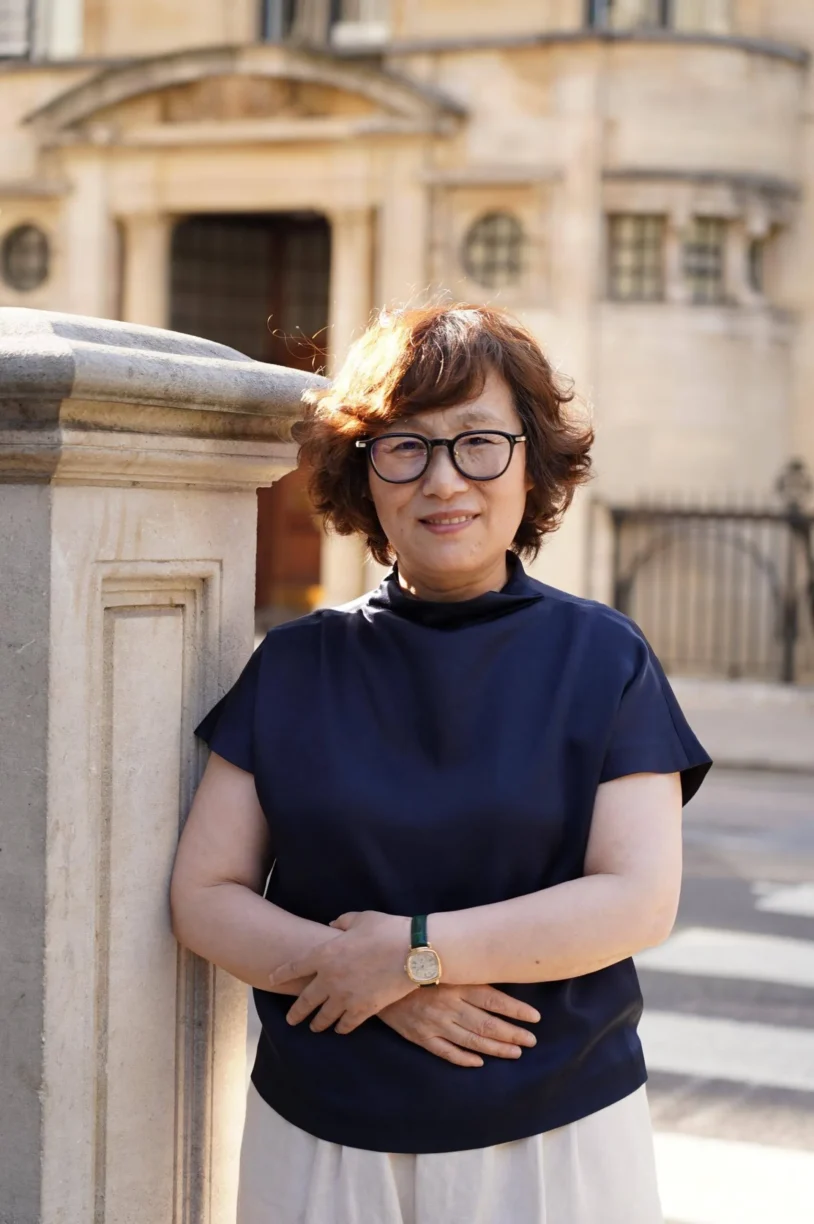
Qin’s account does not rest on the notion that acupuncture causes weight to vanish directly. Her position is narrower: treatment may help some patients address sleep disruption, stress, appetite, emotional eating, digestive discomfort and other factors that make sustainable behaviour change difficult.
The qualification is important. Reports of feeling calmer, sleeping better or experiencing fewer cravings can be meaningful to a patient, but they do not establish that acupuncture alone caused a change in body weight. Nor should improvements in clothing fit or subjective wellbeing be used to sidestep the absence of objective progress.
Qin’s four-to-six-session review offers a practical checkpoint. Treatment should produce some discernible benefit, be reconsidered if it does not, and give way to medical investigation whenever symptoms suggest an underlying condition.
There is little glamour in such an answer, but plenty of common sense. Acupuncture occupies a supporting role here. Nutrition, physical activity, sleep and appropriate medical care remain resolutely above the title.
The needle, in other words, is not a magic wand. It may still have a part to play.