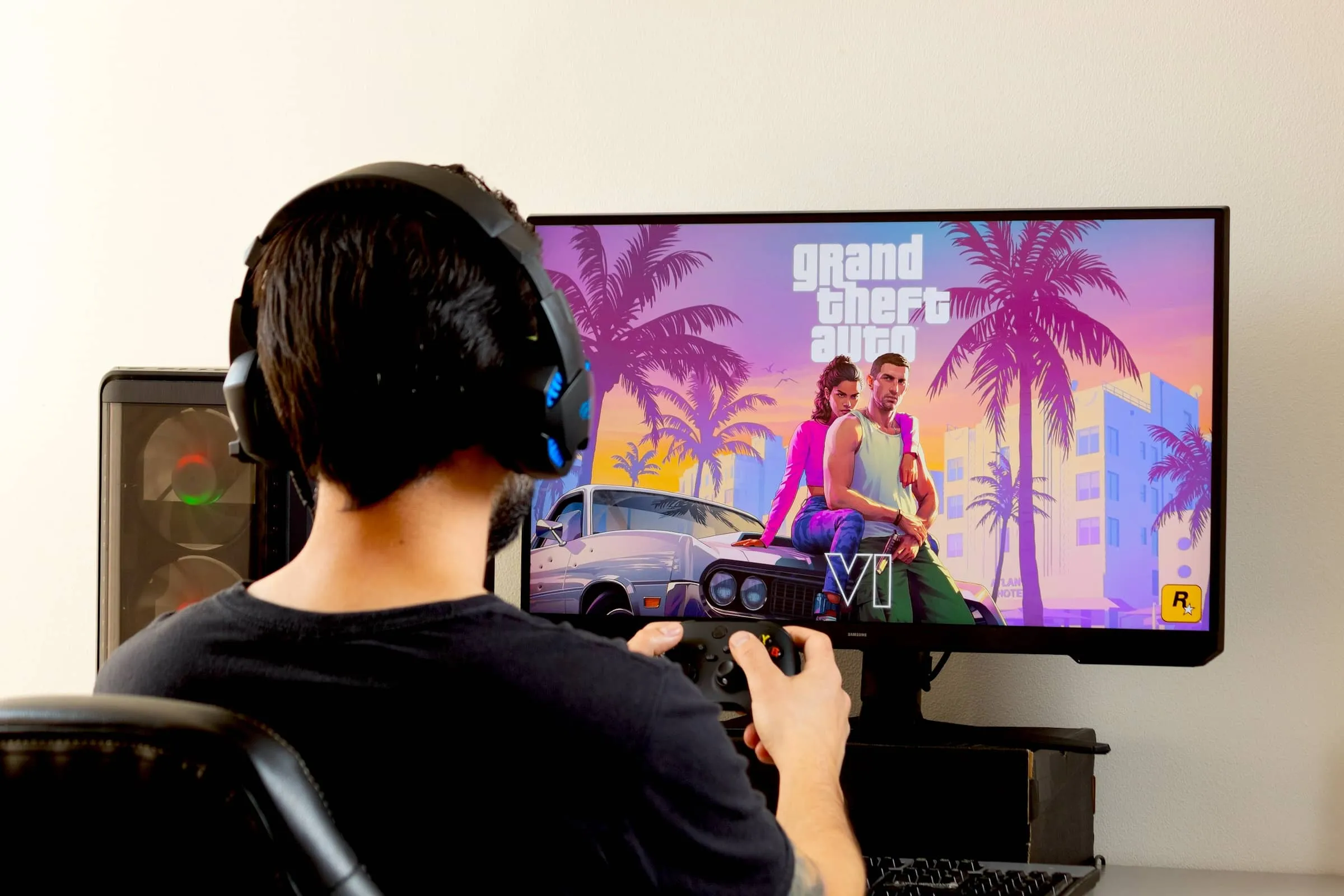
With Grand Theft Auto VI approaching its 19 November release, marathon gaming sessions are firmly on the agenda. A yoga and strength coach explains how five minutes of movement could make those longer sessions a little more comfortable.
The countdown to Grand Theft Auto VI is almost over, and somewhere across Britain, annual leave is being carefully allocated, snacks are being stockpiled and perfectly reasonable bedtimes are facing an uncertain future.
After 13 years since the release of GTA V, you can hardly blame anyone for wanting to spend a few uninterrupted hours exploring Rockstar’s latest offering.
There is, however, one part of the experience that deserves a little more attention. While your character is busy running, driving and generally causing trouble, you could spend most of the evening barely moving from the sofa.
Your thumbs might be getting a workout. The rest of you, rather less so.
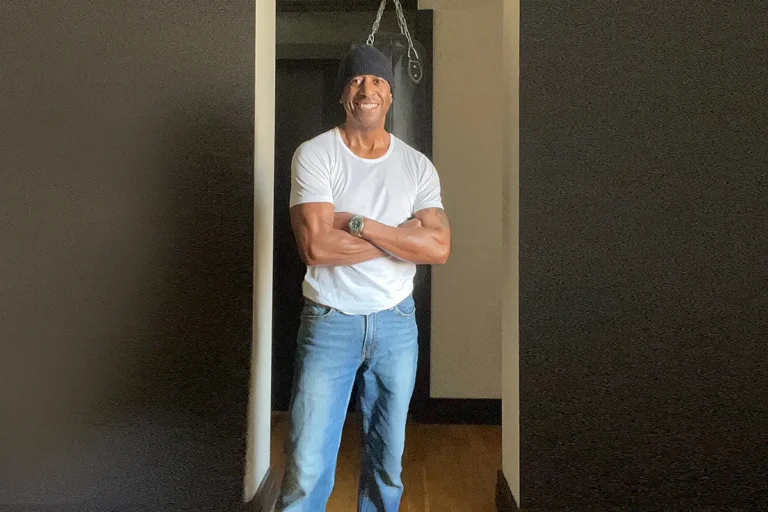
Melissa Leach, yoga instructor and strength and conditioning coach at Yoga-Go, believes a few simple movement breaks can help players manage the stiffness that comes with prolonged sitting. Better still, none of her suggested exercises requires a trip to the gym.
Why Your Gaming Breaks Should Involve More Than the Pause Button
It is easy to lose track of time when you’re absorbed in a game, particularly one you’ve been looking forward to for years.
But sitting in the same position for extended periods can leave your neck, shoulders, back and hips feeling uncomfortable. And while finding a supportive position matters, changing position regularly is also worth making part of the session.
Leach recommends interrupting long periods of sitting with gentle movement every 30 to 60 minutes.
“If you plan to spend long periods sitting down, the best way to avoid aches and pains is to introduce some movement every 30 to 60 minutes.
The aim isn’t to exercise, but to interrupt stillness, as even small movements can have a meaningful impact. These exercises wake up the joints, boost circulation, and reduce stiffness from prolonged sitting.”
The important distinction is that these breaks aren’t intended to replace a workout. They’re simply an opportunity to move joints and muscles that have been largely inactive while you’ve been concentrating on the screen.
Her five exercises take approximately five minutes altogether, with each movement lasting 45 to 60 seconds. Four can be performed standing, while the final exercise needs a little floor space.
Five Simple Exercises for Your Next Gaming Break
1. Marching on the Spot
Begin with something straightforward: stand up and march.
Leach recommends this gentle movement to get the lower body working, encourage hip movement and engage the muscles around your middle.
How to do it:
- Stand upright with your feet hip-width apart.
- Lightly engage your abdominal muscles and keep your chest lifted.
- Raise one knee towards your chest, then lower it.
- Alternate legs in a steady marching rhythm.
- Continue for 45–60 seconds, keeping your movements controlled.
There is no need to race through this one. Leach advises staying upright rather than leaning backwards, concentrating on controlled knee lifts and avoiding excessive side-to-side swaying.
2. Standing Cat-Cow
If you’ve spent the last hour leaning towards a screen, the next movement gives your spine an opportunity to move in a different direction.
Standing cat-cow involves gently alternating between arching and rounding your back.
How to do it:
- Stand with your feet hip-width apart and rest your hands on your thighs.
- Breathe in as you gently arch your back, lifting your chest and tailbone.
- Breathe out as you round your spine, bringing your chin and pelvis inwards.
- Move slowly between the two positions.
- Continue for 45–60 seconds.
The emphasis is on smooth, comfortable movement rather than seeing how far you can bend. Leach advises moving gradually through your spine without forcing the stretch.
3. Neck and Shoulder Rotations
Your neck and shoulders can become uncomfortable after a lengthy spell in one position, particularly if you’re leaning forwards or holding your upper body rigidly.
Gentle movements offer a chance to change that position and work through a comfortable range of motion.
How to do it:
- Stand upright and relax your shoulders.
- Slowly lower your chin towards your chest.
- Gently move your head from side to side or through small, comfortable circles.
- Roll your shoulders upwards, backwards and downwards.
- Continue gently for 45–60 seconds.
Leach’s advice is to avoid forcing the movements. If anything feels uncomfortable, reduce the range. You don’t need dramatic neck circles to make this a useful movement break.
4. Shoulder Blade Squeezes
After a while on the sofa or in a gaming chair, it can be tempting to let your shoulders roll forwards.
This exercise encourages controlled movement around the shoulder blades and engages muscles in the upper back.
How to do it:
- Stand upright with your arms relaxed at your sides.
- Gently draw your shoulder blades backwards and slightly downwards.
- Imagine trying to pinch them together without lifting your shoulders.
- Hold for 2–3 seconds, then release slowly.
- Repeat for 45–60 seconds.
“Keep your shoulders relaxed and away from your ears; focus on trying to squeeze your shoulder blades together without lifting.”
It’s a small movement, which is rather the point. No weights, equipment or elaborate preparation required.
5. Pelvic Tilts
The final exercise moves things down to the floor and focuses on gentle control through the pelvis, lower back and abdominal muscles.
Leach recommends pelvic tilts to help develop awareness and control of this area.
How to do it:
- Lie on your back with your knees bent and feet flat on the floor.
- Rest your hands on your hips or lower abdomen.
- Gently tilt your pelvis so that your lower back presses towards the floor.
- Hold briefly, then return to a neutral position.
- Complete 10–15 slow repetitions over 45–60 seconds.
Leach stresses that this should be a subtle movement rather than a forceful one. Try not to rely heavily on your glutes; concentrate instead on gently controlling the tilt through your abdominal muscles.
A Five-Minute Habit That Fits Around the Game
The appeal of Leach’s routine is its simplicity. You don’t need to change clothes, follow a demanding workout or sacrifice much playing time. You just need to recognise when you’ve been sitting still for too long.
A useful approach is to make a movement break part of your gaming session rather than something you only consider once discomfort has already arrived. Choose a natural stopping point, stand up and work through the exercises at a comfortable pace.
Of course, a short routine cannot guarantee freedom from aches and pains, and movements should never be forced through pain. Persistent or worsening discomfort deserves appropriate professional advice.
But if GTA VI is about to claim a substantial portion of your free time, giving your body a few minutes away from the action seems a reasonable compromise.
Vice City will still be there when you sit back down.