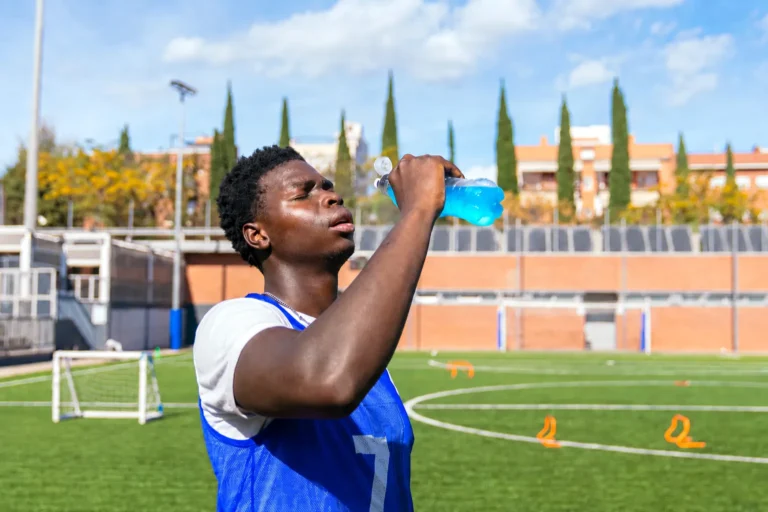
Sports drinks may fuel your workout, but repeated sipping could quietly damage teeth, gums and enamel.
Sports drinks have become a staple for many athletes and fitness enthusiasts during intense training sessions. However, few realise the significant effects these beverages can have on your teeth and gums.
Understanding the connection between sports drink consumption and dental wellbeing is essential for those aiming to support peak performance without compromising oral health.
Oral health involves more than just regular brushing and flossing; the beverages you choose during exercise contribute to your dental condition too. While sports drinks offer hydration and energy, their specific ingredients may have consequences for teeth and gum health that are not always obvious.
Balancing the benefits of performance drinks with responsible oral care is therefore important for active individuals. For those mindful of maintaining dental wellbeing, dentist abergavenny recommendations frequently highlight the importance of beverage selection to help protect enamel and avoid oral health problems.
Why hydration choices matter during workouts
Many people turn to sports drinks for a combination of fluids, carbohydrates, and electrolytes, especially during endurance or high-intensity training. The quick energy boost and hydration support are attractive for runners, cyclists, and gym-goers who are focused on sustaining their performance.
However, during exercise your oral environment changes. Dehydration and heavy breathing can lead to reduced saliva flow in the mouth. Saliva is essential as it neutralises acids and defends against tooth decay by protecting the enamel. Without adequate saliva production, the risk of enamel erosion and decay increases when consuming acidic or sugary drinks. This makes your choice of beverage a key factor in maintaining both athletic and dental health.
Ingredients in sports drinks and their dental effects
Sports drinks usually contain sugars, acids, electrolytes, and flavourings, each of which has an effect on dental tissues. Sugars are a readily available source of energy but can feed bacteria that produce acids, accelerating tooth decay. The presence of acids such as citric acid lowers the mouth’s pH, which can soften and erode the protective enamel layer.
Added flavourings can obscure the acidity, making it harder to detect potential harm to your teeth. Electrolytes themselves are vital for rehydration and muscle function, but do not directly harm teeth. Persistent or repeated sipping of sports drinks keeps the mouth in an acidic state, particularly when saliva flow is reduced during exertion. This prolonged exposure increases the likelihood of enamel erosion, a key concern for oral health in physically active individuals.
Understanding specific dental risks and warning signs
One clear consequence is enamel erosion, where acids gradually wear away the outer layer of teeth. This can cause heightened sensitivity, rough textures, and visible changes in your smile over time. Having frequent small sips of sports drinks can maintain a consistently acidic environment, increasing enamel erosion risks, especially for those who use these beverages throughout a workout.
The sugars present in sports drinks encourage the growth of cavity-causing bacteria, particularly when exposure is frequent during long training sessions. With less saliva available to neutralise acids and wash away sugars, tooth decay becomes more likely. Anyone already facing sensitivity or gum concerns might experience worsened symptoms with regular sports drink consumption, while endurance athletes or regular gym users must be extra cautious due to higher exposure.
Minimising harm while maintaining performance goals
Warning signs that your dental health may be affected include sensitivity to hot or cold, a rough feel on tooth surfaces, increased staining, persistent dry mouth, and recurring cavities. To protect your teeth, rinse your mouth with water after using sports drinks, delay brushing for at least 30 minutes, and avoid constant sipping. Additionally, dentist abergavenny guidance emphasises regular dental check-ups to help detect early enamel loss or decay, particularly in active individuals.
Limiting sports drink intake to longer or more demanding sessions and choosing water during lighter activities can help reduce the risk to your teeth. For most training routines, obtaining energy from balanced meals or appropriate intra-workout snacks may offer similar performance benefits but with less risk to your dental health. Those who do prefer sports drinks can try drinking them quickly, using a straw to reduce contact with teeth, and avoiding continuous sipping throughout the session.
The role of regular dental care in active lifestyles
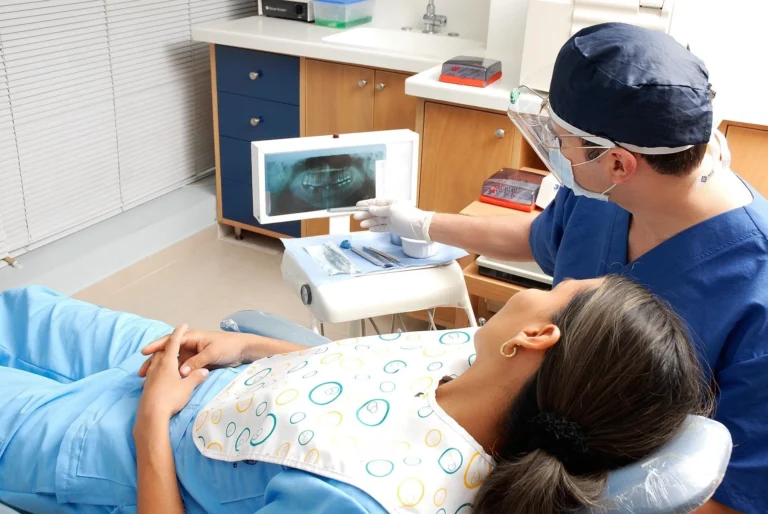
People who maintain active lifestyles benefit from routine dental assessments focused on identifying early signs of erosion, sensitivity, and caries. Dental professionals can provide tailored advice to help you manage your risk and maintain both your fitness and dental health. This is especially important for anyone integrating sports drinks regularly into their routine.
By making informed hydration and nutrition choices, together with prioritising regular dental care, you can support both your athletic performance and your long-term oral health.
Understanding how sports drinks impact your teeth and gums is an important factor in your approach to fitness, ensuring a healthy smile complements your overall wellbeing and exercise achievements.