Sports drinks can fuel training, but repeated sipping may damage enamel. Here’s how active people can protect their teeth.
For anyone who trains hard, sweats freely and treats a brightly coloured bottle as essential kit, how bad sports drinks and everyday nutrition can affect your dental health is no longer a niche concern best left to dentists and people who own too much floss. It is part of the modern fitness equation: lungs, legs, recovery, hydration — and the enamel quietly taking a beating while you chase a personal best.
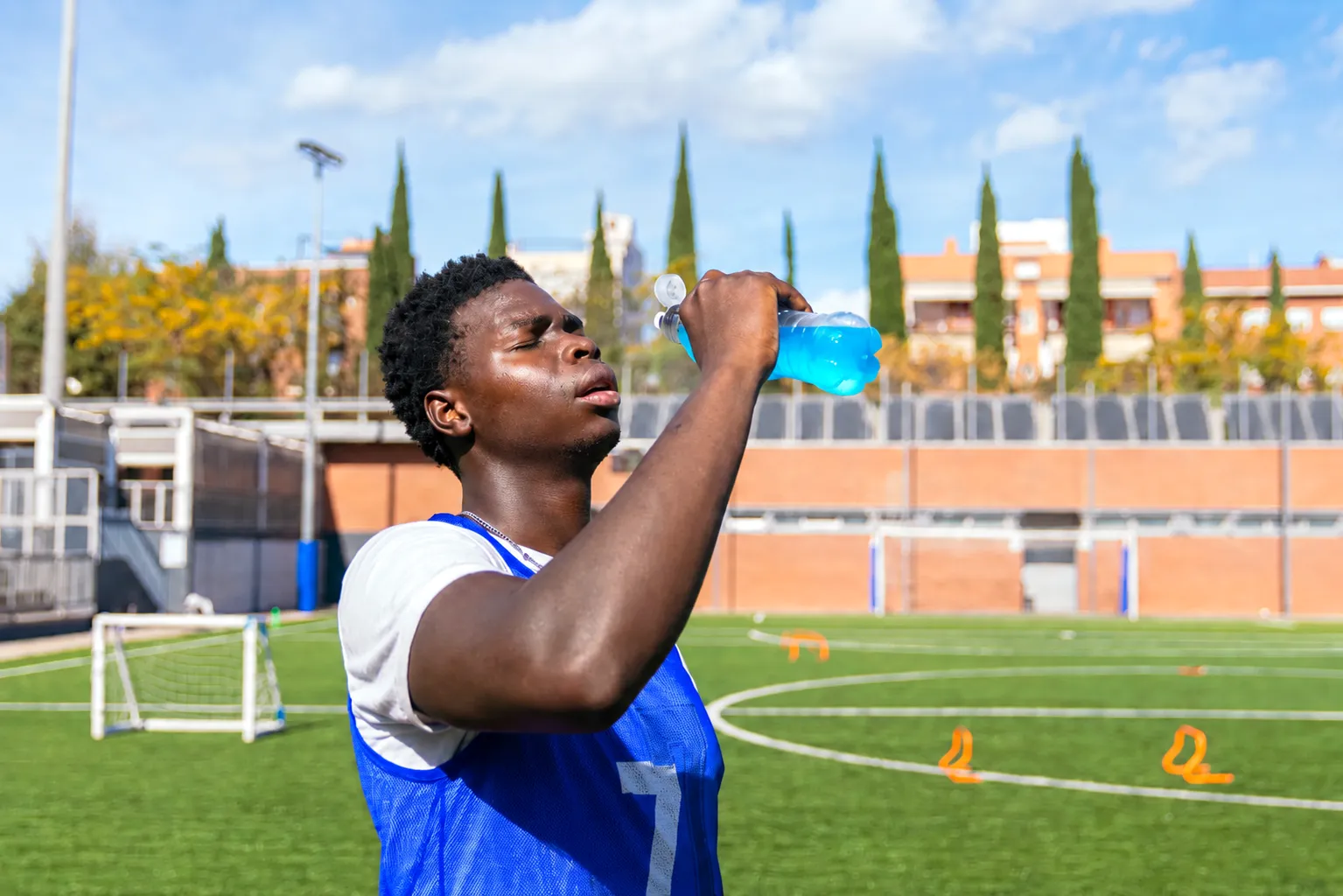
Sports drinks have become part of the scenery in gyms, on bikes, beside treadmills and at the bottom of kit bags. They promise fluid, carbohydrates and electrolytes, which is a useful little trio when a workout is long, hot or punishing enough to make your calves reconsider their life choices.
The problem is not that sports drinks are inherently wicked. They are not lurking in the fridge wearing a cape. The issue is timing, frequency and mouth chemistry. During exercise, your oral environment changes. Heavy breathing and dehydration can reduce saliva flow. Saliva is not glamorous, but it is one of the mouth’s great unsung defenders, helping neutralise acids and protect tooth enamel.
When saliva levels drop and acidic or sugary drinks arrive by the sipful, teeth can find themselves in a less-than-charming situation.
Why Workout Hydration Can Affect Your Teeth
During endurance or high-intensity training, many athletes and fitness enthusiasts turn to sports drinks for quick energy and hydration support. Runners, cyclists, gym-goers and team-sport players may all use them to keep performance from falling off a cliff.
But the mouth under training stress is not the same mouth enjoying a quiet cup of tea. Reduced saliva flow means acids are not neutralised as effectively. Sugars linger. The enamel — the hard, protective outer surface of the teeth — becomes more vulnerable.
That matters because enamel does not regenerate like a good night’s sleep or a forgiving golf handicap. Once it is worn away, the consequences can include sensitivity, rougher tooth surfaces and visible changes over time.
Sports Drinks, Sugar And Acid: A Tricky Little Partnership
Most sports drinks contain some combination of sugar, acids, electrolytes and flavourings. Each plays a different role.
Sugar provides accessible energy, which is why it appears in performance drinks in the first place. Unfortunately, sugar also feeds bacteria in the mouth. Those bacteria produce acids, and those acids can contribute to tooth decay.
Then there are the acids already present in many drinks, such as citric acid. These can lower the pH in the mouth and soften enamel. Add flavourings, and the danger becomes less obvious. A drink may taste refreshing, sharp or fruity rather than obviously acidic. Teeth, regrettably, are not judging the bottle design. They are dealing with the chemistry.
Electrolytes themselves are not the dental villain. They are useful for hydration and muscle function. The difficulty comes when a sports drink is sipped repeatedly across a long session, keeping the mouth in an acidic state for extended periods.
That habit — the heroic little sip every few minutes — can be worse for teeth than many active people realise.
The Warning Signs Active People Should Not Ignore
The link between sports drinks and dental health becomes more serious when early warning signs begin to appear.
Sensitivity to hot or cold is one of the most common clues. A rough feeling on the tooth surface can also suggest enamel wear. Increased staining, persistent dry mouth and recurring cavities may point to a mouth that is struggling to cope with repeated acid and sugar exposure.
This is particularly relevant for endurance athletes and regular gym users, who may be exposed to sports drinks more often and for longer periods. Anyone already dealing with gum concerns or tooth sensitivity may find symptoms worsen with regular consumption.
It is also why routine dental advice matters, whether someone is searching for dentists in the City of London between meetings, comparing private dentists in Peterborough, or booking a check-up closer to home. The location may change, but the principle does not: active lifestyles need proactive oral care, not a panicked appointment after a tooth starts behaving like a faulty smoke alarm.
How Bad Sports Drinks And Everyday Nutrition Can Affect Your Dental Health
The phrase how bad sports drinks and everyday nutrition can affect your dental health sounds rather dramatic, but the concern is practical rather than theatrical.
It is not just the drink. It is the pattern around it. A sugary sports drink during a demanding workout, followed by acidic snacks, dry mouth, delayed hydration and constant grazing, can create a hostile environment for teeth. The mouth needs time to recover between acid attacks. Continuous sipping and snacking removes that recovery window.
Balanced meals and well-chosen intra-workout snacks may provide energy with less dental risk for many routine sessions. Water is often enough for lighter training. Sports drinks are usually most useful when the workout is long, intense or performed in conditions where hydration and carbohydrate support are genuinely needed.
In other words, not every 40-minute gym session requires a bottle that looks as though it was mixed in a laboratory by a caffeinated parrot.
How To Protect Your Teeth Without Sabotaging Performance
The sensible approach is not panic. It is control.
Rinsing the mouth with water after having a sports drink can help reduce lingering sugars and acids. Brushing immediately afterwards, however, is not ideal. When enamel has been softened by acid, brushing too soon may increase wear. Waiting at least 30 minutes before brushing is the safer habit.
Avoiding constant sipping also matters. If you are going to use a sports drink, it may be better to drink it over a shorter period rather than nurse it lovingly throughout an entire session. Using a straw can help reduce contact with the teeth, though it is not a magic force field.
For lighter workouts, water is the obvious friend: cheap, effective and unlikely to pick a fight with your enamel. For longer or more demanding sessions, sports drinks may still have a place, but they should be used with intent rather than out of habit.
The Role Of Dental Care In An Active Lifestyle
Fitness culture is very good at measuring things: pace, watts, reps, macros, sleep scores, and heart-rate zones. Dental health tends to sit quietly in the corner, unmeasured and underappreciated, until something hurts.
That is a mistake. Oral health is part of overall wellbeing, and for active people it deserves the same practical attention as recovery, nutrition and injury prevention.
Regular dental assessments can help detect enamel erosion, sensitivity and caries early. They also give athletes and regular exercisers tailored advice based on their actual habits rather than generic warnings shouted from the sidelines.
That matters because no two mouths, training routines or diets are exactly alike. A weekend runner sipping water on a short jog is in a different position from a cyclist using sports drinks for long rides or a gym-goer grazing through energy snacks, protein bars and flavoured drinks all week.
Sports drinks can be useful. Every day nutrition can support performance. But teeth live with the consequences of how often, how slowly and how carelessly those choices are made.
A strong body and a healthy smile should not be rivals. Treat hydration as part of your performance plan, not an afterthought, and your teeth may yet forgive you for all those heroic little bottles in fluorescent flavours.