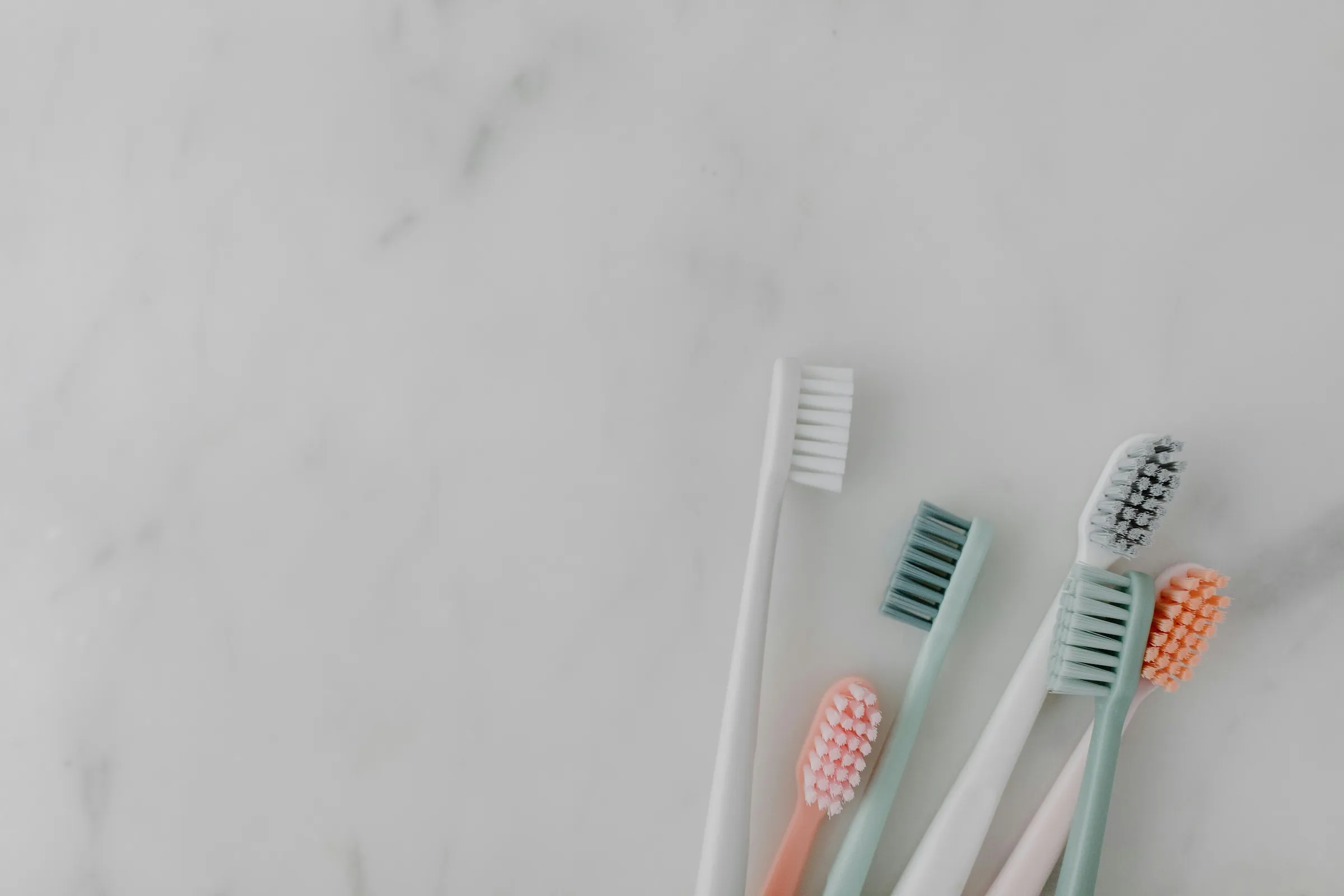
Oral health affects recovery, inflammation, breathing and treatment costs more than many athletes realise.
Most athletes track sleep, nutrition, and training loads, but oral health rarely makes the list. That gap is worth closing because your mouth connects directly to how your body performs, recovers, and manages inflammation.
Research consistently links gum disease to systemic inflammation, which can slow muscle repair and raise cardiovascular risk. For people serious about fitness, skipping dental care is not a minor oversight. It can affect training outcomes in real, measurable ways. If cost is the barrier, checking Algodones Dental Center prices shows how much people save on routine and restorative dental work just across the border in Mexico.
The Inflammation Link Between Your Mouth and Muscles
Oral bacteria from untreated gum disease do not stay in your mouth. They enter the bloodstream and trigger an immune response throughout the body. For someone who trains regularly, this creates a competing demand on recovery resources.
Chronic low-grade inflammation from periodontal disease is associated with slower tissue repair and higher C-reactive protein levels. Athletes dealing with persistent soreness or unexplained fatigue may want to rule out oral health issues before changing training variables. A study published through the National Institutes of Health found that elite athletes showed higher rates of dental disease than the general population. High-sugar diets, sports drinks, and dry mouth from heavy breathing all contribute to this pattern.
Why This Slows Recovery
When your immune system is already managing oral bacteria, it has less capacity for muscle repair. Post-workout soreness can linger longer than it should. Energy levels may dip without an obvious training-related reason. Getting a dental check-up twice a year helps catch gum disease early, before it starts compromising your recovery.
How Jaw Health Affects Your Training
Breathing mechanics and jaw tension both play a role in physical performance. Nasal breathing during exercise is more efficient than mouth breathing. It filters and humidifies air while supporting better oxygen exchange. Poor oral structure or chronic jaw tension can push athletes toward mouth breathing without them realising it.
Temporomandibular joint (TMJ) issues are more common in people who clench their jaw during heavy lifts or high-stress training. That tension spreads into the neck and shoulders, restricting movement and adding to post-workout tightness. Some coaches and physiotherapists now include jaw assessment as part of a full-body movement screen.
Signs Worth Paying Attention To
These symptoms are easy to dismiss, but they often point to an oral health issue worth addressing.
- Jaw soreness after training sessions or during sleep
- Frequent headaches that start near the temples
- Neck stiffness that does not respond well to stretching
- Tooth sensitivity after cold-weather or outdoor workouts
Seeing a dentist about these issues often resolves tension patterns that massage or physiotherapy alone cannot fix.
Nutrition, Tooth Erosion, and the Athlete’s Diet
High-performance eating patterns can be surprisingly rough on teeth. Protein shakes with citric acid, energy gels, and recovery drinks all lower oral pH. This creates conditions where enamel softens and bacteria multiply faster.
Frequent small meals, which many athletes use to maintain energy levels, mean teeth are exposed to acids more often throughout the day. Rinsing with water after meals helps, and waiting about 30 minutes before brushing reduces enamel erosion over time. Guidance from Nutrition Australia highlights calcium-rich foods as important not just for bone density but also for maintaining enamel strength. Dairy, leafy greens, and almonds support both skeletal and dental health at the same time.
Simple Habits That Protect Your Teeth
Building these into your daily routine does not take much time, but the long-term benefit adds up.
- Rinse with water after training drinks and energy gels
- Choose non-acidic protein sources where you can
- Space out acidic foods rather than grazing all day
- Use a soft-bristle brush and fluoride toothpaste
- Book a dental check-up at least twice per year
These habits work alongside your training routine rather than adding extra effort to it.
The Real Cost of Delaying Dental Work
Dental treatment is expensive in Australia and the United States, and many people delay care because of what it costs. A single crown can run over $1,500 AUD in Australia, and implants can exceed $5,000. That pricing leads people to wait until problems get worse, which makes treatment more involved and more expensive down the line.
Dental tourism has grown as a practical response to this gap. Los Algodones in Mexico is one of the most visited destinations for affordable care, with clinics serving thousands of international patients every year. Savings on procedures like implants, crowns, and full-mouth restorations are substantial. They often cover the entire cost of the trip with money left over.
For fitness-focused people who already research their health investments carefully, treating dental work the same way makes sense. The logic that leads someone to invest in a quality coach or sports physio applies equally to maintaining healthy teeth and gums.
What Affordable Care Actually Covers
People often assume budget-friendly dental clinics cut corners on quality. Reputable clinics in Los Algodones use the same materials and equipment found in Australian and American practices. Procedures available at a fraction of local costs include dental implants, veneers, crowns, root canals, teeth whitening, full-mouth restorations, and routine cleans. Getting necessary work done sooner rather than later prevents small problems from turning into costly ones.
Putting Oral Health Into Your Fitness Routine
Oral hygiene fits naturally into a recovery-focused lifestyle. Brushing twice daily, flossing consistently, and attending regular professional cleans are straightforward habits. They become part of the same discipline that keeps training on track.
People who treat dental health as routine maintenance rather than emergency-only care tend to catch problems early. They spend less on treatment overall and avoid the systemic complications that come from prolonged dental neglect. For those who have been putting off needed work because of cost, exploring affordable options through reputable clinics abroad is a realistic path forward.
Good oral health supports better breathing, lower inflammation, and faster recovery. For anyone building a sustainable fitness lifestyle, keeping your mouth healthy belongs in that plan.