A new mental health campaign supported by Berocca combines an ambitious running film with a ten-day activity challenge, encouraging people to discover what movement can offer beyond physical fitness.
A stopwatch can tell you how far you’ve travelled. It’s rather less useful at measuring the relief of getting outside, the comfort of familiar company or the satisfaction of having somewhere to be.
That distinction sits at the heart of Sport In Mind’s 100K Your Way Challenge, beginning on World Mental Health Day, 10 October 2026. The mental health sports charity is inviting people across the UK to complete 100 kilometres in ten days, using whichever forms of physical activity work for them.
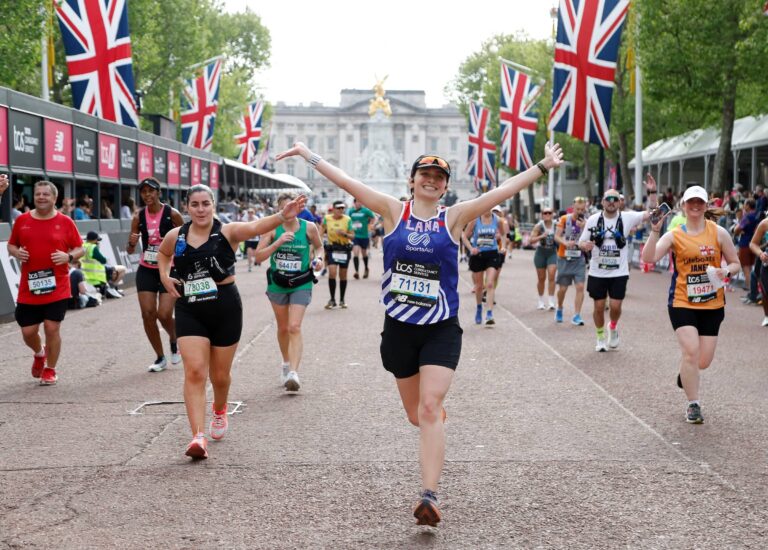
Walking counts. So do running, cycling and swimming. Participants can combine activities, take part independently or involve friends, family and colleagues.
The challenge forms part of Saving Lives Through Sport, a new campaign supported by Berocca that places the emphasis on mental wellbeing, connection and the opportunities physical activity can create before somebody reaches crisis point.
The distance provides a target. The wider message is considerably more personal.
A running film that refuses to define a runner
The centrepiece of the campaign is a film that has taken more than two years to complete, involved 18 animators across six countries and brought together an unusually varied collection of creative techniques.
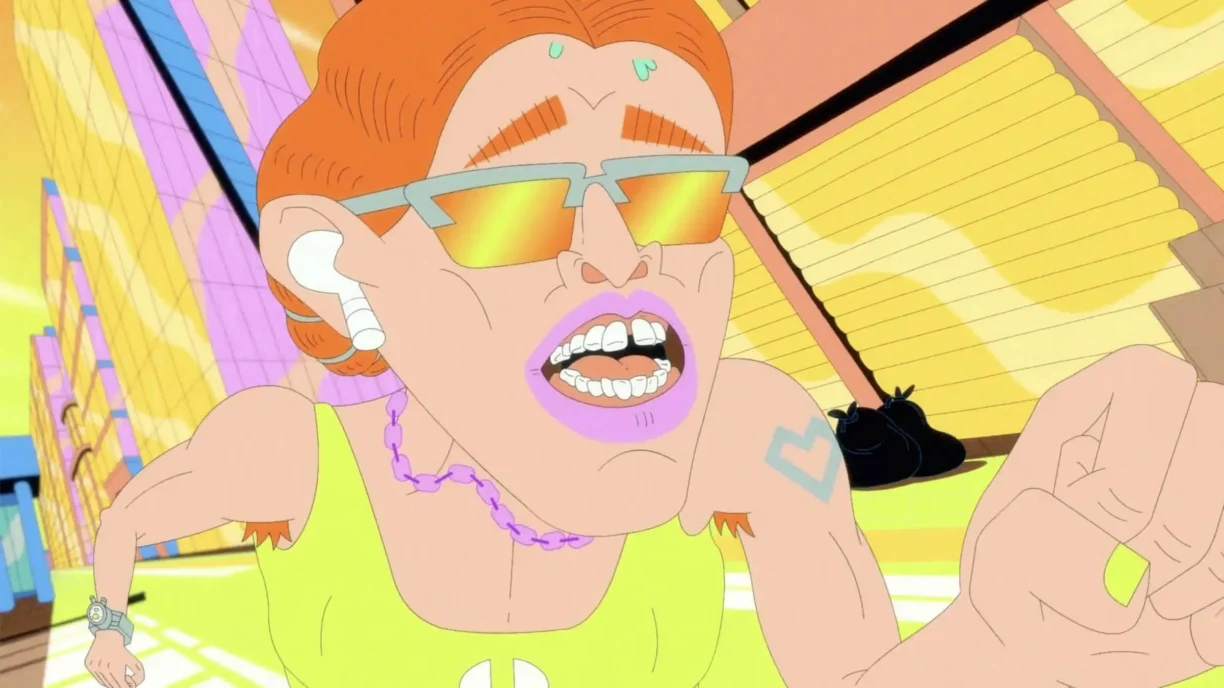
Directed by Paul Jordan and produced by Megan Sutton, the Berocca-sponsored production mixes conventional live-action footage with 2D animation, 3D CGI, paper collage, model-making, fuzzy felt, stop-frame and AI-assisted animation.
One contributor previously worked on Fantastic Mr Fox, while several others became involved because of their own experiences of running and mental health.
It’s an elaborate way of exploring a relatively simple idea: there isn’t a standard model of somebody who benefits from movement.
The film includes runners of different ages and abilities, among them a wheelchair user, a blind runner and former footballer and Love Island contestant Dejon Noel-Williams, who is also a Sport In Mind ambassador.
Its visual journey begins with familiar stereotypes of what a runner supposedly looks like before moving towards a much broader picture of the running community.
Genesis Elijah performs the lyrics, originally written by Jordan as a three-act spoken-word poem. Rather than concentrating on competition or athletic achievement, the piece explores the emotions that bring people back to running.
Jordan explains the personal motivation behind the project:
“For me, this campaign is deeply personal. Running has given me so much over the years including space, clarity and a way to feel more like myself and creating this film felt like a way of giving something back. I see it as a love letter to running, and a way of repaying what I think of as a kind of ‘life debt’.”
That personal connection helps explain why the film’s changing styles feel appropriate to its subject. Running doesn’t mean the same thing to everyone. There is little reason a film about it should look the same from beginning to end.
What sport can offer beyond exercise

Sport In Mind’s work focuses on using physical activity to support people experiencing mental health difficulties.
Working in partnership with the NHS, the charity says it has supported more than 60,000 children, young people and adults through its activities.
It also reports that 94% of participants experienced improved mental wellbeing after taking part.
That is encouraging self-reported feedback, although it should not be confused with clinical evidence that physical activity alone caused those improvements or prevented a mental health crisis.
The distinction matters, particularly given the campaign’s name.
Exercise can be part of a broader approach to mental wellbeing, but it is not a substitute for professional mental health treatment when that is needed.
Sport In Mind’s emphasis is on creating opportunities for participation and connection. Its founder and chief executive, Neil Harris, identifies confidence, routine and belonging among the benefits the charity wants people to recognise.
Those experiences are harder to quantify than kilometres covered, but they help explain why a community-based activity session may mean something different from completing a workout alone.
The campaign also reflects the importance of making activity welcoming to people whose abilities, experiences and motivations differ.
Why the ‘Your Way’ approach matters
Traditional distance challenges tend to favour people who already enjoy running or endurance exercise.
Sport In Mind has taken a broader approach.
Participants in 100K Your Way can divide their distance between several activities rather than committing to one discipline. Someone might combine walking with cycling, for example, while another participant chooses swimming or running.
That flexibility is a meaningful part of the campaign, although 100 kilometres in ten days remains a substantial undertaking for many people. The challenge should be approached with individual fitness, ability and circumstances in mind.
Crucially, the invitation isn’t limited to people who already identify as sporty.
For someone who finds gyms intimidating, dislikes running or prefers exercising with company, having different ways to participate may make the idea more approachable.
The charity hopes the event will also generate funds for its ongoing mental health programmes.
Sport In Mind says that £54 can enable ten people to access one of its activity sessions, providing opportunities to exercise and connect with others in a supportive environment.
That gives the fundraising target a more tangible purpose beyond the distance completed.
How to take part in 100K Your Way
The challenge begins on Saturday 10 October 2026, coinciding with World Mental Health Day, and runs for ten days.
Participants are invited to cover a combined 100 kilometres through walking, running, cycling, swimming or a mixture of activities, with sponsorship supporting Sport In Mind’s work.
Details of participation and fundraising are available through the charity’s official 100K Your Way Challenge website.
The accompanying Saving Lives Through Sport film offers another way to engage with the campaign, particularly for anyone interested in its unusually collaborative approach to storytelling.
There is no suggestion that completing a distance challenge can solve the complexities of mental ill health. Its more realistic contribution lies in encouraging participation, supporting existing community programmes and opening conversations about the role activity can play in everyday wellbeing.
A hundred kilometres is a clearly defined target. Finding a form of movement that people feel comfortable returning to may prove the more lasting ambition.