London's landmark half marathon drew its largest-ever field, raising £8 million for charity so far and putting another fundraising record within reach.
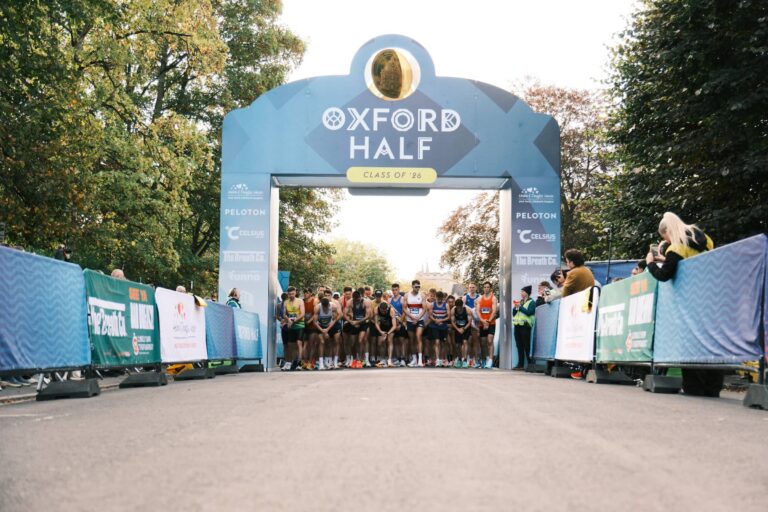
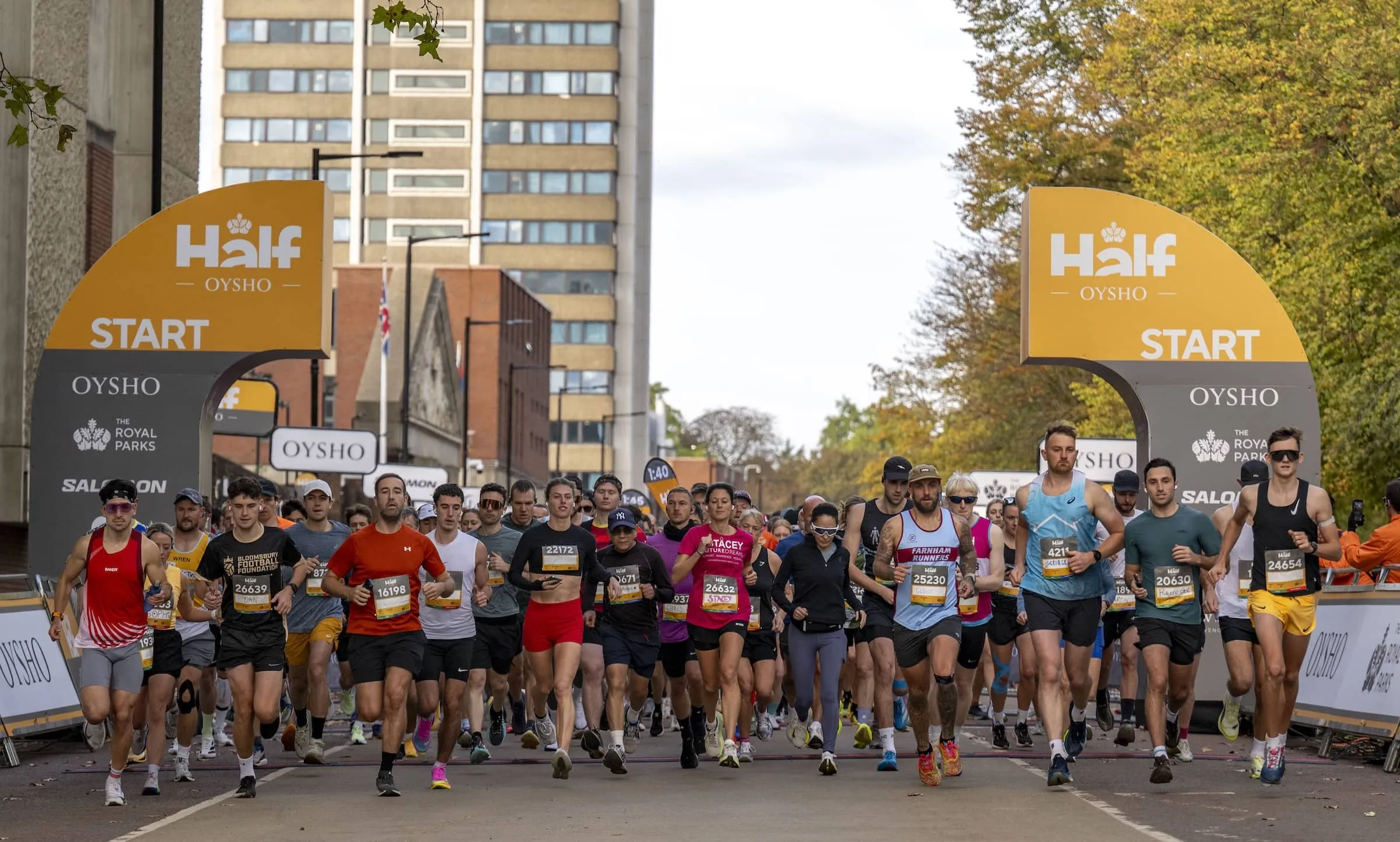
More than 17,000 runners took to central London on Sunday 11 October for the 2026 Oysho Royal Parks Half Marathon, giving the event its biggest field in 19 years. The turnout is already a record. The fundraising total may yet be one too.
Organisers say £8 million has been raised so far, putting last year’s £8.5 million annual fundraising record within reach. For a race built around individual challenges, the combined effort could prove the most significant result of the day.
A 13.1-mile circuit of the capital
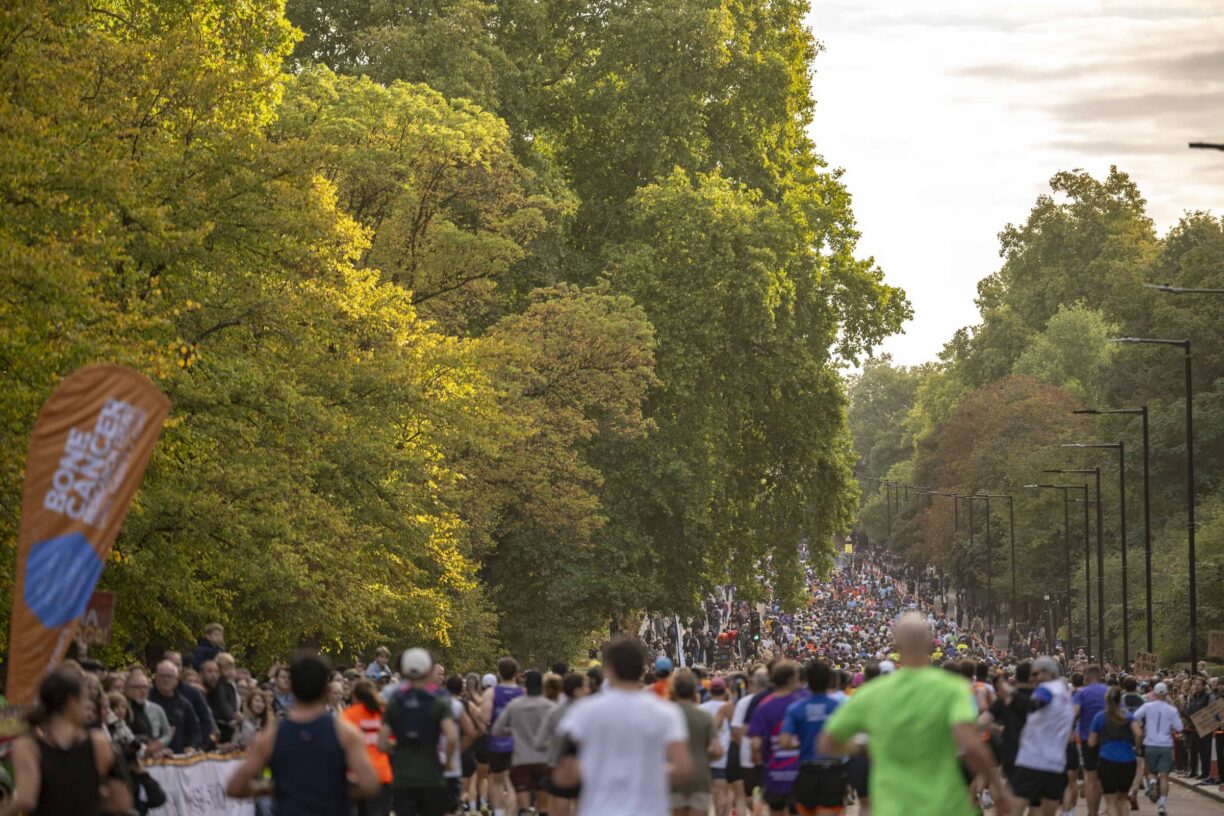
The closed-road course threaded through Hyde Park, The Green Park, St James’s Park and Kensington Gardens, taking runners past Buckingham Palace, the Houses of Parliament and Trafalgar Square. The finish was between the Royal Albert Hall and the Albert Memorial.
It is an unusually generous sightseeing route, although anyone tackling 13.1 miles may have had limited time to admire the architecture.
Some were running their first half marathon; others were pursuing a personal challenge or supporting a cause close to them. Spectators lined the route and gathered in the parks, while familiar faces joined the field, including Dermot O’Leary, Olly Murs, Adam Woodyatt, Chloe Meadows, Jenni Falconer and Tilly Ramsay.
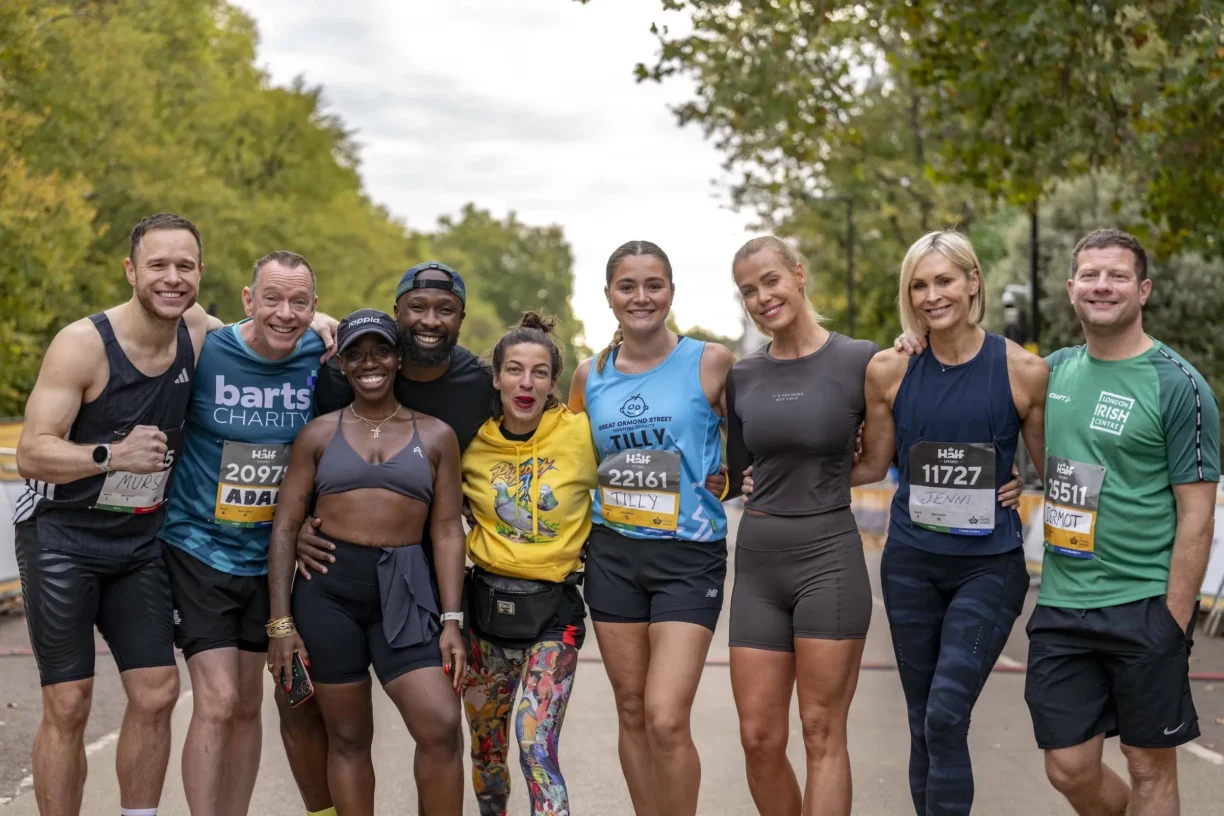
The celebrity names added recognition. The scale of the ordinary runners’ collective effort provided the real story.
The fundraising record is still in play
The £8 million figure is substantial, but it has not yet surpassed the event’s 2025 record of £8.5 million. With further donations expected in the days after the race, organisers believe that mark could be beaten.
The longer view is equally notable. Since the half marathon began in 2008, it has helped raise more than £88 million for over 1,900 UK charities. Event proceeds also contribute to the management and enhancement of London’s Royal Parks.
That gives the 2026 race two measures of success: a confirmed participation record and a fundraising result that is still developing. Keeping them separate matters more than declaring victory early.
A different sort of finish-line atmosphere
Once runners had crossed the line, the event village offered places to meet family and friends, refuel and spend a little time off their feet.
Oysho joined as headline sponsor for the first time this year, presenting its running clothing collection alongside a personalisation station and photo opportunity. Other activities included a Salomon trail-running simulator, the Pip & Nut toast bar, Tenzing energy drinks and a dedicated children’s zone. The Community Hub hosted a beginner-friendly shadow boxing session with Ramla Ali Sisters Club.
Those extras gave supporters and runners something to do after the race, although they were supporting acts to the challenge taking place on the roads.
Rethinking what runners take home
The event also continued several sustainability initiatives, including water refill stations, compostable cups and FSC-certified wooden medals.
One of the more distinctive choices was its ‘Drop the Finisher Top’ scheme. Runners could opt to support planting around the edge of the Serpentine Lake rather than receive a finisher T-shirt. It is a practical alternative to another piece of race merchandise, although these measures alone do not establish the event’s overall environmental footprint.
With the running finished, one number remains unresolved: whether 2026’s charity total will move beyond the £8.5 million reached last year.