From doing a roly poly to having a dance party, small efforts can help combat sedentary behaviours.
The word sedentary has a wonderfully harmless sound to it, like a minor village in the Cotswolds or a beige cardigan with pension arrangements, but new long-term research suggests Europe’s sitting habit is becoming rather more serious than that.
Published in BMC Public Health, the study measured sedentary behaviours across Europe, defining them as more than four-and-a-half hours of sitting a day. In 2002, 49.3% of people in the study were inactive beyond that threshold. By 2017, the figure had risen to 54.5%. The rise appears especially marked among men in Britain.
That is not a small shuffle in the wrong direction. It is half a continent slowly moulding itself to the shape of an office chair.
Why Sitting Too Much Matters
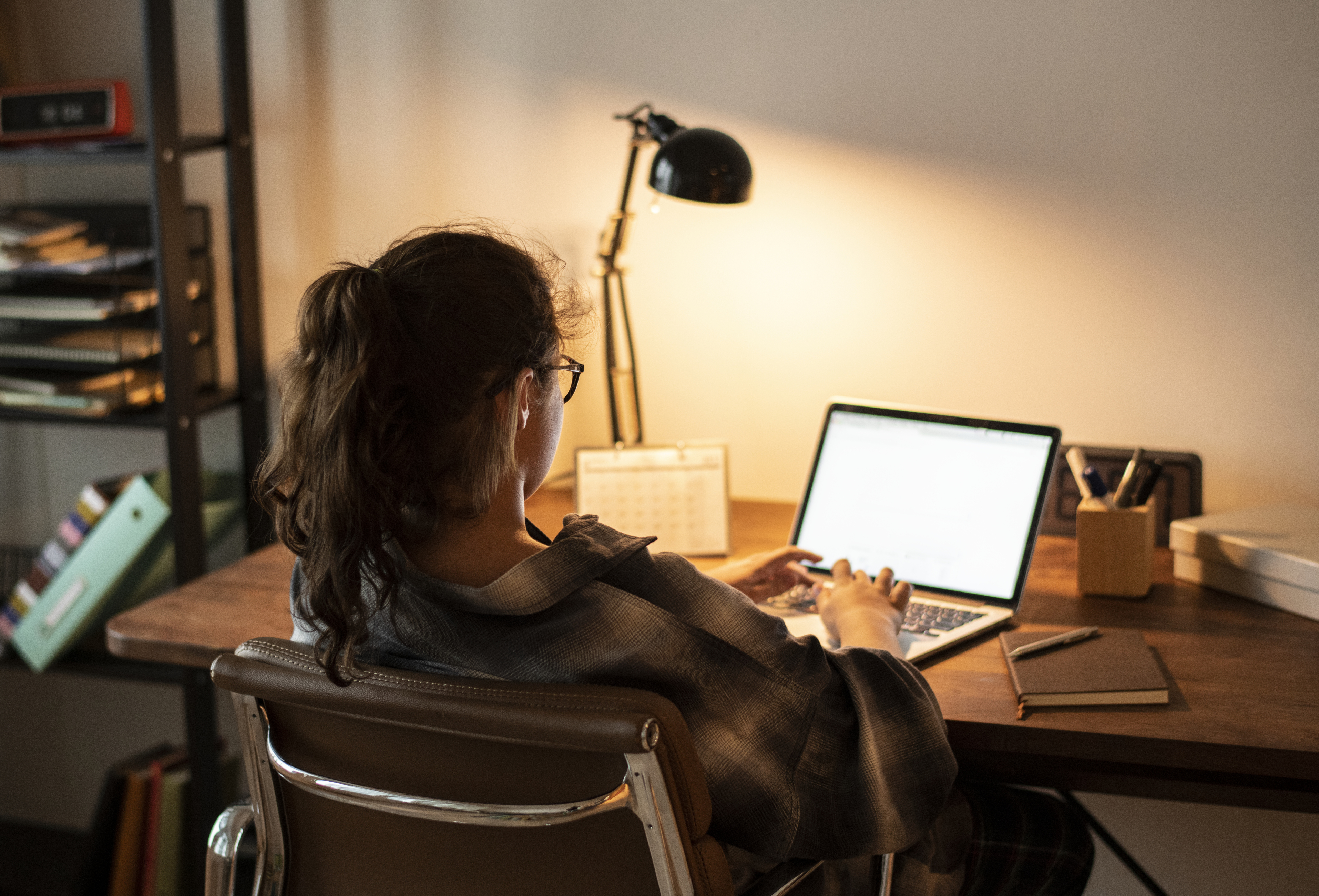
One of the study’s authors Xian Mayo Mauriz said: “Sitting for more than four-and-a-half hours per day is associated with an increased risk of suffering from illnesses such as heart disease. Our research indicates that the prevalence of sedentary behaviour has increased across Europe and this could have significant implications for the health of all European states.
“We propose that the observed increase in the prevalence of physical inactivity could be attributed to people increasingly interacting with technology such as smartphones and streaming services during work and leisure time. Our findings suggest that in addition to encouraging physical activity, governments should focus on reducing the amount of time people spend sitting per day.”
There it is. Not exactly a plot twist worthy of a crime drama, but possibly more relevant to daily life. Work has moved to screens. Leisure has moved to screens. Even arguments now arrive through screens, usually accompanied by someone typing “with respect” while displaying none whatsoever.
The issue is not that people have suddenly become lazy. It is that modern life has become extraordinarily good at removing natural movement. Emails replaced walks across the office. Streaming replaced getting up to change channels. Food arrives at the door. Meetings multiply like damp in a bungalow.
So the answer does not have to be heroic. Nobody is asking you to start each morning by dragging a tractor tyre through the frost while shouting affirmations at a startled postman. The practical target is simpler: sit a little less, move a little more, and stop letting the chair win every round.
Stand Up During Work Calls

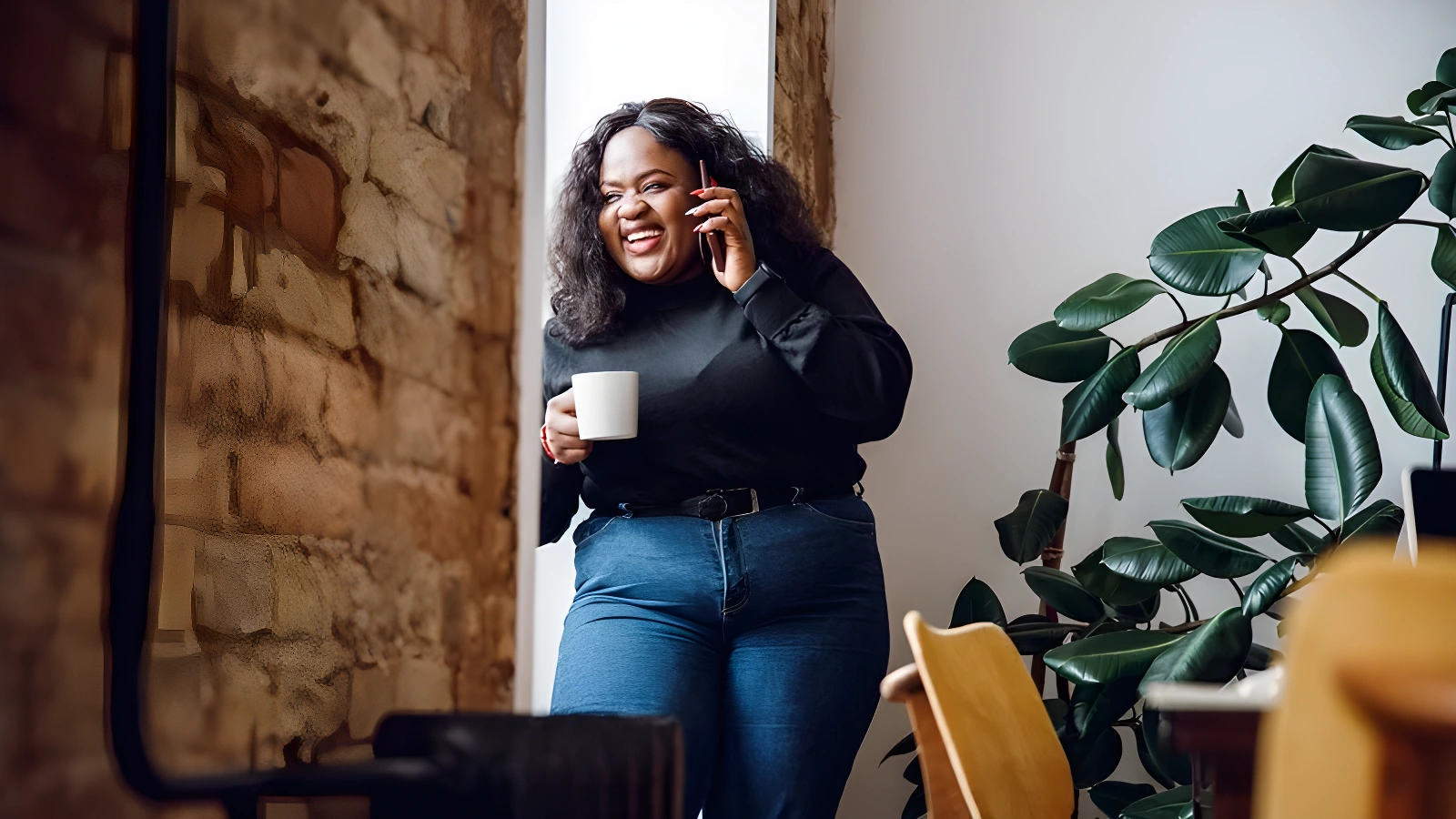
Work calls are one of the great stealthy thieves of movement. They look harmless enough, but pile several together and suddenly you have spent the afternoon folded into the posture of a question mark.
If the call does not require a screen, stand up. Walk around the room. Pace the hallway. Drift towards the kettle with purpose. You may even find your thinking improves when your body is doing something more ambitious than holding your head above a keyboard.
For video meetings, make a simple bargain with yourself: when the call ends, stand up. Even a brief stroll around the room helps interrupt a long sedentary spell and reminds your legs they are not decorative.
The same rule works after hours. Stand up between programmes, during advert breaks, or whenever a streaming platform asks if you are still watching. That question, frankly, should come with a blood pressure cuff.
Water The Plants
Watering plants is the sort of wholesome domestic task that feels almost suspiciously virtuous. The plants benefit, you move, and nobody has to hear you say you are “optimising your wellness routine”.
If your plants are indoors, move a few around so they get more even light. There is bending, lifting, reaching and walking involved — not Olympic training, granted, but movement does not need a medal ceremony to count.
It also gives you a reason to step away from the desk without pretending you have suddenly developed an urgent interest in the contents of the fridge.
Have A Dance Party
Dancing remains one of the finest forms of exercise, mainly because it does not feel like a punishment devised by someone with a whistle.
Put on a favourite song and move for three minutes. That is all. No routine, no mirrors, no judgement, and certainly no need to perform anything that could be described as choreography. If you are working from home, this is even easier. The dog may judge you, but the dog eats things off pavements, so let us keep criticism in perspective.
Research has suggested dancing can support mental health, and as a way to break up sitting time, it has the added advantage of being difficult to do while slumped in a chair like a deflated camping mattress.
Use Stairs As A Stress Valve

Stress has a nasty habit of pinning people to their seats. You stare harder at the problem, grip the mouse as it owes you money, and somehow expect clarity to emerge from neck tension.
A short burst of movement can help. Run up the stairs, walk briskly down the corridor, or throw a few air punches if privacy and dignity allow. It will not solve every problem. It will not make inboxes disappear. But it can shake the body out of that static, sedentary lock-up and make the next decision feel less like defusing a bomb with a spoon.
The key is not duration. It is interruption. Break the sitting pattern before it becomes the whole day.
Knock Off A Household Chore
Household chores are not glamorous. Nobody has ever returned from cleaning the garage with the serene glow of a spa weekend. But they do count.
Washing the car, hoovering properly, clearing a cupboard, taking out the recycling, scrubbing the bathroom or sorting the garden all involve movement. Some involve enough exertion to remind you exactly why professional cleaners deserve national honours.
The beauty of chores is that they solve two problems at once. You reduce sitting time and remove something from the domestic guilt pile. That is not a fitness revolution. It is better: it is useful.
Get Up From Your Desk Once An Hour
Standing up once an hour will never sound thrilling. It has all the glamour of checking your tyre pressure. But as a daily habit, it is one of the simplest ways to reduce sedentary behaviour.
Set an hourly reminder if needed. When it goes off, stand up, stretch, walk to another room, refill a glass of water or do a few star jumps if you are fit enough and unlikely to frighten anyone nearby.
The point is not to become a different person by Thursday. It is to stop whole mornings from vanishing while your body remains parked in exactly the same position.
Small Movement Still Counts
The modern health conversation can become exhausting because it so often sounds like a sermon delivered by someone who owns too many protein shakers. But reducing sedentary time does not require a dramatic personality transplant.
It starts with small, repeatable interruptions: stand, walk, stretch, climb, dance, tidy, water, move. None of these requires a gym membership, an app subscription or trousers with reflective piping.
The research is a useful nudge because it frames sitting not as a moral failure, but as a design problem in modern life. Technology has made stillness easy. Daily habits have to make movement easier.
So stand up during the next call. Water the basil. Dance badly. Take the stairs. Attack the ironing pile with theatrical resentment. The chair will still be there when you return, smug and waiting — but at least it will know it is in a contest.