A physiotherapist explains how core, glute and hip strength may support the lower back, plus three controlled Pilates exercises to try.
Lower back pain can have more to do with how the core, hips and glutes work together than the spine alone.
We spoke to physiotherapist Juanita Jordan from Ten Health & Fitness who explains where Pilates may help — and when pain needs professional assessment.
A stiff lower back after hours at a desk. A twinge when you bend down. That familiar ache after lifting something awkwardly. Lower back pain is common enough to feel almost routine, but treating the sore spot as the entire problem can miss an important part of the picture.
For people considering Pilates for lower back pain, the useful question is not simply whether a particular exercise can make the discomfort disappear. It is whether stronger supporting muscles, better mobility and more controlled movement can reduce the amount of strain being placed on the lower back in the first place.
Musculoskeletal conditions are the leading cause of pain and disability in England, affecting almost one in five adults, or 17.9%. They also become more common with age, making the strength and mobility needed for everyday movement increasingly relevant.
The sore spot may not be the whole story
Pain in the lower back does not necessarily mean the back itself is the only area that needs attention.
Jordan, says weaknesses elsewhere in the body can change how much work the lumbar spine is being asked to do.
“Lower back pain is rarely caused by the back alone. Weakness through the core, glutes or hips, reduced mobility, and poor movement patterns can all increase the strain placed on the lumbar spine. Rather than focusing solely on where it hurts, it’s important to improve how the whole body moves.”
That changes the emphasis. Instead of repeatedly targeting the painful area, the aim becomes improving the system around it.
The deep core muscles help stabilise the spine. The glutes and hamstrings contribute strength during everyday movements, while mobility through the hips can influence how forces are distributed through the body.
None of that means there is one neat explanation for every aching back. It does mean that strengthening the areas surrounding it can be more useful than thinking about the spine in isolation.
Why Pilates can support the lower back
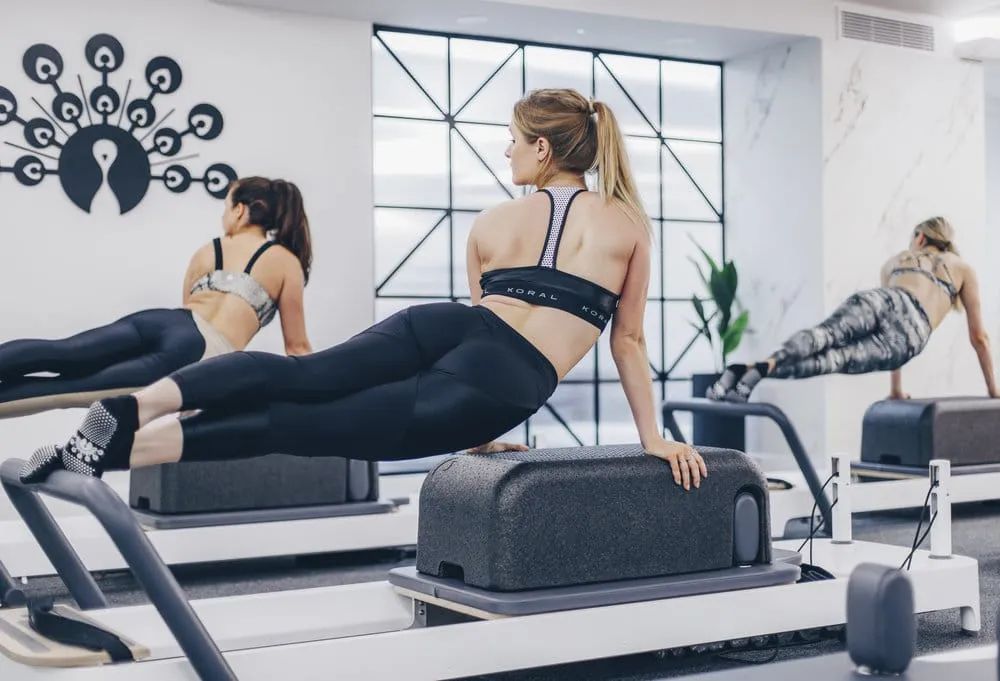
Pilates combines controlled movement with strength and mobility work, which makes it one option for building that support.
Reformer Pilates adds adjustable spring resistance, allowing exercises to be modified for different abilities while limiting unnecessary load on the spine.
As Jordan explains: “Reformer Pilates is often recommended for people with lower back pain because it combines strength, mobility and control in one low-impact form of exercise.”
The emphasis on control matters. Moving slowly gives you more opportunity to pay attention to positioning rather than simply completing repetitions. Pilates can also work the deep core while developing hip mobility, posture and body awareness.
As movement patterns improve, the body may distribute load more evenly rather than leaving the lower back to compensate.
That does not make Pilates a guaranteed remedy for recurring pain. Jordan is clear that no single exercise will fix lower back pain. Strength, mobility, consistency and gradual progression all matter.
Three controlled Pilates exercises to try
You do not need a Reformer to practise the basic principles. Jordan suggests three exercises that can be performed at home, with control taking priority over speed.
Pelvic tilts or cat-cows
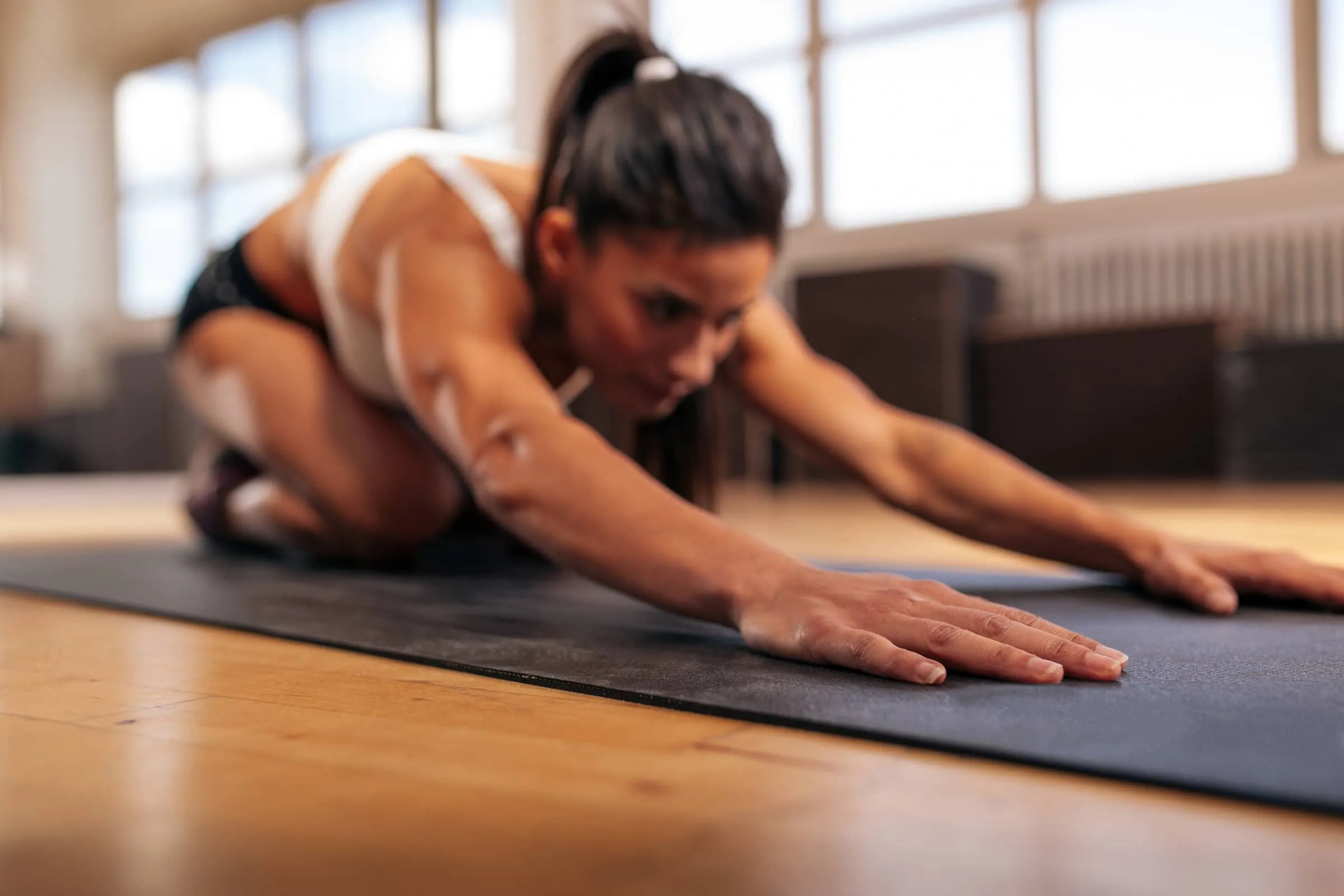
Start on all fours with your hands planted on the floor. Slowly move the pelvis so the back curves upwards, then gently release the back towards the starting position.
The purpose is not to rush through as many repetitions as possible. The movement should be slow and deliberate, encouraging mobility through the lower back while developing awareness and control of the pelvis.
Dead bugs
Lie on your back with your arms pointing upwards and your legs raised in a tabletop position, with the knees bent.
From there, reach one arm and the opposite leg away from the body before returning to the starting position and changing sides.
The challenge comes from keeping the spine stable while the limbs move. That makes the dead bug a way of strengthening the deeper core muscles without relying on large or aggressive movements.
Glute bridges
Lie on your back with your knees bent, feet flat on the floor and arms by your sides.
Slowly lift the pelvis as high as feels comfortable while keeping the shoulders and upper back down. Lower yourself gradually, working through the spine with control until the pelvis returns to the floor.
Think less about getting the hips as high as possible and more about managing the movement. The exercise targets the glutes and hamstrings, muscles that can help reduce how much work the lower back has to take on during everyday tasks.
When back pain needs more than an exercise routine
Consistency may matter, but so does knowing when not to push on.
Jordan advises progressing gradually and keeping movements slow and controlled. If pain is severe, follows an injury, or comes with numbness, weakness or pain radiating down the leg, she recommends seeking advice from a physiotherapist before starting a new exercise programme.
The same principle applies to Pilates more broadly: exercise should not become an attempt to train through warning signs that deserve assessment.
For an uncomplicated stiff or vulnerable lower back, strengthening the muscles around the spine may offer a more useful approach than obsessing over the painful area alone.
The back, after all, does not move through daily life by itself.