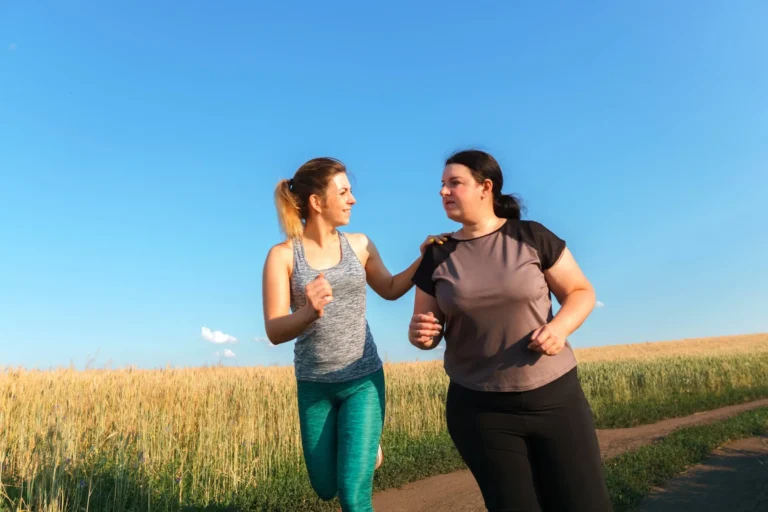
New UK research finds friendship, confidence and mental wellbeing are major reasons people across generations join gyms and leisure centres.
New UK research suggests gyms and leisure centres are serving a broader purpose than exercise alone, with friendship, confidence and mental wellbeing motivating people across generations.
Walking into a gym alone can be the hardest part of the session. New UK research suggests that may help explain why making friends at the gym matters to far more people — and far more age groups — than the familiar ‘gym bro’ stereotype would have us believe.
More than half of Millennials (53%) and Gen Z adults (51%) said making new friends was an important factor in joining a gym. The figures fall with age, but hardly disappear: 37% of Gen X and 35% of Baby Boomers said the same.
Women are firmly part of the picture too, with 47% saying friendship was important.
The findings, released by ukactive for National Fitness Day on 16 September 2026, point to something easily overlooked in discussions about exercise. People may arrive wanting to become stronger or fitter, but many are also looking for company, confidence and somewhere they feel they belong.
The social side of fitness crosses generations
The research was conducted by Savanta among 6,395 UK adults aged 18 and over between January and July 2026. The data were weighted to be nationally representative by key demographics including age, gender, region and socio-economic grade.
Its most interesting finding is not that younger adults see gyms as social spaces. That is increasingly familiar territory. It is how far the same motivation extends into older generations.
Cameron Saunders, CEO of ukactive, said: “The physical and mental benefits of being active are well known but our findings show people of all ages are also looking for friendship and community in the gym.”
For Gen Z and Millennials, that social pull is particularly strong. But one in three Baby Boomers considering friendship important when joining a gym makes the idea considerably harder to dismiss as a youth trend.
It also suggests that the appeal of a fitness facility cannot be reduced to equipment, classes and changing rooms. The people already inside matter too.
Confidence may be the common thread
Friendship is only part of the story. Across all ages, 74% said improving their overall confidence was an important factor in joining a gym.
That motivation was strongest among Millennials at 81%, followed by Gen Z at 76%, Gen X at 72% and Baby Boomers at 59%.
There is an interesting tension here. Gyms may help people build confidence once they are through the door, yet lacking company can be one reason they hesitate to walk through it in the first place.
Among people who said they were not confident enough to join a gym, 31% said it was because they did not have anyone to go with.
That gives the social side of exercise a practical significance. A training partner is not necessarily just someone to chat to between sets. For some people, having somebody alongside them may make starting feel more manageable.
Mental wellbeing matters alongside strength and appearance
Traditional fitness goals remain prominent. Strength and fitness were rated as important by 83% overall, while 78% cited improving their physical appearance.
But those familiar motivations now sit alongside a much broader set of reasons for being active.
Improving mental health and wellbeing was important to 84% of Millennials, 76% of Gen X, 75% of Gen Z and 59% of Baby Boomers.
Managing a health condition was also cited by sizeable proportions of every generation: 64% of Millennials, 60% of Gen Z, 54% of Gen X and 52% of Baby Boomers.
Appearance, meanwhile, appears considerably less influential among the oldest group surveyed. While 85% of Millennials, 79% of Gen X and 75% of Gen Z considered improving appearance important, the figure among Baby Boomers was 58%.
These motivations do not have to compete. Someone can want to become stronger, feel better about their appearance, manage their wellbeing and meet people at the same time. The survey’s value lies in showing how much more complicated the decision to exercise can be than a simple ambition to “get fit”.
The person beside you may matter more than expected
The social findings arrive as UK health and fitness club membership has reached a record 12.2 million people, according to ukactive.
That is a substantial fitness community, but membership numbers alone do not tell us whether people feel comfortable joining it. The finding that almost a third of people lacking confidence to enter a gym say they have nobody to accompany them points to a more personal obstacle.
Saunders said: “Trying something new can sometimes feel daunting but our research shows many of us are in the same boat, looking for peer support and a community which can really help us stay active.”
That makes inclusive classes, group activities and beginner-friendly events more than convenient additions to a timetable. They can offer a way into exercise that feels less solitary.
National Fitness Day offers an easier first step
That idea sits neatly with National Fitness Day, which will see gyms, pools, leisure centres and sports clubs host thousands of free activities around the UK on 16 September.
Led by ukactive and supported by its members, the campaign says an average of 10 million people take part each year in activities across England, Scotland, Wales and Northern Ireland. Its 2026 theme, ‘Powered by you!’, is intended to emphasise participation regardless of age, background or ability.
The occasion provides a reason to try something unfamiliar without treating the first visit as a solemn commitment to an entirely new lifestyle.
And for anyone reluctant to arrive alone, the research offers perhaps the most useful reassurance of all: plenty of other people are looking for connection too.