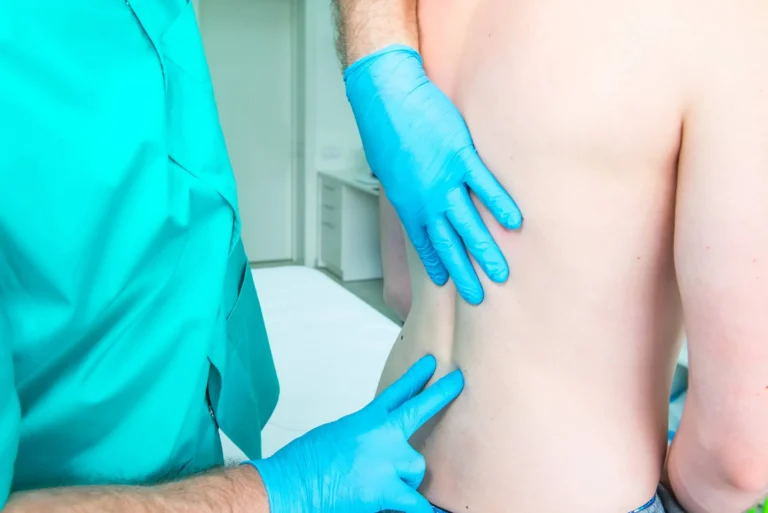
Discover how personalised, integrative pain care treats the root cause, not just symptoms, for lasting relief and better quality of life.
Let’s get one thing straight—pain isn’t just about what hurts. It’s about how it affects your day, your sleep, your mood, your work, and your relationships. That’s why one-size-fits-all treatments don’t work for everyone.
Whether your pain stems from a sports injury, post-surgical recovery, or something more complex like fibromyalgia, the path to feeling better should reflect your life, not just a generic chart.
That’s where personalised, integrative care steps in. Clinics that offer pain management in Spokane and other progressive cities are moving away from cookie-cutter treatments.
Instead, they focus on building care plans that are as unique as the people they’re designed for—taking into account medical history, lifestyle, mental wellness, and personal goals.
So what does that actually look like? And why does it make such a difference?
Why Personalised Pain Care Matters
Pain Is Personal—So Should Be the Approach
Chronic pain is frustrating enough without feeling like you’re stuck repeating the same story to different providers. Integrative clinics take time to listen. They look beyond the surface, asking questions that connect the dots:
- How long has the pain been affecting you?
- What makes it better or worse?
- What activities has it stopped you from enjoying?
These questions lead to something more than just a diagnosis—they lead to a real conversation. Personalised care means your treatment is shaped around your experience, not a textbook.
Not Just What Hurts—But Why It Hurts
Integrative providers dig into the why behind your pain. They explore possible underlying conditions like inflammation, nerve issues, stress overload, or even poor posture from working long hours at a desk.
They don’t just treat the pain—they treat what’s causing it. That’s a major shift from traditional models that often stop at prescribing a painkiller and moving on.
The Integrative Approach: A Whole-Person View

What Is Integrative Pain Care?
At its core, integrative pain care means blending modern medical treatments with complementary therapies that support healing from multiple angles. It’s science-backed, patient-centred, and completely tailored.
Some common components include:
- Interventional procedures like nerve blocks or spinal injections
- Physical therapy to rebuild movement and strength
- Nutritional guidance to reduce inflammation
- Cognitive behavioural therapy (CBT) to manage pain perception and mood
- Alternative therapies like acupuncture or massage
The goal is to create synergy between these approaches—not overload the patient with options, but offer a focused combination that makes sense for them.
Think of It Like a Toolbox
You wouldn’t fix every home repair with a hammer. Likewise, chronic pain isn’t solved by just one tool. Integrative care offers a full toolbox, and your care team helps you choose the right tools for your body, lifestyle, and goals.
Building the Right Team Makes a Difference
Meet Your Pain Care Squad
One of the best parts about integrative pain clinics is the collaboration. You don’t just have one doctor—you have a team. This often includes:
- Physicians and pain specialists
- Physical therapists
- Mental health professionals
- Nutritionists
- Rehabilitation experts
They work together to keep your treatment plan moving forward. That means fewer gaps in communication and more holistic care that actually feels connected.
You’re the Most Important Voice
Integrative care puts you at the centre of the process. You’re encouraged to speak up, ask questions, and even adjust your goals as you go. The care team checks in regularly—not just to track pain levels, but to make sure you feel heard and supported.
Getting to the Root Instead of Masking the Problem
Medications Are Just One Part of the Puzzle
For many people, medications play an important role in pain relief. But integrative care doesn’t stop there. It views meds as a temporary tool—not the whole plan. If pain meds are used, it’s with caution, purpose, and a long-term goal of either reducing or phasing them out when safe and possible.
Instead of masking symptoms, integrative care aims to fix or manage what’s driving them—whether it’s spinal misalignment, a muscle imbalance, or even chronic stress.
The Role of Mind-Body Connection
Pain doesn’t just live in the body—it lives in the nervous system. That’s why stress, anxiety, and depression can all worsen pain. Integrative care includes tools like mindfulness, breathing techniques, and counselling to help reframe how pain is processed. It’s not about pretending it doesn’t hurt. It’s about helping your body and brain work with you, not against you.
Milestones Over Miracles: What Progress Looks Like
Progress Is Personal, Too
Everyone wants fast results—but real recovery is often made up of small wins.
- Walking an extra block without pain
- Sleeping through the night
- Being able to pick up a grandchild again
These wins matter. Integrative clinics help patients track functional improvements, not just pain scores. Feeling better isn’t only about a number—it’s about what you can do again.
Setting Realistic, Meaningful Goals
Patients are encouraged to set clear, meaningful goals from day one. Not vague resolutions like “feel less pain,” but specific ones like:
- Return to yoga class within two months
- Reduce migraine days from ten per month to three
- Wean off daily ibuprofen safely
These goals guide your care and give you (and your team) something concrete to aim for.
Who Benefits Most from Personalised Integrative Pain Care?
Chronic Pain Conditions
From arthritis and fibromyalgia to migraines and lower back pain, personalised care plans can provide better long-term management than medication alone. They help reduce flare-ups, manage inflammation, and improve quality of life.
Post-Surgical or Injury Recovery
Surgery may fix the structural issue, but rehab and recovery require more. Integrative care helps support tissue healing, mobility, and emotional well-being during recovery.
People Who’ve “Tried Everything”
If you’ve bounced from one specialist to another, you’re not alone. Integrative care often helps those who’ve been told “there’s nothing more we can do.” When treatment is layered, consistent, and personalised, many people finally see progress.
How to Know If an Integrative Clinic Is Right for You
Not every pain clinic takes this kind of whole-person approach. When looking for care, ask questions like:
- Will I get a personalised treatment plan?
- Is care coordinated across providers?
- Do you offer support beyond medication?
- Can I set functional goals?
You deserve care that sees you as a person, not a diagnosis.
Final Thoughts: Your Pain Is Valid, and So Is Your Path
Pain has a way of making you feel isolated, but you don’t have to go it alone—and you definitely don’t have to settle for one-size-fits-all care.
Whether you’re newly experiencing discomfort or have been dealing with chronic issues for years, personalised, integrative pain care gives you a path forward.
It’s not about promising instant miracles—it’s about building a plan that fits you and sticking with it, together.
Because your story matters. And so does how it ends.