Most post-workout knee aches settle with rest. A few come with tell-tale signs that something inside the joint deserves a closer look.
Anyone who trains regularly knows the feeling. A heavy leg day, a hilly run or a five-a-side match on a hard pitch, and the next morning one knee feels stiff and grumpy. Usually it eases within a day or two and is forgotten by the next session.
Sometimes, though, the knee keeps sending messages. It swells after every run, clicks on every squat or occasionally seems to catch, as if something is getting in the way. Those are the moments when it is worth thinking about the cartilage.
Two kinds of cartilage, two kinds of problems
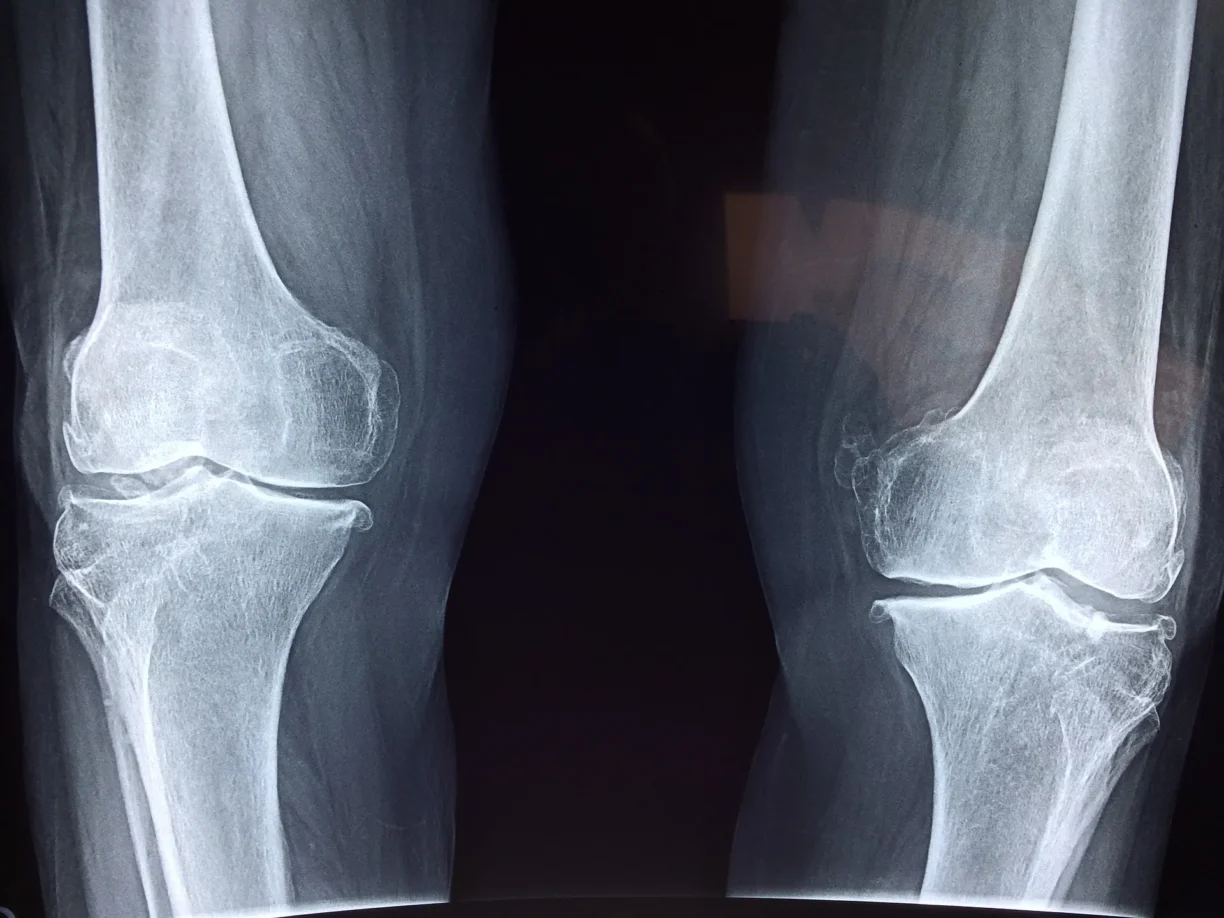
The knee contains two different types of cartilage. The menisci are two rubbery, C-shaped discs that sit between the thigh bone and the shin bone and act as shock absorbers. Then there is the articular cartilage, the smooth, glassy layer that covers the ends of the bones and lets the joint glide.
Meniscus tears often follow a twisting movement on a bent knee, the kind that happens when changing direction in football, netball or tennis. Articular cartilage damage can follow a single knock or fall, a kneecap dislocation, or build up gradually over years.
The trouble is that articular cartilage has very little blood supply. It does not repair itself well, which is why an injury that seems minor at the time can cause problems long after.
The signs worth paying attention to
Clicking on its own is rarely a concern. Many healthy knees make noise, and painless clicking is usually harmless. What matters is the company it keeps.
Swelling that appears after activity, particularly if it keeps coming back, suggests the joint is irritated. Catching or locking, where the knee briefly gets stuck or refuses to straighten fully, can mean a loose flap of meniscus or cartilage is getting caught. A sense that the knee might give way, pain on one specific side of the joint, or pain that worsens with twisting and deep squats are also worth noting.
The NHS advises seeing a GP if knee pain does not improve after a couple of weeks or if the knee is very swollen, painful or difficult to move.
What usually happens next
Most people start with a GP or a physiotherapist. A clinical examination often gives a good idea of what is going on, and an MRI scan may be arranged if a meniscus or cartilage injury is suspected.
Plenty of cartilage problems are managed without surgery. A structured programme to strengthen the quads, hamstrings and hip muscles takes load off the joint, and training can often continue with sensible changes, such as swapping deep squats and running on hard surfaces for cycling or swimming for a while.
When symptoms persist despite good rehabilitation, or the knee keeps locking, an orthopaedic surgeon may discuss procedures to trim or repair a torn meniscus or treat a damaged area of articular cartilage. For smaller, well-defined defects, cartilage repair options range from techniques that stimulate the bone beneath the defect to produce new repair tissue, often supported by a scaffold, to grafting procedures for larger areas. Recovery from these operations takes patience: several weeks on crutches and a gradual return to impact work is typical.
Listen to the knee, not the ego
The instinct for many active people is to push on and hope a niggle goes away. With muscle soreness, that is often fine. With a knee that swells, locks or gives way, it can turn a manageable problem into a bigger one.
A knee that keeps complaining is not being dramatic. It is asking for a proper look, and the sooner it gets one, the more options there tend to be.