
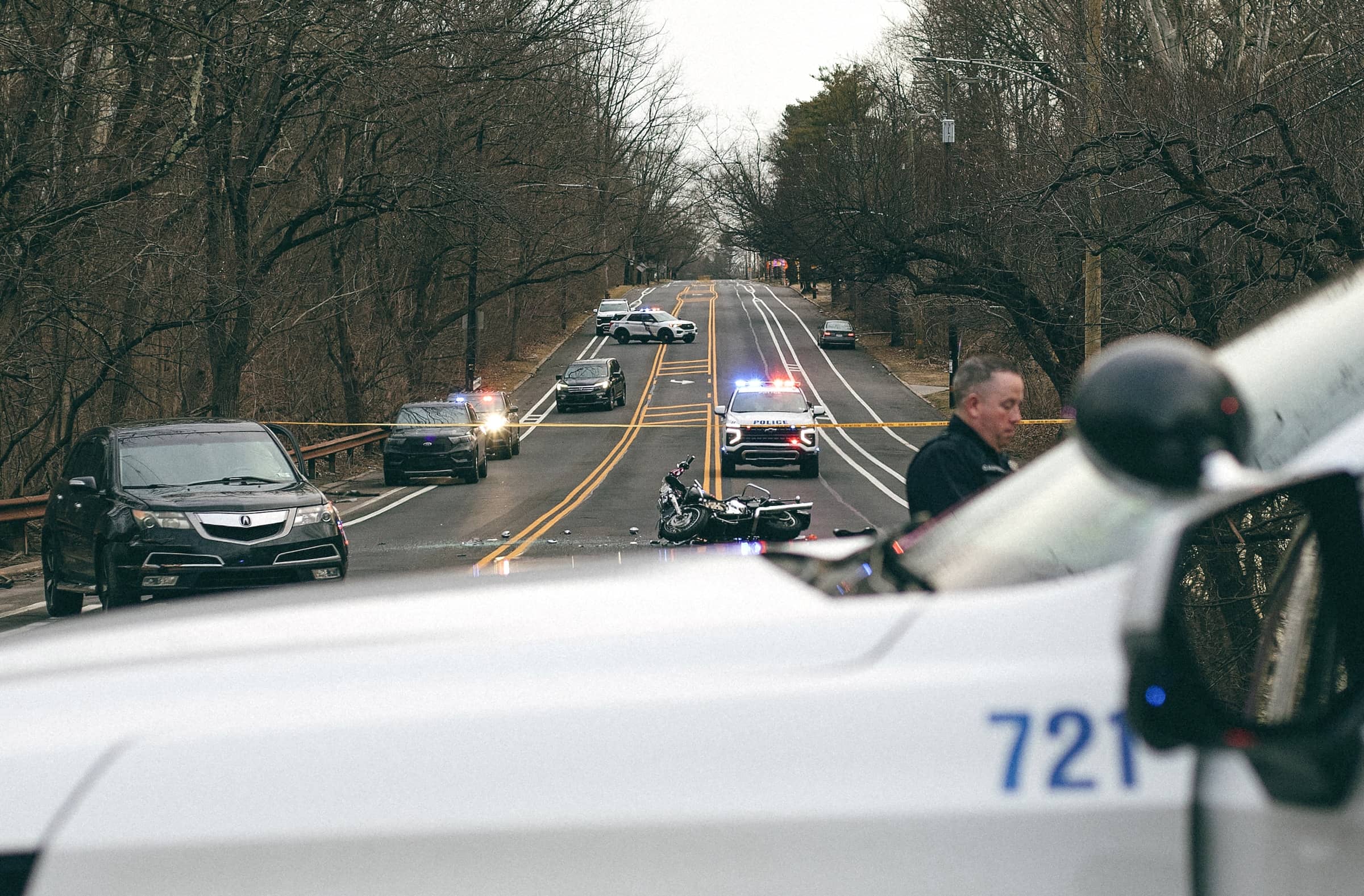
A routine ride through Little Rock can change in an instant when a driver misjudges a motorcycle’s speed or overlooks it at an intersection. In 2025, Arkansas recorded 569 traffic fatalities statewide. That same year, a motorcyclist died in a collision near Colonel Glenn Road in Little Rock. Another fatal motorcycle crash occurred at the intersection of Markham Street and John Barrow Road. These incidents highlight the risks riders face when vehicles cross their path or turn without yielding.
Unlike occupants of passenger vehicles, motorcyclists have little physical protection in collisions. At busy Little Rock intersections, left turns, sudden lane changes, obstructed views, and distracted driving can leave riders with very little time to react. A motorcycle accident lawyer in Little Rock may help injured riders explore their legal options when another driver’s negligence contributes to a crash. Examining these intersection-specific hazards reveals why visibility, right-of-way violations, and clear evidence matter when determining responsibility and pursuing compensation.
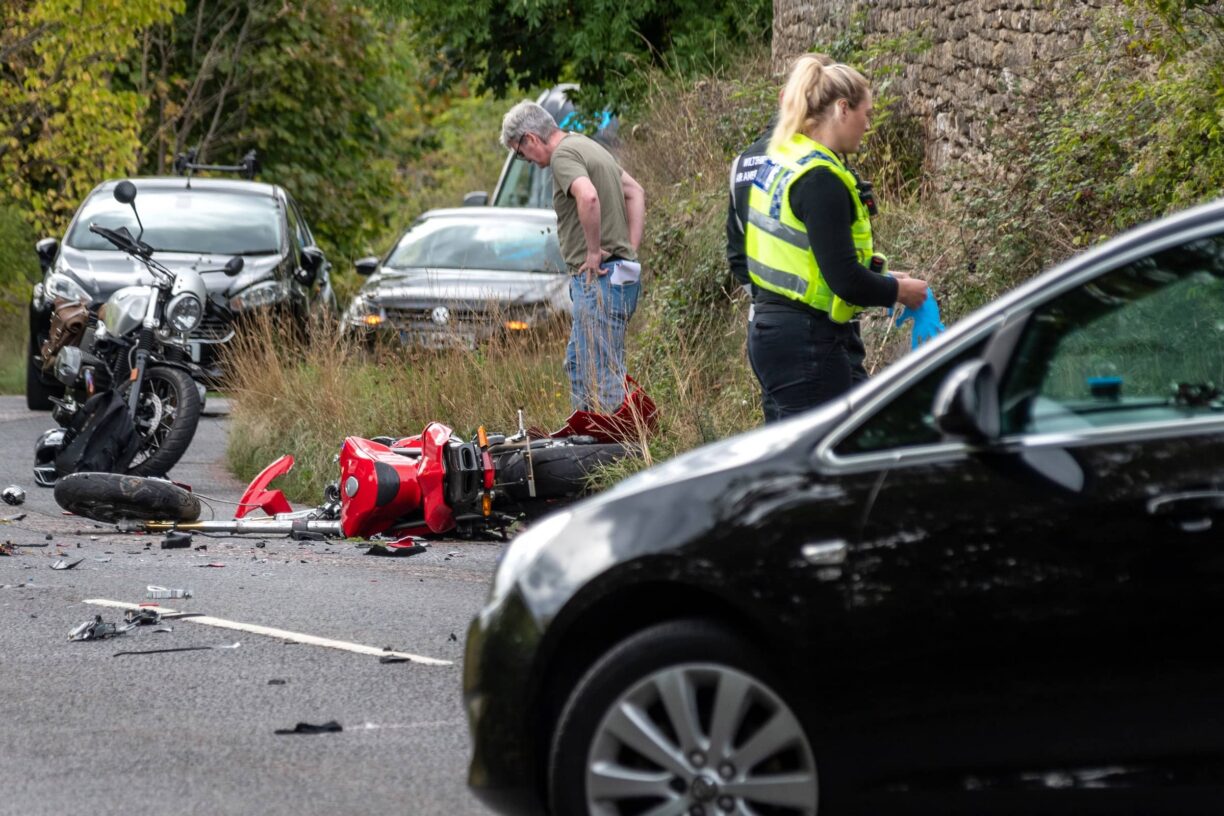
- Limited Visibility
At intersections, drivers scan for larger vehicles and often miss motorcycles. A rider occupies less visual space, especially beside a stopped car or near a vehicle’s front pillar. Sunlight, glare, rain, and crowded signs further reduce visibility. A driver who looks once can miss a motorcycle before turning across its path.
Motorcycles also lack a protective cabin that absorbs impact energy. A side collision can throw a rider onto pavement, into another lane, or against a fixed object. Even a helmet cannot prevent every injury, and exposed arms, legs, and torso come into direct contact with vehicles or roadway surfaces.
- Turning Vehicles
Left-turn crashes deserve special attention because an approaching motorcycle can remain hidden behind a car until the last second. Turning drivers incorrectly judge distance and speed, then cross a rider’s lane. A rider has little room to brake or swerve without losing control. The collision often occurs near the center of the intersection.
A vehicle turning right creates a related hazard when it moves across a motorcycle’s line. The driver might focus on pedestrians or traffic approaching from the opposite direction. A motorcycle beside the vehicle then disappears from the driver’s view. Contact with a front corner or rear quarter panel causes a sudden fall.
- Signals and Lane Changes
Intersection signals and signs do not eliminate risk. A driver who runs a red light enters a crossing while another traffic stream has the right of way. Motorcycle riders face serious exposure because crashes often occur at the side (of the bike) or directly ahead. Signal timing, lane arrows, and witness accounts can show who had permission to proceed.
Lane changes create another hazard when a driver moves without checking a motorcycle’s position. A rider can sit in a blind spot beside a vehicle, then face contact as the vehicle crosses the lane line. Motorcycles also accelerate and brake differently from passenger cars, so a driver’s distance estimate can be wrong.
- Severe Injury Patterns
Intersection impacts often cause more than visible bruising. A rider can suffer fractures, road rash, spinal damage, internal bleeding, or a traumatic brain injury. Some symptoms appear hours after the crash, so medical records should document the first examination and later treatment. Missing those records can make the injury timeline harder to establish.
Protective equipment reduces some harm, but it does not eliminate impact forces. Gloves, boots, jackets, and helmets cannot prevent every fracture or internal injury. Riders should replace damaged equipment after a collision and preserve it for inspection when its condition helps explain how the impact occurred.
- Proof of Fault
Insurance companies examine statements, photographs, vehicle damage, traffic controls, and medical records when reviewing an intersection claim. A rider’s lane position, speed, helmet use, and conduct may be closely reviewed. Evidence should be based on facts without assuming that motorcycle involvement proves fault.
Witnesses should provide contact information before leaving, while memories are still fresh. Riders should avoid guessing about speed or assigning blame during roadside conversations. A formal report, scene photographs, surveillance footage, and vehicle inspections can clarify whether a driver failed to yield, turned improperly, or changed lanes without proper care.
Immediate Steps After a Crash
A rider should report the crash, seek medical care, collect witness details, and photograph the scene if physical condition permits. The rider should also keep discharge papers, bills, prescriptions, repair estimates, wage records, and insurer communications.
Avoiding recorded statements before reviewing the facts prevents careless wording from affecting the claim. Prompt evidence preservation matters because vehicles get repaired, roadway conditions change, and witnesses become harder to locate.
Conclusion
Intersection crashes expose motorcycle riders to visibility errors, turning conflicts, lane changes, and severe impact injuries. Riders can protect their health and legal position by seeking medical care, documenting the scene, preserving damaged equipment, and recording witness information.
Anyone injured should avoid guessing about fault or accepting an early settlement before the full medical picture develops. A prompt case review can identify responsible drivers, available insurance coverage, and evidence needed to pursue compensation under Arkansas law.