Late World Cup kick-offs could wreck sleep. Here’s how UK fans can stay sharper, calmer and less zombie-like.
If you are wondering how to cope with tiredness after watching late-night World Cup games, you are not alone; across Britain, football fans are preparing for a tournament that may be magnificent for the soul and absolutely villainous for the alarm clock.
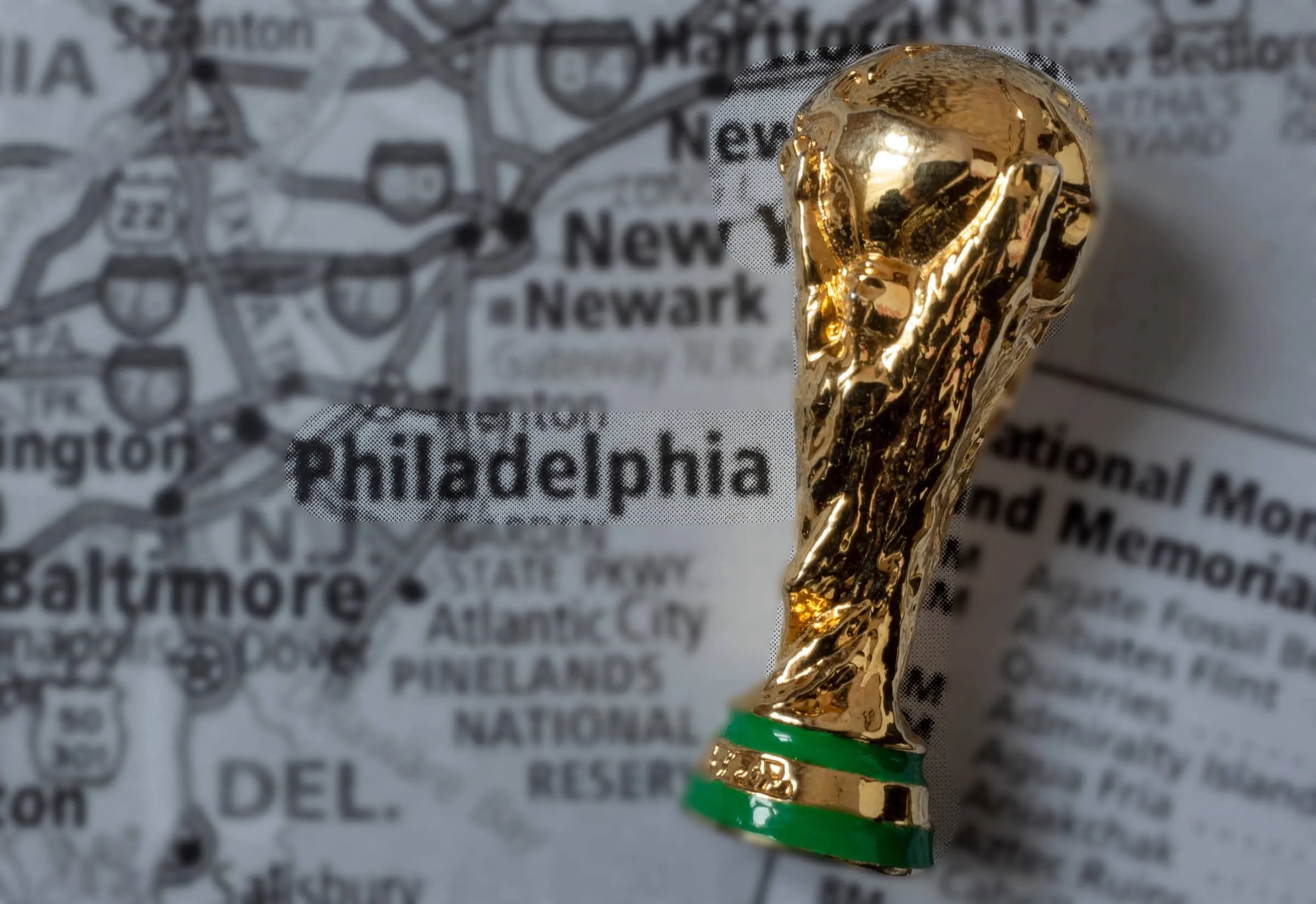
The 2026 FIFA World Cup is being staged across 16 cities in the USA, Canada and Mexico, with 48 teams and 104 matches spread across 13 different kick-off times. A sprawling festival of football, then. Also, for UK viewers, a month-long ambush on the body clock.
Because of North American time zones, many matches will land late in the evening or deep into the small hours for British viewers. Some group-stage games are scheduled after midnight BST, with others as late as 5 am. At that hour, the only things usually moving with purpose are foxes, bakers and people regretting their life choices.
One recent poll suggests 79% of Brits would give up sleep to watch. Noble, perhaps. Sensible, only if handled with care.
Why Late-Night Football Hits Harder Than Fans Expect
The problem with a World Cup is that it does not merely ask for your attention. It takes hostages: sleep, routine, judgement, hydration, and occasionally the ability to reply to an email without sounding like a concussed linesman.
Sleep is not decorative. It is not a luxury spa add-on for people with silk eye masks and no group chats. It is central to recovery, mood, immune function, concentration and reaction time.
Mike Wakeman, researcher, pharmacist and the brains behind Evera Nutrition, says: “Sleep supports our health including our immune function; allows the brain to consolidate memories and regulate emotions as well as restoring mental and physical energy as well as allowing the body to heal.
Even a few nights of reduced sleep can impair concentration, reaction times, decision-making and mood. Research has consistently shown that sleep restriction reduces alertness and cognitive performance in a manner similar to alcohol impairment.”¹
That last point should make a few managers shift uneasily in their ergonomic chairs. A nation of fans arriving at work after three hours’ sleep and a penalty shootout is not exactly a productivity masterclass.
The Adrenaline Problem
The cruelty of late-night football is that the final whistle does not necessarily mean sleep follows. If anything, the bigger the match, the harder it can be to switch off.
GP Dr Nisa Aslam, an adviser to Evera Nutrition, notes: “Adrenaline, emotional highs and prolonged exposure to bright screens can delay the body’s natural production of melatonin, the hormone that signals that it is time to sleep and as a result disrupt normal circadian rhtyhms.”
In plain English: your brain is not designed to watch a VAR review at 1.47 am, argue about it online, bathe itself in blue light, and then politely drift into restorative sleep like a Labrador by the fire.
Mike Wakeman continues: “Given that pubs are allowed to stay open in some instances until 2 am, many fans may also rely on alcohol or energy drinks to get through late-night matches, creating conditions that further disrupt sleep quality and next-day performance.”
There is the classic late-match trap: caffeine to stay awake, alcohol to celebrate or commiserate, and a phone screen glowing like a tiny judgmental moon. None of this is ideal preparation for the school run, the commute or an 8.30 am call about quarterly deliverables.
Beware The Afternoon Collapse
The morning after a late game may feel rough enough, but the real villain often appears after lunch. That is when the body’s natural dip in alertness tends to arrive, usually between 2 pm and 4 pm. Add a short night and it becomes less an afternoon slump and more a controlled demolition.
Mike Wakeman continues: “In these circumstances, although early morning tiredness is almost inevitable, the impact will likely be felt most strongly the following afternoon. This is because many people experience a natural dip in alertness between 2 pm and 4 pm due to circadian rhythms.
When this combines with reduced sleep, concentration, productivity and motivation can suffer significantly.³ This means that World Cup viewing habits can affect not only sleep quality but also daytime focus, energy and performance at work.”
That is the danger zone: the hour when spreadsheets blur, meetings elongate, and the vending machine begins whispering like a bookmaker with poor morals.
For anyone searching for how to cope with tiredness after watching late-night World Cup games, the answer is not heroic suffering. It is planning.
Sleep Hygiene Still Comes First
Supplements, routines and clever strategies can help, but the basics still matter: consistent wake times, less light before bed, sensible caffeine timing and moderation around alcohol.
Wakeman explains: “Evera Nutrition Deep Sleep combines nutrients and botanicals selected to support relaxation and healthy sleep patterns, including magnesium, saffron, lemon balm, passionflower, ziziphus, tart cherry and L-theanine.”
Dr Nisa Aslam notes: “For those struggling with issues around poor daytime concentration and mental performance following disrupted sleep, Evera Nutrition Focus & Energy combines B vitamins, magnesium, choline, N-acetyl-L-carnitine, tyrosine, PQQ and carefully selected botanicals to support mental performance, focus and energy metabolism. Although neither product is intended to replace healthy sleep habits, they may provide useful support.”
The important phrase there is “not intended to replace healthy sleep habits”. No capsule, powder or botanical blend can fully rescue a person who has decided, with great confidence and no foresight, to watch three matches, drink four pints and go to bed with the brightness setting on full nuclear sunrise.
Seven Ways To Survive The World Cup Without Ruining Tomorrow
1. Choose Your Matches Like A Grown-Up
You do not need to watch everything live. This is not a medieval test of loyalty. Pick the matches that matter most and use highlights for the rest.
2. Protect Your Wake-Up Time
Try to keep your morning wake-up time consistent, even after a late finish. It helps preserve your circadian rhythm and stops one bad night turning into a week-long sleep landslide.
3. Be Careful With Caffeine
Coffee, energy drinks and high-caffeine products can feel like allies during extra time. Six hours later, they may still be marching around your nervous system with a trumpet.
Avoid them within six hours of planned sleep whenever possible.
4. Keep Alcohol In Check
Alcohol may make you feel sleepy at first, but it often fragments sleep and reduces sleep quality later in the night.⁴ A celebratory drink is one thing; trying to sedate yourself into oblivion after a 3am kick-off is quite another.
5. Dim The Lights After The Match
Bright screens and household lighting can make it harder for the brain to move into sleep mode. After the match, turn down the glare, avoid the post-game scroll if you can, and give your body a chance to recognise that it is night, not a floodlit semi-final.
6. Plan For The 2 pm Slump
If you have had a short night, the afternoon dip may hit hard. Hydrate, eat a protein-rich lunch and take a brief walk outdoors. It is not glamorous, but neither is falling asleep while someone explains a slide deck.
7. Support Sleep And Focus Sensibly
If the World Cup schedule is battering your routine, support both sides of the equation: better sleep habits at night and sensible focus strategies the following day. Evera Nutrition Deep Sleep and Evera Nutrition Focus & Energy are positioned around those two needs, though neither should be treated as a substitute for proper rest.
The Smart Fan’s Final Whistle
The 2026 FIFA World Cup promises scale, drama and enough late-night football to test the devotion of even the most hardened supporter. For UK fans, the challenge is not just staying awake for the match. It is remaining vaguely useful afterwards.
In summary Mike Wakeman notes: “The World Cup only comes around once every four years. With a little planning for this year’s extravaganza, you can enjoy the football and still wake up feeling ready for the day ahead and stay alert throughout it.”
That, really, is the trick: watch the football, enjoy the madness, but do not let a 5 am kick-off turn you into office furniture with a pulse.