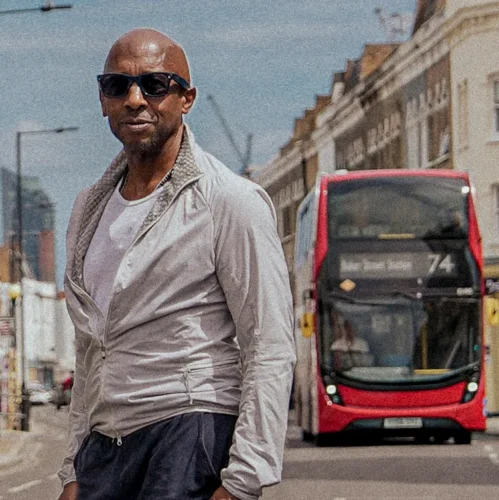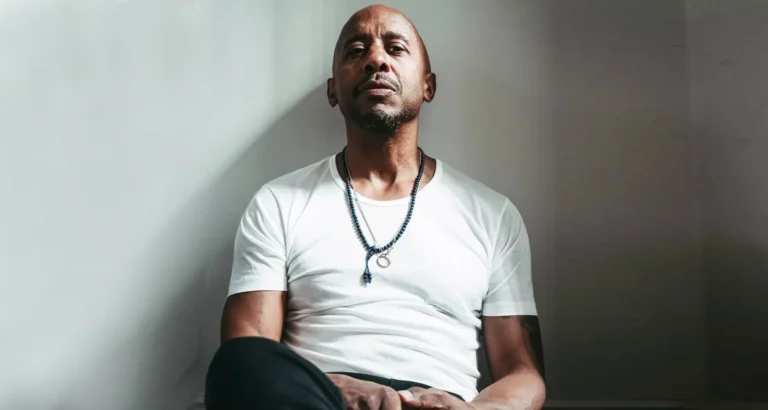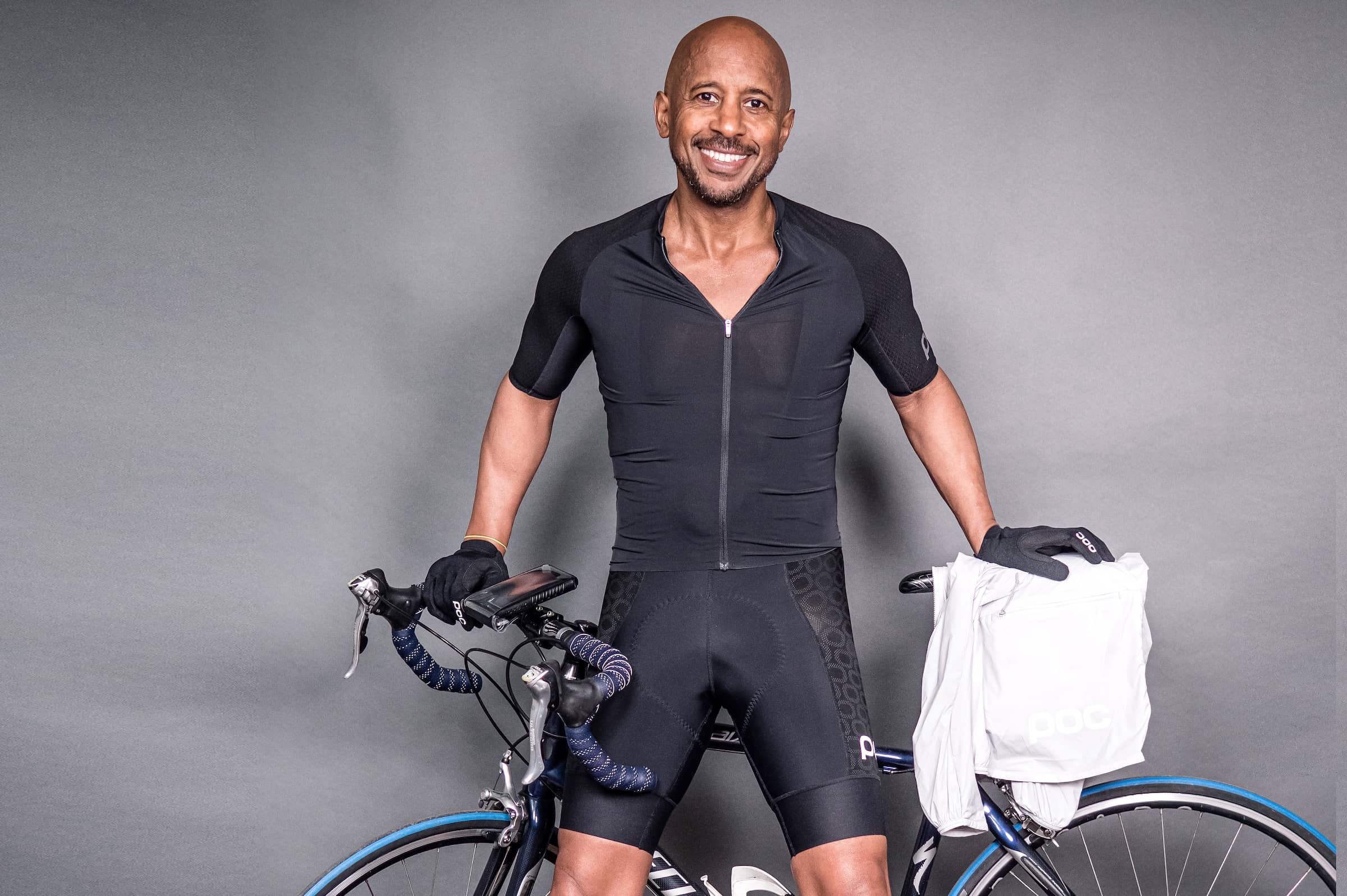
Meta-Age reframes public health through identity, participation and the quiet example of Nigel, a bus driver who keeps moving.
Identity, Not Behaviour: Why Public Health May Have Been Asking the Wrong Question
For decades, public health campaigns have followed a familiar formula. Eat less. Move more. Drink less. Stop smoking. The message is clear. The logic is sound. Yet despite billions spent and countless campaigns, lifestyle-related illness continues to place an enormous burden on the NHS.
For much of my professional life, I have worked with people trying to change. Some were complete beginners. Others were Premier League footballers, professional boxers and elite athletes. Although their goals were different, I kept noticing the same pattern. The people who sustained success were rarely those with the most information. They were the people who had become a different kind of person.
At the time, I didn’t have a name for it.
Looking back, I realise Meta-Age wasn’t an idea that appeared overnight. It was the name I eventually gave to a pattern I’d been observing for decades.
Years later, I met Nigel.
Nigel is a bus driver. Every day he helps keep a city moving. Then, after hours sitting behind the wheel, he chooses to keep himself moving. He drives to David Lloyd, trains, smiles, says hello and makes people feel seen. Not because anyone expects him to. Not because an app reminds him. Not because he’s chasing a reward. He does it because that’s simply who he is.
When we first spoke, I explained the philosophy behind Meta-Age. He smiled and said maybe he could be a Meta-Ager. In my mind, he already was. Rather than tell him, I took him through the Meta-Age questionnaire. His answers revealed exactly what I had expected: curiosity, responsibility, consistency and participation. The questionnaire didn’t create those qualities. It recognised them.
That may seem like a small distinction, but I believe it changes everything.
Most public health initiatives begin with behaviour. Walk more. Exercise more. Eat better. Meta-Age begins somewhere else. Identity. If someone believes they are the sort of person who participates, the behaviour becomes an expression of that identity rather than another instruction to remember. Nigel doesn’t exercise because someone tells him he should. He exercises because participation has become part of who he is. The behaviour follows the identity.
That doesn’t mean identity is the only influence on health. Circumstances matter. Income matters. Opportunity matters. Health, family responsibilities and environment all shape the choices people can make. But after decades of coaching and observing people from every walk of life, I have come to believe we have a legitimate question worth exploring. What if sustained health behaviours are more likely to emerge from identity than from repeated motivation alone?
It’s a question that deserves to be tested, challenged and debated. Because if the answer is even partly yes, it changes how we think about public health.
The NHS doesn’t need millions more elite athletes. It doesn’t need millions more CEOs. It needs more people like Nigel. People who quietly choose participation over withdrawal, day after day, year after year, not because someone reminds them to, but because they no longer see themselves any other way.
Nigel may never stand on an Olympic podium. He may never run a global company. He may never appear on television. Yet every day, in the changing rooms at David Lloyd and on the buses of his city, he demonstrates something I have spent a lifetime observing.
Perhaps people like Nigel have been all around us for years. We simply never had a name for them.
Participation over withdrawal.
Not simply as a behaviour to adopt, but as an identity to recognise.