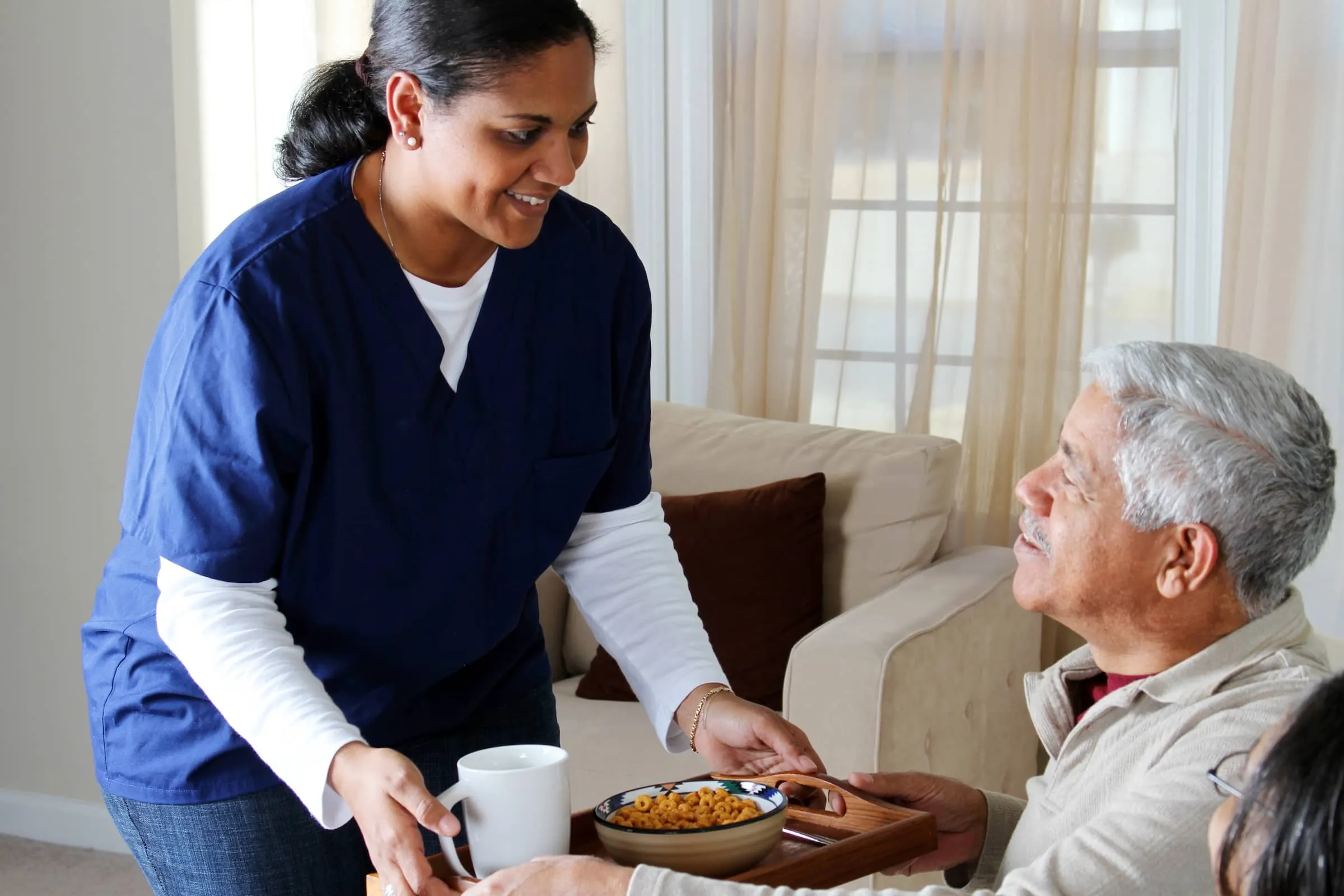
From helping someone out of bed to explaining their medication, the quality of home care often comes down to everyday interactions. New patient satisfaction measures are putting those moments under closer scrutiny.
A client satisfaction survey rarely asks about training. It asks whether the person who came to the house was gentle, respectful and easy to understand.
Those answers depend on skills a caregiver learns, practices and has been checked by a supervisor.
For home-based care organisations, that makes training one of the clearest levers on the experience clients report.
This guide links the questions clients answer to the skills behind them, and shows how to build training and supervision that hold up visit after visit.
Key takeaways
- Satisfaction surveys ask about gentleness, respect, listening and medicines, and each of these rests on skills caregivers can be trained in.
- The revised Home Health Care CAHPS Survey, in use since April 2026, adds questions on whether staff cared about the patient as a person and kept family informed.
- Online courses build knowledge, while observed competency checks confirm the hands-on skills clients notice.
- Reading results measure by measure points supervisors to the skill that needs attention.
What client satisfaction surveys actually ask

For Medicare-certified home health agencies, the main yardstick is the Home Health Care CAHPS (HHCAHPS) Survey.
CMS publishes the results on the Medicare.gov Care Compare tool and updates them quarterly, and consumers can use the data and star ratings when choosing an agency.
The survey also feeds into home health quality incentive payment programs.
Agencies that served 60 or more survey-eligible patients in the reference period must take part to receive their full annual payment update.
CMS introduced a revised 25-question version in April 2026, replacing the 34-question original.
The Care of Patients measure now asks how often staff seemed to care about the patient as a person and whether the agency’s services helped the patient take care of their health. Seeing a client as a person often means supporting the routines, relationships and interests that give them a sense of purpose and participation, not only completing the tasks on the care plan.
The communications measure adds a question on whether staff gave family or friends as much information about the patient’s care as they wanted.
Home safety, medicine review and medicine side effects now stand as separate measures.
HHCAHPS covers patients of Medicare-certified agencies, so private-duty agencies outside that system are not part of it.
Its questions still describe what clients notice on any home visit: how they were handled, how they were spoken to and whether they were kept informed.
The skills behind each survey answer
Federal rules for home health aides at Medicare-certified agencies list the subjects aide training must cover. Many of them line up directly with what HHCAHPS asks.
Gentle, safe handling
The Care of Patients measure has long included a question on how gently staff treated patients. Aide training must cover safe transfer techniques and ambulation, along with normal range of motion and positioning. Small technique choices matter here.
MedlinePlus advises never moving a person up in bed by grabbing under their arms and pulling, and notes that it takes at least two people to move someone up in bed safely. These are the details a client feels.
Courtesy, privacy and respect
The same measure has also asked how often staff showed courtesy and respect.
Training must address the needs of the people an agency serves, including respect for their privacy and property, as well as safe techniques for bathing, oral hygiene and toileting.
Infection control belongs here too: the CDC states that wearing gloves is not a substitute for hand hygiene, so caregivers should clean their hands after removing gloves.
Listening and clear explanations
Communication questions have asked whether staff explained things in a way that was easy to understand and listened carefully.
Aide training must cover communication skills, including reporting information to patients, their representatives and other agency staff. Clients living with dementia benefit from specific techniques.
For the middle stage of Alzheimer’s, the Alzheimer’s Association recommends asking one question at a time, using yes-or-no questions and holding one-on-one conversations in a quiet space.
Medicines and home safety
Medicine review is now its own measure, asking whether someone from the agency reviewed the prescribed and over-the-counter medicines the patient was taking.
Aides don’t lead that review, but their duties can include assistance with medications ordinarily self-administered, and they must report changes in a patient’s condition to a registered nurse or other appropriate skilled professional.
A caregiver who spots a new pill bottle on the counter and mentions it to the nurse supports a more complete review.
Turn training into consistent care
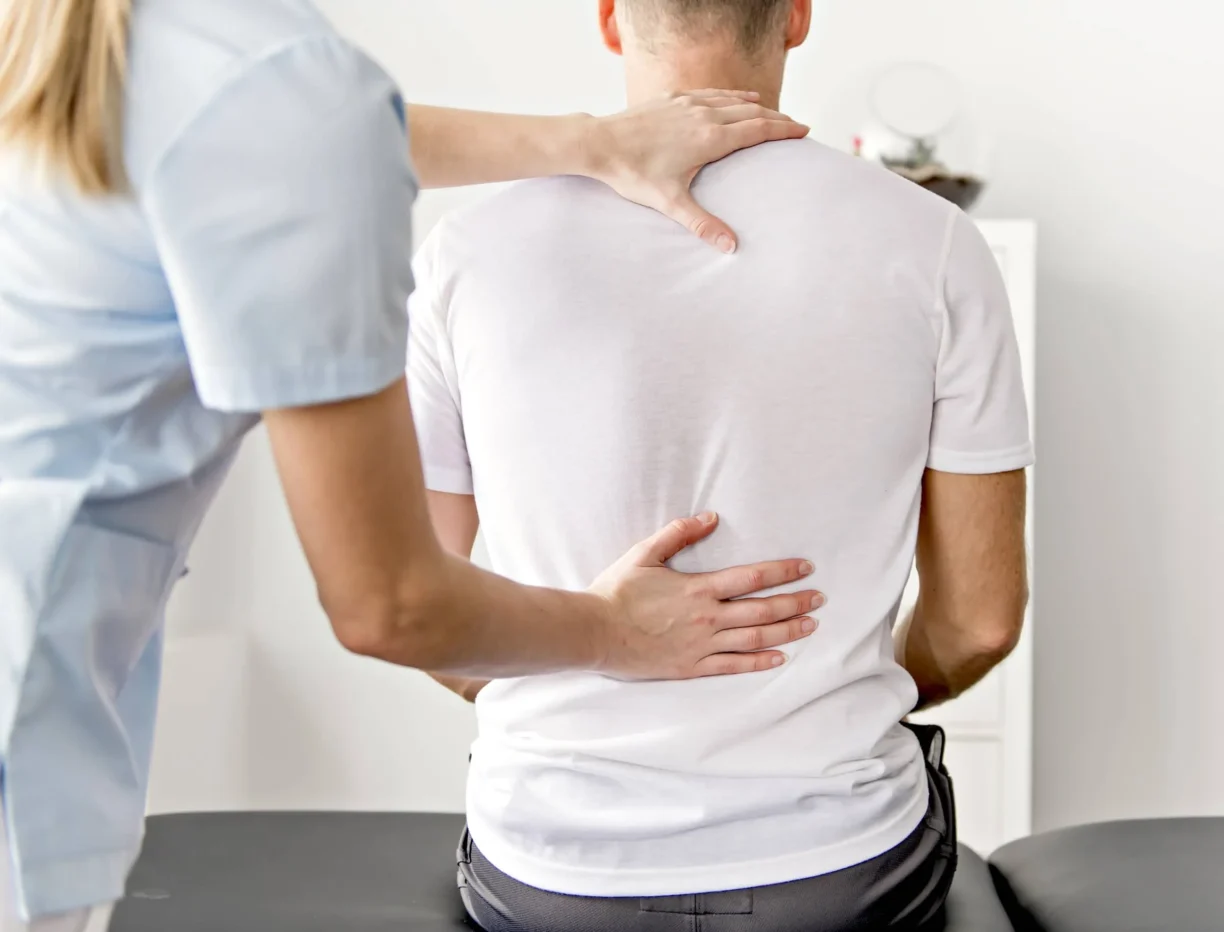
Federal minimums give the structure. A home health aide training program must total at least 75 hours, with at least 16 hours of classroom training completed before at least 16 hours of supervised practical training.
Each aide then needs at least 12 hours of in-service training in every 12-month period, and the agency must keep documentation showing both requirements are met.
State rules can add requirements of their own, so check your state’s regulations as well.
Keeping those schedules on track is where a dedicated platform helps.
For agencies that want online training for caregivers, CareAcademy Training from Activated Insights can automate onboarding and annual training schedules, assign classes based on state requirements and track caregiver progress in a centralised dashboard.
That gives supervisors more time to spend observing care.
Observation is the other half of the picture. Under the federal rule, competency in communication, personal hygiene, safe transfers and range of motion must be evaluated by watching the aide perform each task with a patient or a pseudo-patient.
An aide rated unsatisfactory on a task may not perform it without direct supervision by a registered nurse until they have been retrained and passed a new evaluation.
Supervision keeps skills current after onboarding. When a patient also receives skilled nursing or therapy services, a registered nurse or other appropriate skilled professional must complete a supervisory assessment of aide services at least every 14 days.
For patients receiving aide services only, a registered nurse must make an on-site visit every 60 days and observe each aide providing care twice a year.
When a deficiency is verified on site, the aide must complete retraining and a competency evaluation for that skill and all related skills.
Connect training records to survey results
Survey scores show where to look, and training and supervision records help explain why. Review results by measure rather than by overall rating alone, then match each measure to the skill and the check behind it.
| Survey measure | Skill to check | Evidence to review |
| Care of Patients | Safe transfers, positioning and respectful personal care | Observed competency results and supervisory visit notes |
| Communications | Clear explanations, careful listening and updates for family | Communication training records and client or family comments |
| Review Medicines | Reporting changes and medication assistance within the aide’s role | In-service records and reports made to the supervising nurse |
For patients receiving skilled services, the federal rule also requires an on-site visit to observe the aide at work whenever the supervising nurse notes a concern.
Pair what you see on those visits with the comments clients and families leave, and update training assignments when the same issue appears more than once.
Training clients can feel
Clients judge care by what happens in their own homes: how they are moved, how they are spoken to and whether their family stays informed. Each of those moments rests on a skill that can be taught, observed and refreshed.
Agencies that align training with the questions clients answer, confirm hands-on skills through observation and read survey results measure by measure give their caregivers a clear path to the kind of visit clients rate well.
FAQ
Does caregiver training directly change HHCAHPS scores?
The survey doesn’t ask about training itself. It asks about experiences such as gentleness, courtesy, listening and medication review, and many of those rely on subjects that federal aide training rules require. Treat training as one input alongside staffing, scheduling and supervision.
How much training does a home health aide need?
At Medicare-certified agencies, aide training must total at least 75 hours, including at least 16 hours of supervised practical training that follows at least 16 hours of classroom training. Aides then need at least 12 hours of in-service training every 12 months. State rules may add further requirements.
When did the HHCAHPS Survey change?
CMS introduced a revised 25-question survey in April 2026. It adds questions on whether staff cared about the patient as a person and kept family or friends informed, and it splits home safety, medication review and medicine side effects into separate measures.
Do private-duty agencies take part in HHCAHPS?
No. HHCAHPS measures the experiences of patients receiving home health care from Medicare-certified agencies. Private-duty agencies can still use its questions as a guide when designing their own client feedback.