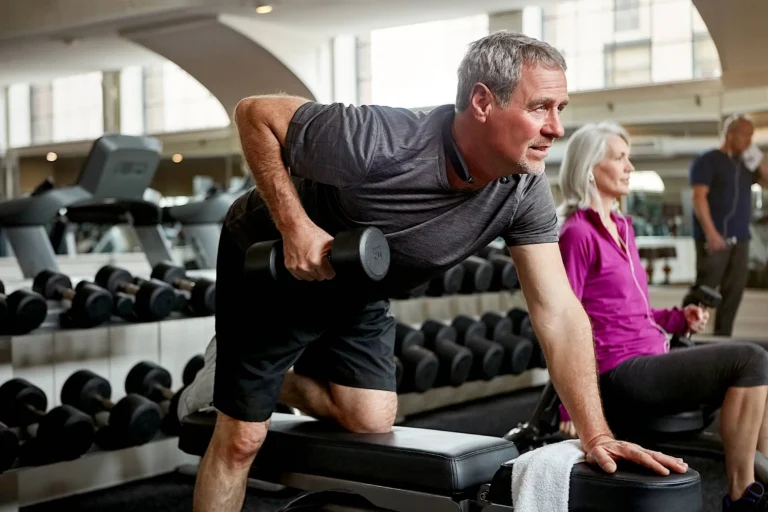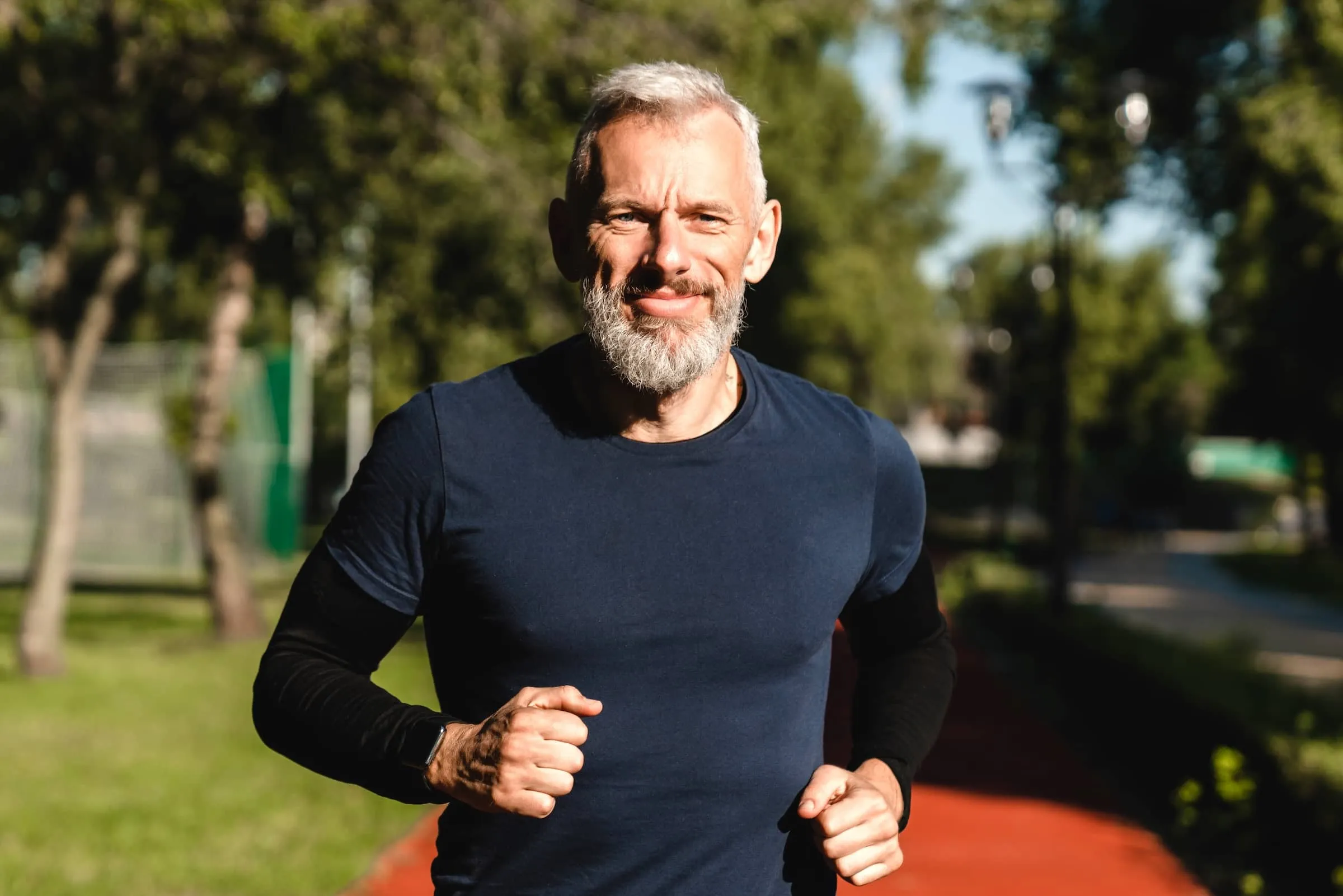
Years of demanding training can coincide with noticeable changes in facial volume and skin texture. From collagen-stimulating injectables to newer polynucleotide treatments, aesthetic medicine offers several approaches. But the science deserves a closer look before exercise gets the blame.
People rarely discuss the specific aesthetic cost of chronic cardiovascular stress. You push your body to physical limits and maintain an exceptionally low body fat percentage. The physiological tax of this demanding routine becomes visible directly on the face.
We see high-intensity training-related collagen loss consistently in clinical settings. The mechanical bounce of pavement running and the massive oxidative stress of high oxygen consumption accelerate facial ageing.
A 2021 clinical review in the Journal of Cosmetic Dermatology documented that patients engaging in high-impact cardio over four times a week experience accelerated degradation of dermal scaffolding. They lose the deep fat pads that keep the overlying skin looking taut.
We know that exercise-induced skin ageing and loss of volume occur because the body prioritises muscle repair and critical energy metabolism over skin structural integrity. The dermis starves while the muscles thrive.
The relationship between intense exercise and dermal health is surprisingly complicated. Moderate exercise improves circulation and generally benefits the skin. The problem arises when moderate activity crosses the threshold into extreme physical exertion.
Ultramarathon runners, competitive weightlifters, and high-intensity interval training enthusiasts routinely push their cardiovascular systems into prolonged states of stress. Cortisol levels spike during these intense sessions. Cortisol is catabolic; it actively breaks down tissues to free up energy for survival.
The body views a gruelling two-hour workout as a survival event. The dermis becomes a readily available fuel source.
To combat this rapid degradation, modern aesthetic medicine relies heavily on specific categories of injectables. These compounds operate completely differently than traditional dermal fillers that simply take up space under the skin.
The newer generation of injectables actually forces the body to do the hard work of tissue repair. Clinical practitioners require precise, reliable sourcing for these advanced materials to perform effective biostimulator injections for athletic facial volume.
Quality and consistency of the compound dictate the clinical outcome entirely. Practitioners typically acquire these treatments through a specialised Kinami Health injectable supplier to ensure they are getting medical-grade, properly formulated products. A dedicated supplier provides the raw chemical materials like PLLA and CaHA that clinics use to trigger deep dermal repair.
The structural integrity of the supplied microparticles must be exact to prevent immune rejection and ensure an even, predictable inflammatory response in the tissue. The supplier acts as the critical link connecting pharmaceutical manufacturing with clinical application.
Selecting the correct injectables is the foundation of any restorative treatment plan. The primary objective is precise dermal remodelling for athletic facial lipoatrophy. The face loses dense fat, so we need to stimulate the skin itself to thicken and contract over the bone.
Protocol 1: Poly-L-lactic acid (PLLA)
Poly-L-lactic acid (PLLA) collagen stimulation is perhaps the most heavily documented approach for global volume depletion. PLLA is a synthetic, biodegradable polymer. Medical professionals have used it for decades in dissolvable sutures and orthopaedic implants.
When introduced to the deep dermis, it causes a deliberate, controlled inflammatory response. Macrophages arrive first to assess the foreign particles. Fibroblasts then rush to the site in massive numbers. Over a period of several months, the body replaces the PLLA microparticles with its own Type I collagen.
The precise mechanism of PLLA is fascinating to observe at a microscopic level. The injection disperses thousands of tiny, jagged particles into the subcutaneous layer. The body immediately identifies these particles as foreign invaders. Subclinical inflammation begins within hours.
This is exactly what the practitioner wants. The inflammation triggers a cascade of healing factors. Over the next few weeks, the initial water volume of the carrier fluid is absorbed into the body. The patient might think the treatment failed because the initial plumping disappears.
The real work happens beneath the surface as the fibroblast cells begin laying down fresh, dense collagen fibres around each individual PLLA particle.
High-metabolism athletes burn through traditional cross-linked hyaluronic acid fillers at an astonishing rate. PLLA acts differently because it relies on the immune system rather than a static gel. Neocollagenesis in high-metabolism patients takes significant time to build but lasts much longer because the final product is the patient’s own organic tissue.
The clinical focus here is definitely not immediate gratification. The tissue architecture thickens gradually over a six-month timeline. Some patients do not see peak results until nearly a year after the initial session.
Protocol 2: Calcium hydroxylapatite (CaHA)
Sometimes the primary issue involves skin laxity and structural collapse rather than empty volume alone. Calcium hydroxylapatite (CaHA) biostimulators provide an immediate physical lifting effect while simultaneously acting as a rigid scaffold for new collagen generation.
CaHA consists of microscopic calcium particles suspended in a smooth aqueous gel carrier. The gel gives instant volume upon injection. The calcium particles then stimulate local fibroblasts to produce both collagen and elastin.
CaHA offers a unique rheology compared to other materials. Rheology refers to the physical properties of a gel, specifically its stiffness and viscosity. CaHA has a very high G-prime, which means it resists deformation under pressure. This stiffness makes it the perfect substitute for degraded bone or severe deep-fat loss along the jawline and cheekbones.
Some practitioners also use a hyper-diluted version of CaHA. They mix the thick gel with saline and lidocaine to create a thin, watery wash. They spread this hyper-diluted mixture just beneath the skin across the neck or chest to firm up thin, crepey areas without adding extra bulk.
Runners and long-distance triathletes often develop deep nasolabial folds and hollow temples due to repetitive impact and low body weight. CaHA works exceptionally well in these specific areas because it mimics the heavy minerals found in human bone.
The resulting tissue feels firm and highly structured to the touch. Collagen rebuilding treatments for active individuals often lean heavily on CaHA when the patient needs sharp structural definition rather than generalised facial plumping. The metabolic breakdown of CaHA is steady and predictable. Macrophages slowly dissolve the calcium over twelve to eighteen months.
Protocol 3: Polynucleotides
Dermatological science has shifted recently toward fundamental cellular repair mechanisms. Polynucleotide and skin booster protocols address the deep cellular damage caused by the extreme oxidative stress of rigorous daily workouts.
Polynucleotides are essentially highly purified fractions of DNA derived of salmon or trout sperm. They actively repair DNA damage in aged or metabolically stressed fibroblasts while simultaneously stimulating new collagen.
The science of polynucleotides represents a shift away from mechanical stimulation toward biochemical signalling. Free radicals run rampant in the body during intense cardiovascular output. These unstable molecules tear through healthy cells, damaging DNA and accelerating the ageing process. Polynucleotides act as powerful free radical scavengers.
They neutralise the damage while providing the exact molecular building blocks needed for cellular repair. Patients report a distinct change in the actual texture of their skin. It feels more resilient and less prone to the fine, static lines that typically form around the eyes and mouth of highly active individuals.
Think of them as a biological reset switch for exhausted skin cells. They increase local tissue hydration and promote angiogenesis; this is the physical formation of new blood vessels. Better blood flow means vastly better nutrient delivery to the starving skin.
This specific protocol targets the crepey, thinned-out skin texture that often accompanies extreme athletic conditioning. A standard protocol might involve several concentrated sessions spaced a few weeks apart to fully saturate the target tissue. The skin begins to look healthier and far less transparent.
Protocol 4: Hybrid Therapy
A single mechanism is frequently insufficient for severe cases of volume loss. The most aggressive biostimulatory protocols for collagen restoration now combine different chemical agents in the exact same session. A skilled practitioner might lay down a deep foundation of CaHA directly on the bone for rigid structure. They might then wash the superficial dermis with polynucleotides to improve overall skin quality and elasticity.
This tiered approach tackles the complex problem through multiple angles simultaneously:
- Deep structural support replaces lost fat and compensates for bone resorption.
- Superficial stimulation repairs oxidative damage and restores surface elasticity.
We have to treat the facial anatomy as a dynamic, interconnected system. Muscles pull on the skin constantly during heavy resistance lifting or intense cardiovascular output. A hybrid protocol ensures that the skin can handle that repetitive mechanical stress without breaking down prematurely. The result is a highly resilient, thicker dermis that withstands the physiological demands of a highly active lifestyle.
Final Thoughts on Structural Restoration
The aesthetic industry previously relied entirely on temporary camouflage. We filled holes with static gels and paralysed muscles with neurotoxins. Those older methods fail miserably for people who process calories at an accelerated rate.
The shift toward actual tissue regeneration represents a massive leap in medical therapeutics. We now focus on forcing the body to reconstruct its own lost scaffolding.
Athletes demand a lot from their bodies, and the skin often pays the heaviest price for that performance. Restoration requires patience. The biochemical reactions that build new collagen cannot be rushed or artificially accelerated.
You provide the right biological signal, and the body slowly executes the repair code. The clinic provides the chemical blueprint, but the patient’s own biology must manufacture the final product.