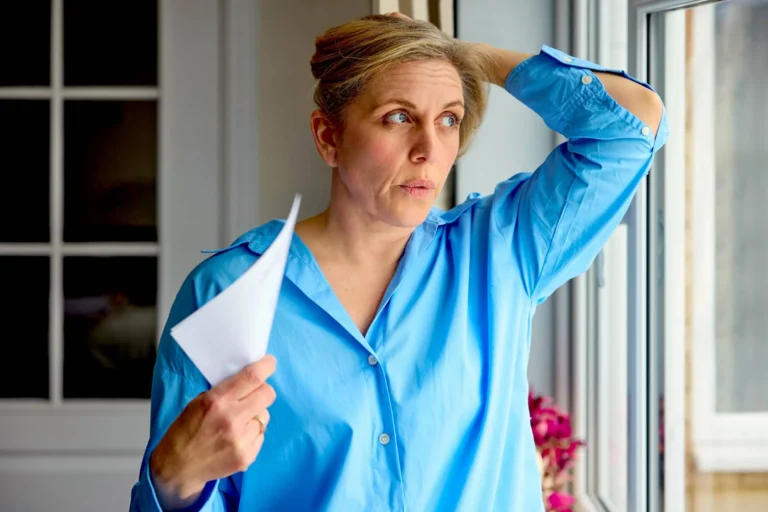
Research explains why women feel joint and muscle pain more often, and the simple habits that may help.
Aching joints are not just the preserve of creaky golf buggies, overambitious weekend warriors and anyone who has ever tried to assemble flat-pack furniture after the age of 40. New research suggests women are more likely than men to experience regular aches and pains, with everyday habits such as skipping stretches, eating lunch at the desk and collapsing onto the sofa adding their own small insults to the body’s already overworked machinery.
The report commissioned by topical pain specialists Deep Relief, written by pharmacist Noel Wicks and GP Dr Paul Stillman, found that more than six out of ten British women never bother to stretch during the day. Many also stay parked at their desks for lunch, a habit that might feel efficient but is about as kind to the hips and lower back as a February tee time in sideways rain.
The survey of 1,000 UK adults found that 60 per cent of women experience regular aches and pains, compared with 51 per cent of men. More than seven in ten women reported pain while sitting or standing, compared with six in ten men.
That is not merely a domestic grumble dressed up in statistics. The findings sit alongside international research reported in the Journal of Pain, which found that chronic musculoskeletal pain is more common in women than men.
Why Women May Feel Pain More Sharply

The gender pain gap is not a question of toughness. Nor is it evidence that men are heroic statues of endurance, despite what some may claim after mowing half a lawn with a slightly tight hamstring.
According to the Deep Relief ‘PSYCHOLOGY OF PAIN’ report, a mix of biology, hormones, stress, social expectations and early-life coping mechanisms may all play a role in how pain is felt, reported and managed.
Co-author of the report, GP and broadcaster Dr Paul Stillman says: “Women appear to have a higher pain sensitivity and a lower pain threshold than men, particularly for musculoskeletal pain. Women also suffer more back pain and painful conditions associated with the musculoskeletal system, such as fibromyalgia. These differences are due to a variety of genetic, psychological, biological and emotional factors.”
The report highlights biological differences in nerve and cellular responses, which may make women’s bodies more sensitive to pain. It also points to social conditioning: men are often expected to tolerate discomfort silently, while women may be more likely to acknowledge pain and seek help.
Steroid hormones also enter the picture. Testosterone is linked with pain tolerance, and men generally have higher levels than women. The report notes that changes in testosterone levels after the menopause, or when HRT is discontinued, may contribute to greater sensitivity to pain.
Interestingly, the report suggests that tolerance of pain does not appear to differ between boys and girls before puberty. In other words, biology, hormones and social expectations begin playing their mischievous little game later.
The Everyday Habits Making Aching Joints Worse
Aches rarely arrive with a brass band. They creep in quietly. A stiff neck after emails. A tight lower back after a commute. Knees that mutter darkly after a long day standing. Shoulders that appear to have been personally offended by your laptop.
The Deep Relief survey found that half of women take to the sofa for their TV fix. That is understandable. After work, family, errands and the thousand unseen jobs that keep a household functioning, the sofa looks less like furniture and more like a rescue vessel.
But long periods of sitting, poor posture and lack of movement can worsen muscle tension and joint discomfort. Add stress and poor sleep, and the body has the recovery capacity of a budget airline after a storm delay.
The report found that 85 per cent of women felt stressed by the demands of work and home. Nearly a third of women — 28 per cent — never do exercise that focuses on posture. Only seven per cent said they got a good night’s sleep and woke up refreshed, half the proportion of men at 14 per cent.
That is a bleak little scoreboard, and nobody is winning.
Pain Is Not Just Physical
Regular pain does not stay politely in one corner of the body. It spreads its influence into mood, sleep, memory, patience and relationships.
The report lists the mental health toll of repeated pain, including low mood and increased risk of depression and anxiety. It also highlights disrupted sleep, daytime fatigue and difficulties with memory and concentration.
A study at the University of Alberta is cited in the report as finding that pain can interfere with information processing and retention. Anyone who has tried to remember a password while their lower back is staging a protest will not find this especially surprising.
Pain can also affect relationships, including enjoyment of sex, interest in friendships and patience with children or elderly relatives. This is where aching joints and sore muscles stop being “just one of those things” and start affecting the rhythm and quality of daily life.
Why Talking About Pain Matters
There is, however, a useful sliver of optimism. Women may be more willing than men to discuss pain and seek advice, which matters because mild to moderate discomfort is often easier to manage before it becomes persistent.
Dr Paul Stillman adds: “The good news is that women are less afraid to talk about pain and have better understanding of how to tackle long-term pain. But there is a great deal more that women could do as I’ve detailed in my tips below.”
The report also found that half of women do not want to take oral painkillers because of the risk of adverse effects. That makes practical alternatives particularly relevant, including movement, stretching, massage, posture work, relaxation, sleep and topical pain relief applied directly to the painful area.
Mentholatum Deep Relief topical preparations are formulated in the UK and are applied directly to painful areas to help relieve symptoms. For people who prefer not to rely solely on oral analgesics, topical pain relief may be one option worth discussing with a pharmacist.
Joint author, pharmacist Noel Wicks, adds: “It’s vital to treat mild to moderate pain and muscle tension before it escalates causing chronic pain so speaking to your pharmacist is a good place to start. Massage, stretching, paying attention to posture, relaxation, exercise and healthy diet can all help. And, reach for an evidence backed topical which is tried and trusted such as Deep Relief.”
Six Practical Ways To Keep Joint And Muscle Pain In Check
1. Use Topical Relief Where Appropriate
Deep Relief is a pain-relieving gel containing levomenthol, an ingredient from the black peppermint plant family. Mentholatum Deep Relief is positioned as a topical treatment for painful, inflamed joints and muscles, offering an alternative option for people who may not want to rely on oral painkillers alone.
For persistent, severe, worsening or unexplained pain, speak to a pharmacist or GP rather than simply gritting your teeth and hoping your spine develops better manners.
2. Stretch Before Your Body Starts Sending Legal Letters
Gentle stretching can help elongate muscles and release tension. Hold a gentle stretch for 30 to 60 seconds, then release slowly.
This is not a competitive event. Nobody needs to discover their inner Olympic gymnast between Zoom calls. The goal is controlled movement, not theatrical regret.
3. Massage The Knots
Massage can help ease musculoskeletal discomfort. One simple trick is to place a tennis ball on a muscle knot and roll against it using the floor or a wall.
Golfers may find this spiritually familiar: another use for a ball that does not require watching it vanish into a lake.
4. Build Relaxation Into The Day
Regular deep relaxation may help reduce muscle tension and discomfort. Taking breaks from activities that cause muscles to tighten can be useful, particularly when stress is part of the pattern.
With 85 per cent of women in the survey reporting stress from work and home demands, relaxation is not indulgence. It is maintenance.
5. Move More, But Keep It Sensible
Light to moderate exercise is a known stress reducer. Brisk walking or Pilates may help with musculoskeletal discomfort, including muscle knots, and may also support posture.
The key is consistency. The body tends to prefer regular, reasonable movement over occasional heroic bursts of activity that end with you negotiating with the stairs.
6. Protect Sleep Like It Is Part Of The Treatment Plan
Quality sleep helps the body recover and may reduce tight muscles. The usual target is seven to eight hours a night.
The Deep Relief survey found that only seven per cent of women said they slept well and woke refreshed. That is less a statistic than a national shrug in pyjamas.
The Takeaway
The new findings underline a simple but often ignored truth: aching joints and muscle pain are not just minor inconveniences to be endured between emails, school runs, gym intentions and sofa-based recovery missions.
For many women, pain is more frequent, more complex and more disruptive than it is for men. Biology plays its part. Hormones have their say. Stress, posture, sleep and movement habits all add notes to the tune.
But there are levers to pull: stretch more, sit less, move often, sleep better where possible, manage stress, ask for advice early and consider topical relief when appropriate.
Pain may be common, but it does not deserve the keys to the house. Treat it early, treat it sensibly, and give your joints fewer reasons to mutter in the dark.