Beat UK heatwave with smart hydration: signs, snacks, caffeine limits, alcohol avoidance, apps, and daily intake targets covered.
The heatwave has arrived with all the subtlety of a driver off a cart path, as parts of the UK face exceptional late-May temperatures, amber heat-health alerts and the sort of sticky, sleepless evenings that make a fitted sheet feel like a bad life choice.
The Met Office forecast an “exceptional spell of warmth” for the Bank Holiday weekend, with temperatures expected to peak around 33°C in southern England and the Midlands, while UKHSA amber heat-health alerts are in place for London, the South East, East of England, East Midlands and West Midlands until Wednesday 27 May.
For anyone planning a barbecue, a park session, a round of golf, a run, or simply an ambitious trip to the bin in full sunlight, the message is fairly simple: enjoy the sunshine, but do not treat hydration like an optional extra.
Why This Heatwave Needs Taking Seriously
Parts of the UK are now officially in a heatwave 🥵
— Met Office (@metoffice) May 24, 2026
Eight locations across South East England have surpassed the necessary heatwave threshold temperature for three consecutive days pic.twitter.com/HI8mk82Aq5
Warm weather does lovely things to national morale. Suddenly everyone owns linen. Supermarkets run out of ice. Men who have never successfully cooked indoors begin speaking confidently about charcoal.
But heat is not just a comfort issue. It puts extra strain on the body, especially for older adults, people with pre-existing health conditions, young children and anyone exercising, working or travelling in the sun.
“The body functions best at a certain temperature and when that temperature rises, we start sweating and losing fluids, which is our body’s natural reaction in an attempt to cool down,” explains Dr Ross Perry, GP and medical director of Cosmedics.
“When we sweat excessively, it can lead to dehydration which can become dangerous; therefore, it’s important to stay hydrated to keep our bodies working and healthy.”
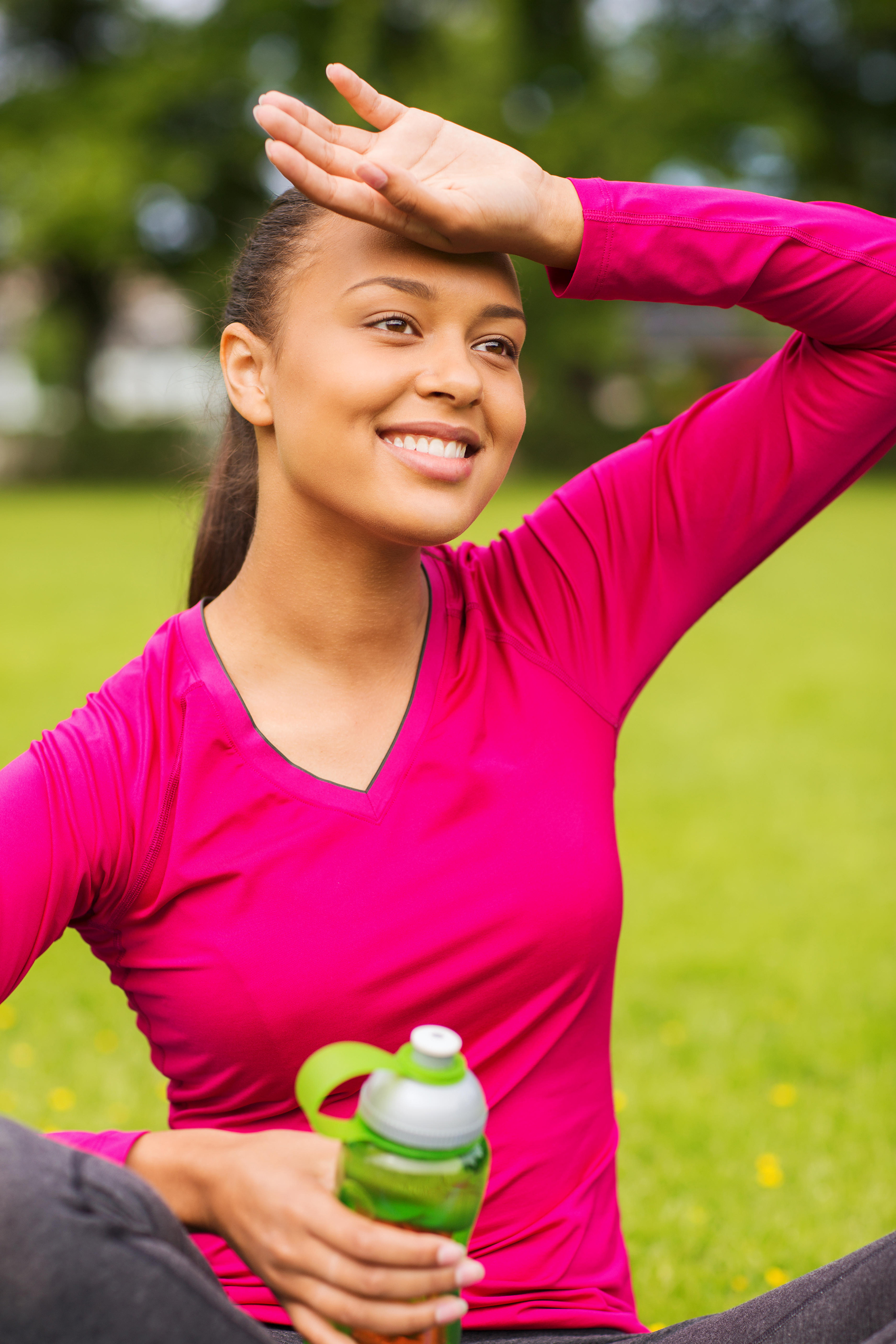
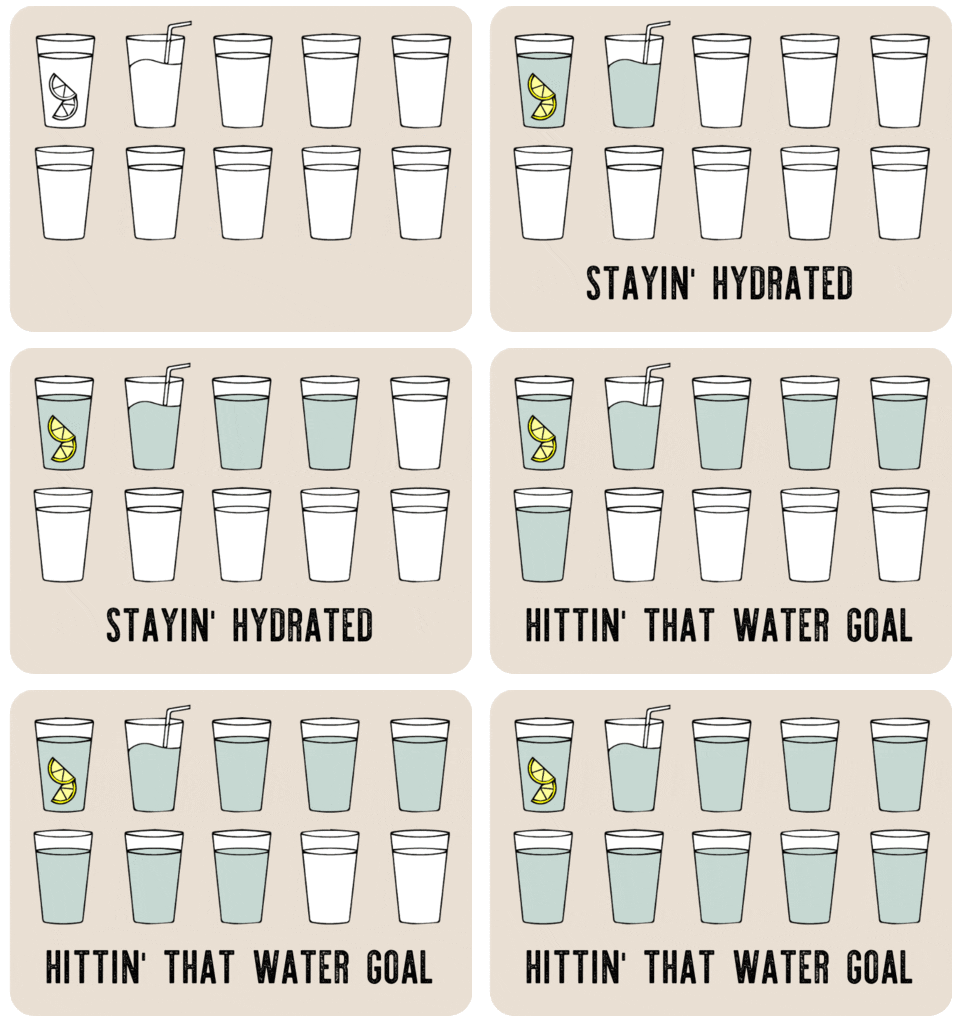
The NHS says most people should aim for six to eight cups or glasses of fluid a day, though more may be needed in a hot environment, during long periods of physical activity, or after heavy sweating. Water is the obvious choice, but lower-fat milk and sugar-free drinks, including tea and coffee, also count towards daily fluid intake.
How To Know If You Are Dehydrated
Dehydration rarely arrives wearing a name badge. It tends to creep in quietly: a dull headache, a dry mouth, a sudden wave of tiredness, or that slightly floaty feeling when standing up too quickly.
“Signs of being dehydrated include headaches, dizziness, dry mouth, tiredness, occasionally nausea and low blood pressure,” Dr Perry says.
A quick check is urine colour. It is not glamorous journalism, admittedly, but it is useful.
Dr Perry explains: “The darker it looks, the more water you need to be consuming. Keep an eye on the colour and smell. If it’s yellow looking with a strong smell, the chances are you’re dehydrated and need to be drinking more.”
In plain English: pale is good; dark and pungent is your body waving a tiny white flag.
Don’t Wait Until You’re Thirsty

The trap during a heatwave is assuming thirst is the starting gun. It is often the halfway marker.
“Stay ahead of your thirst by recognising your own feelings of thirst, such as a dry mouth or feeling lethargic, and aim to drink to avoid them rather than to treat them,” says Dr Perry.
“Don’t wait until you’re thirsty to reach for a drink, sip water continuously throughout the day and when you wake up during the night.”
Dr Sanjay Mehta, GP at the London General Practice, says: “Keep a bottle of water or a suitable alternative on you throughout the day.”
During a heatwave, he recommends: “Be even more vigilant and aware of your intake volume, and try to drink at least 20% above your usual intake to compensate for fluid loss through sweat.”
That matters for anyone active outdoors this weekend. Runners, cyclists, golfers, dog walkers and festival-goers are all in the same sweaty little boat: once the fluid deficit opens up, catching up becomes harder.
Eat Your Water Too
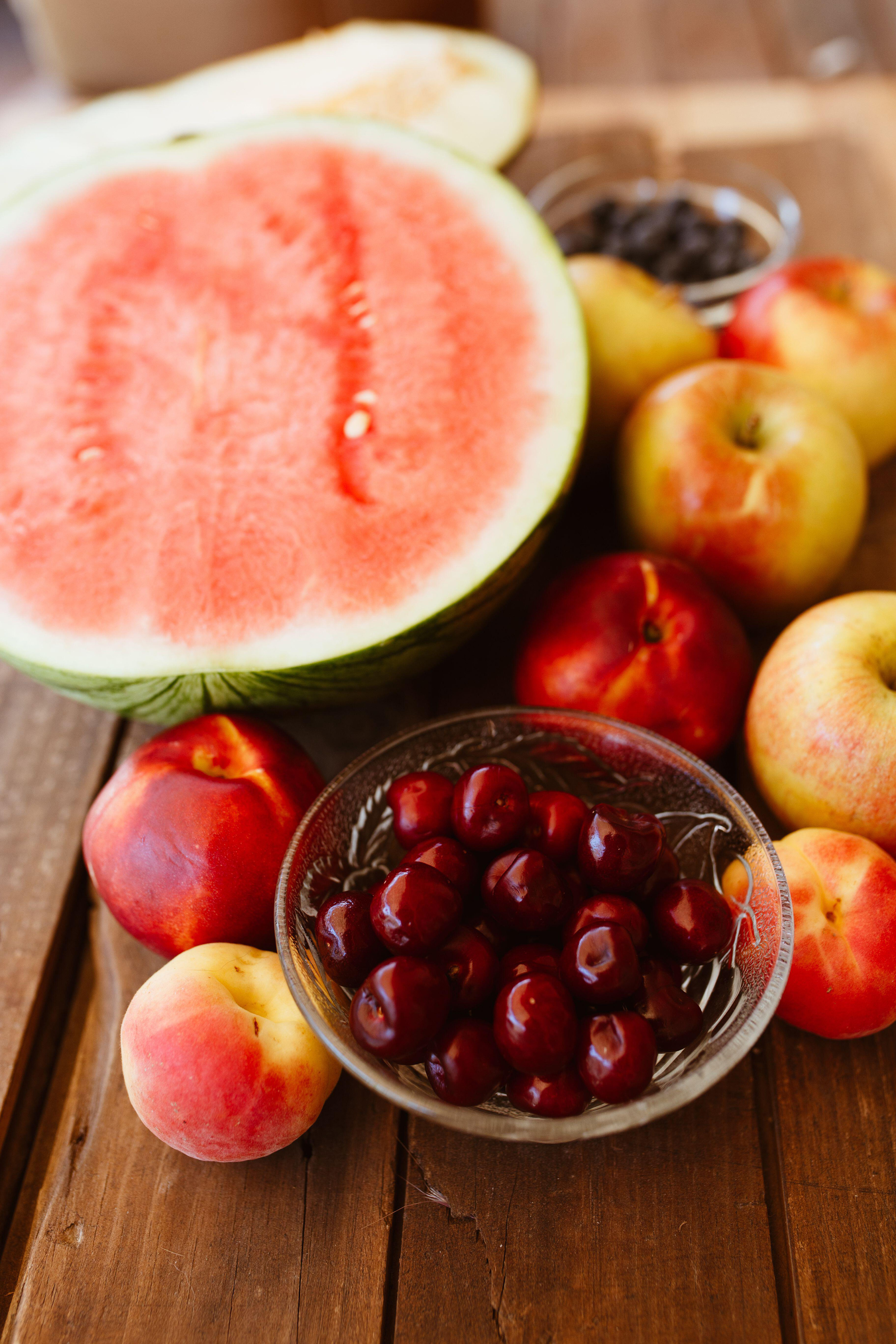
Hydration is not only about standing at the sink like a Labrador. Food can help.
Dr Perry says: “Think berries, watermelon, nectarines, and peaches, which are all packed full of water, rather than carb-laden foods which can be packed full of salt and make you feel more thirsty.”
That does not mean lunch has to become a joyless medical pamphlet. A bowl of chilled fruit, a salad with cucumber and tomatoes, or a smoothie made with fruit and yoghurt can all help support fluid intake without turning the day into a hydration spreadsheet.
Make Water Less Boring
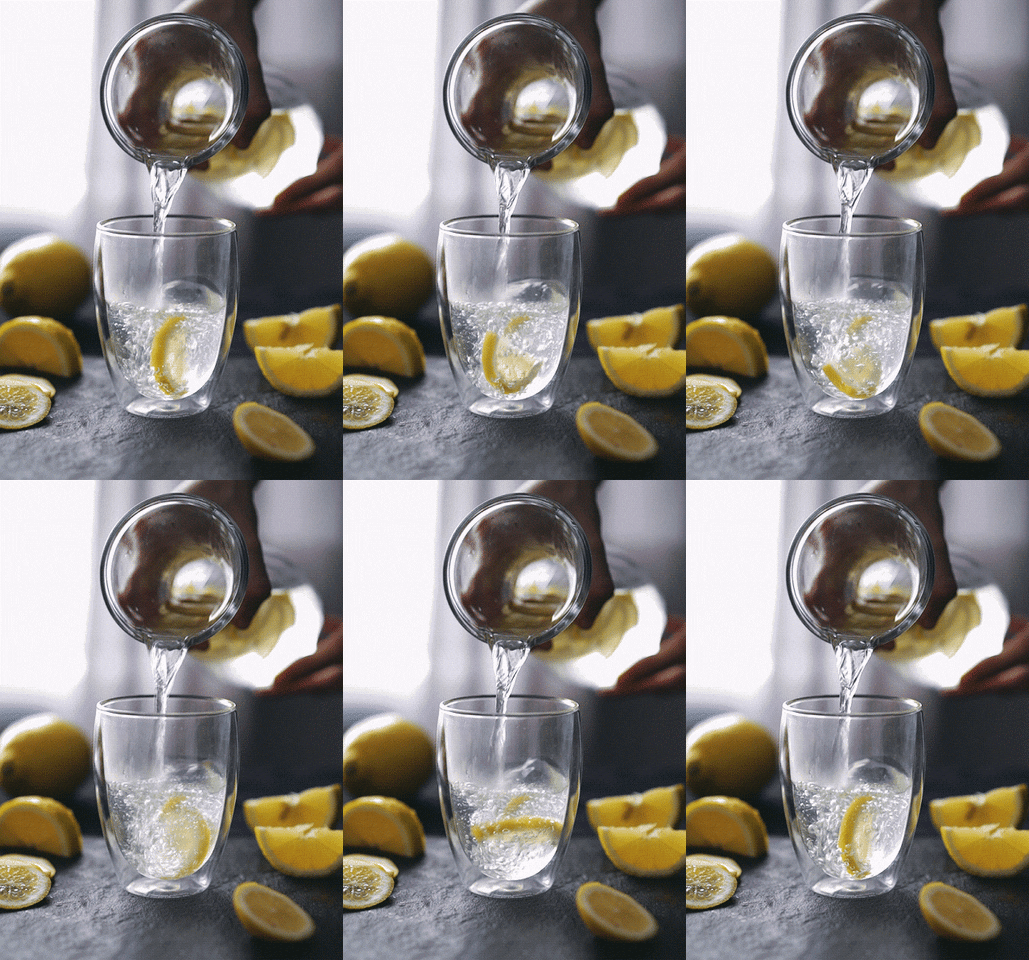
Some people dislike plain water, which is understandable. It has never knowingly been the life and soul of a party.
“Try flavouring your water to make it more enjoyable, add slices of lemon, cucumber, or strawberries,” Dr Perry suggests.
“If you’re not a fan of plain drinking water, milk is a good choice, as it’s more hydrating than water or sports drinks, due to its source of protein, carbohydrates, calcium, and electrolytes.”
The NHS also suggests adding a slice of lemon or lime, choosing sparkling water, or using no-added-sugar squash if plain water does not appeal.
Homemade ice lollies made from fruit juice or smoothies can also be useful, particularly for children who regard a glass of water as a personal insult.
Go Easy On Alcohol
A cold beer in the sun may feel like a constitutional right, but alcohol and heat have the sort of relationship usually seen in bad doubles partnerships.
“Avoid drinks that dehydrate you further, including alcoholic drinks,” says Dr Mehta.
Dr Perry recommends: “Cut down on alcohol, especially during a heatwave, as it will only make you more dehydrated, and exacerbate headaches and tiredness.”
If you are drinking, alternate alcoholic drinks with water and avoid leaving your first proper fluid intake until bedtime, when the room is 28°C and your pillow appears to have joined the resistance.
Tea And Coffee Can Count — Within Reason
The old belief that tea and coffee do not count towards hydration is a little overcooked. The NHS includes tea and coffee among drinks that can contribute to daily fluid intake, though caffeine should be consumed in moderation.
Dr Perry says: “Coffee and tea are fine to drink to stay hydrated, just make sure you’re not having too much caffeine throughout the day.”
So yes, the morning brew stays. The fourth iced latte at 5pm while already feeling like a damp envelope may require sterner negotiations.
Use Your Phone Before Your Body Complains
Caffeinated drinks aren’t as dehydrating as you might think – as long as they’re consumed alongside water.
Dr Perry says: “Coffee and tea are fine to drink to stay hydrated, just make sure you’re not having too much caffeine throughout the day.”
Keep Cool, Stay Sensible And Watch The Clock
UKHSA advises people to keep homes cool by closing curtains in rooms facing the sun, seek shade, wear suitable clothing, apply sunscreen regularly and avoid the strongest sun between 11am and 3pm. It also recommends planning exercise or dog walking for cooler parts of the day, such as morning or evening.
That is especially important during this heatwave because the weather may feel like high summer, but the body has not had months to acclimatise. Late May sun can still catch people out, particularly when the diary is full of bank holiday optimism and very little common sense.
Enjoy it. Sit outside. Walk early. Eat the watermelon. Have the barbecue. But keep a bottle nearby, check in on vulnerable friends or neighbours, and treat hydration as part of the plan rather than a rescue mission.
Because the sun may be glorious, but dehydration is a dreadful house guest: it turns up quietly, ruins the mood, and leaves everyone with a headache.