Hot nights ruining your rest? Expert sleep tips to stay cool, hydrated and comfortable through a heatwave.
Getting to sleep in a heatwave can feel less like bedtime and more like being gently roasted in your own duvet. With Britain potentially hotter than Portugal, Jamaica and Costa Rica this week, and temperatures threatening to climb into the mid-thirties, the national mood may soon swing from “lovely weather” to “why is my pillow warm on both sides?”
Warm days are one thing. Hot nights are another beast entirely. Parks, beaches and a decent hit of vitamin D all sound marvellous until 3am arrives and your bedroom has the atmosphere of a poorly ventilated greenhouse.
Today has been hotter than yesterday for many with inland parts of southeast England exceeding 30 degrees Celsius🌡️
— Met Office (@metoffice) May 24, 2026
The unprecedented heatwave for May will become more widespread as we begin the new week with temperatures reaching the mid 30s Celsius in the hottest spots📈 pic.twitter.com/85mTgY4Zft
The good news is that better summer sleep often comes down to avoiding a few obvious mistakes. The bad news is that many of us make all of them, then blame the moon, the mattress and possibly next door’s dog.
1. Your Bedroom Is Too Hot
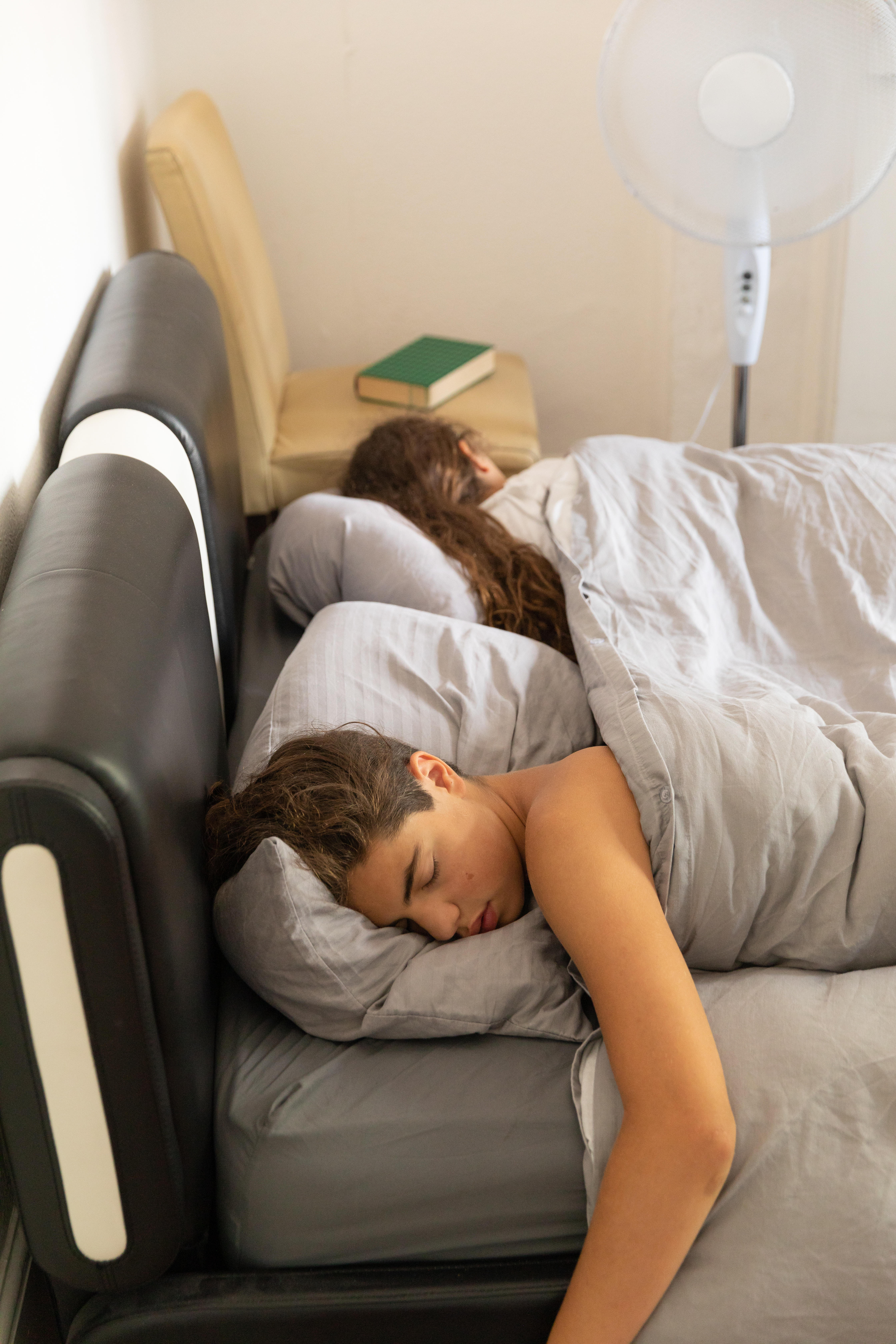
The ideal sleep cave is not a tropical conservatory with fitted sheets. Temperature matters because sleep is tightly linked to the body’s ability to cool itself.
Dr Rebecca Robbins, sleep scientist and sleep expert to Savoir Beds, is clear on the sweet spot. “A cooler temperature is optimal for sleep,” she advises, suggesting around 18C or 19C as a sensible target.
She explains: “Your body’s ability to regulate temperature is a big part of how it regulates sleep. During rapid eye movement sleep, the brain’s temperature-regulating cells switch off and your temperature is impacted by your surroundings.
If your bedroom is too warm and stuffy or your sleeping surface is unable to breathe and disperse moisture, you may begin to sweat and overheat.”
Once the room rises too far, sleep can become fragmented. Robbins suggests your rest may be disturbed if the bedroom temperature climbs above 23.8 °C.
Opening the window sounds obvious, but summer has a habit of arriving with its irritating sidekick: pollen. For hay fever sufferers, that can mean choosing between overheating and sneezing your head clean off.
Max Wiseberg, airborne allergens expert and creator of HayMax, says: “Put pollen filter window screens over the windows and then you can open the window.
If you do have air conditioning, as long as they’ve got good filters, that would help.”
He also recommends using an allergen barrier balm around the nose and eyes, which may help reduce pollen exposure when windows are open.
2. You Are Going To Bed Too Late

Longer evenings are glorious. They are also dangerous little thieves. One minute you are watering the garden. The next, it is nearly midnight and you are eating dinner like a Mediterranean aristocrat with none of the Mediterranean sleep routine.
Robbins says consistency is the cornerstone of good sleep, especially when the weather is trying to derail everything.
“Falling asleep at the same time and waking up at the same time is everything.
It allows the body to work with – rather than fight – its natural circadian rhythm, our body’s internal clock that controls the timings of every organ system and bodily process. If we stick to a schedule, our body learns when to expect sleep and wakefulness.”
That does not mean living like a monk because the forecast says 31C. It does mean keeping your bedtime routine recognisable. Dim the lights, reduce stimulation, avoid turning the evening into a scrolling marathon, and give your body a sporting chance of knowing the day is done.
3. You Are Lying Awake For Hours
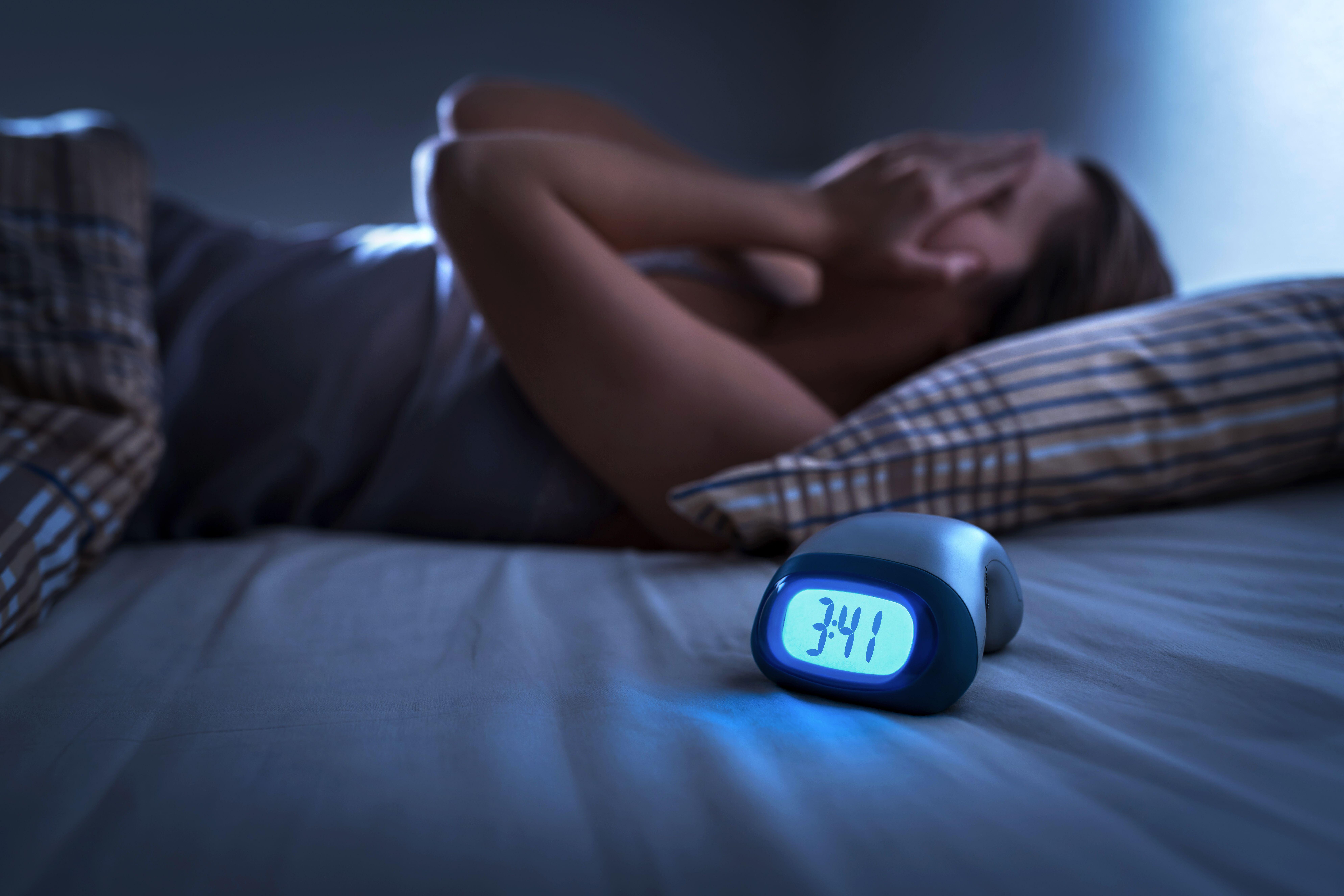
There are few household dramas more maddening than lying in bed, hot, irritated and fully conscious at 3am. It is the hour when mattresses become enemies and thoughts become increasingly unhelpful.
The instinct is to stay put and force sleep to happen. Robbins says that is usually the wrong move.
“It’s something many of us were told to do – stay in bed if we wake up. But it’s actually one of the worst things that we can do if we’re struggling to sleep,” Robbins says.
Instead, she advises getting up after 15 minutes. Keep the lights low and choose something quiet and unstimulating: gentle yoga, reading, or a dull household task such as folding laundry. No phone. No emails. No sudden urge to reorganise your financial life.
The goal is simple: stop your brain from associating bed with frustration.
4. Your Bedding Is Working Against You
A good mattress and sensible bedding are not just bedroom luxuries. In a heatwave, they can be the difference between sleep and spending the night rotating like a supermarket chicken.
“Sleep-related neurons are highly temperature-sensitive so an unsupportive mattress, or a mattress which retains heat, will limit the quality of your sleep,” says Robbins. “A breathable sleeping surface made from natural materials can help prevent you from overheating.
Natural fibres are great for wicking away moisture – they are also breathable and allow airflow, keeping you cool during the warmer nights.”
Your duvet also deserves scrutiny. Patrick Ross from Nectar Sleep says summer is not the season for bedding that feels like alpine survival equipment.
“The last thing you want is to be tossing and turning inside a high-tog duvet.
Instead, make sure you pick up some linen or cotton bedding which is much more breathable and absorbent, to help keep those night sweats at bay.
“Alternatively, say goodbye to a duvet altogether, and take a lesson from our European friends by grabbing yourself a lightweight sheet that will keep you covered – but cool – at night.”
Cotton, linen and lightweight layers are the order of the day. Your winter duvet can have a well-earned rest somewhere dark and preferably far away.
5. You Are Not Hydrating Properly

Hydration is one of those health tips that sounds too obvious until you wake up at 2.47 am feeling like a sun-dried tomato.
Ross says: “Dehydration can negatively affect how well you sleep at night, so staying properly hydrated is key.
Don’t guzzle litres of water directly before bed, but keep drinking glasses of cool water throughout the day instead.
“Caffeine and alcohol also dehydrate the body and have a diuretic effect, so if you want to sleep well in the heat, both should be avoided.
If you do wake up parched in the middle of the night, avoid the urge to down glass after glass. Take long sips of cool water until you feel satisfied instead.”
That last point matters. Necking a pint of water before bed may solve one problem and create another, namely repeated bathroom trips when you were meant to be asleep.
Better heatwave sleep starts earlier in the day: steady fluids, lighter bedding, a cooler room and a bedtime routine that does not collapse the moment the sun stays out past dinner.
A British heatwave may be rare enough to feel like a national event, but your bedroom does not need to become the final round of a sauna championship. Keep it cool, keep it simple, and give yourself the best chance of waking up human.