A practical UK guide to diastasis recti after pregnancy, covering physiotherapy, exercise limits, surgical assessment and safe recovery.
Once regular training returns, the limits of exercise can become easier to see. The core may feel stronger, yet a ridge can still appear through the midline under load. Weight may remain steady while loose skin or changes in breast volume remain. For an active woman over 40, that mismatch can feel more frustrating than the number on the scale.
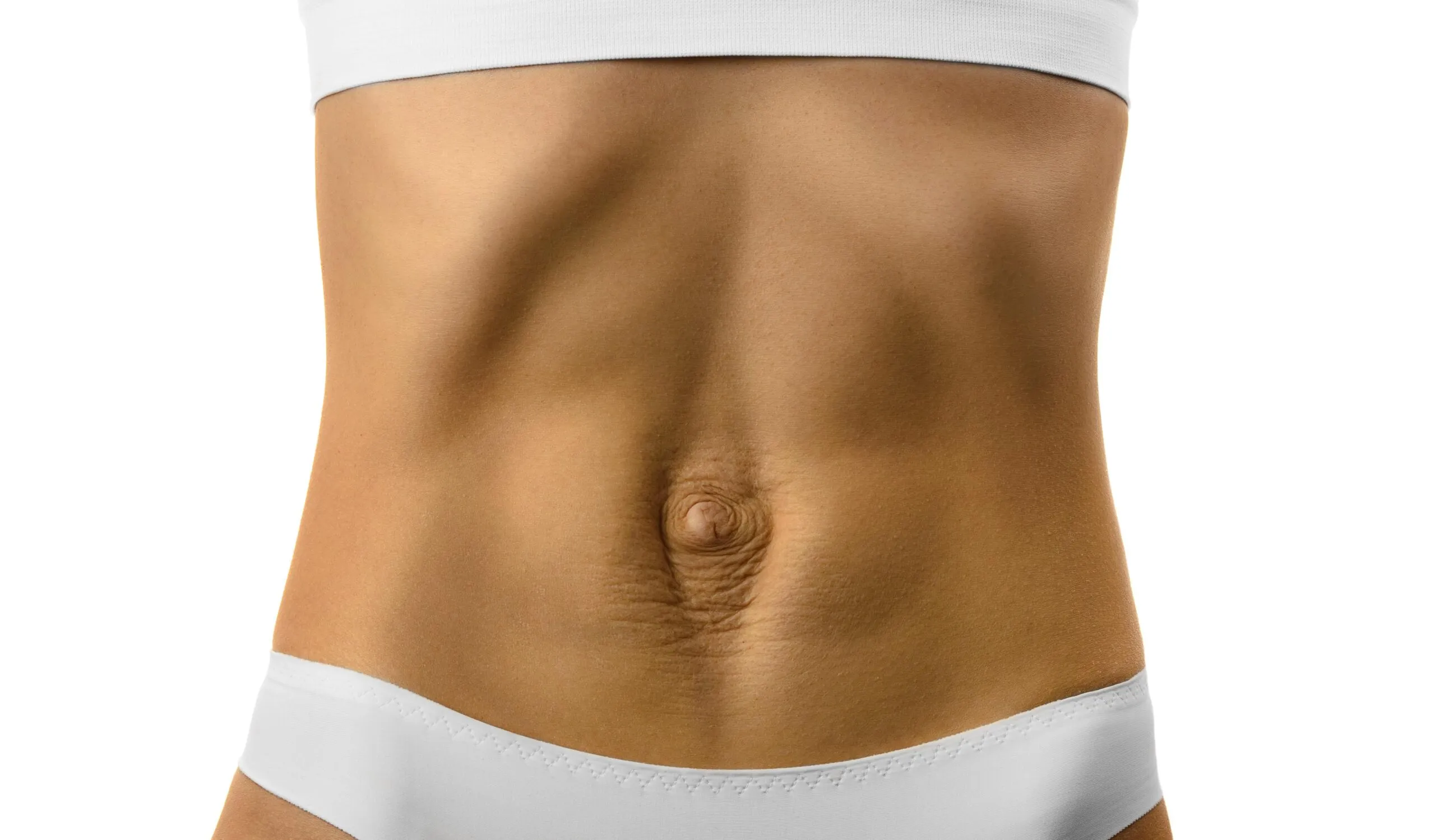
A visible ridge does not show on its own whether the issue is muscular control, stretched connective tissue or both. A physiotherapy assessment can guide changes to training, while structural concerns may warrant a surgical opinion.
Check what happens when the abdomen is under load

As the uterus grows, the tissue between the abdominal muscles is drawn apart to make room. For some women, the separation is still visible after birth. Deep abdominal and pelvic floor exercises may help, while a gap that remains obvious is something the NHS says should be discussed with a GP or physiotherapist.
How the midline responds matters more than forcing a planned weight or repetition count. If pressure builds, pain appears or a ridge forms, it is better to stop and have the movement checked than to finish the set. Returning more slowly makes it easier to see which loads the abdomen is ready for.
After rehabilitation, the question may no longer be how much stronger the core can become. When exercise has done what it can and both the abdomen and breasts still feel changed, UK mummy makeover specialists can assess the two areas in the same consultation. That discussion should cover whether the procedures belong in one operation or need spacing out, with medical history, current health, expectations and future pregnancy plans shaping the answer.
What exercise can still improve
The tape measure may barely change even while daily movement becomes easier. Less doming when standing from a chair or better control under load may suggest that rehabilitation is helping.
As resistance returns, the focus stays on keeping the abdomen controlled and the pelvic floor working with the movement. If a ridge appears along the midline or pressure builds during an exercise, the load may need to be reduced and the movement reviewed. Other training may remain in the programme if symptoms stay settled and the clinician overseeing recovery agrees.
Exercise also has clear limits. It cannot remove loose abdominal skin, while changes in breast volume or position need a separate assessment. Training still supports strength and movement, even when the remaining concern is structural rather than muscular.
When breast changes need a separate discussion
After pregnancy or breastfeeding, one woman may be left with less fullness, while another notices the breasts sitting lower or feels discomfort because of their size. The change may also be uneven, and the concern that matters most will differ from person to person. Breast uplift, breast augmentation and breast reduction address different concerns and should not be treated as interchangeable options.
Before shape or surgery is discussed, a new lump, a skin change or unusual discharge needs checking by a GP. The NHS advises people to notice what is normal for them and have any unfamiliar breast changes assessed. Once any health concern has been checked, the conversation can return to shape, scarring, implants, where relevant and the effect of a later pregnancy or weight change.
What a mommy makeover procedure may involve
A mommy makeover procedure is not one standard operation. One patient may need abdominal and breast surgery in the same plan, while another is better served by treating one area or separating the operations. Anatomy, medical history, operative time and the recovery available at home all affect that decision.
Women reviewing mommy makeover options in the UK may find that different providers use similar procedure names. In the consultation, each part of the plan should be linked to a specific concern, with a realistic sense of how long surgery may take and what support will be needed once the patient is home. If the same recommendation seems to appear in every package, it is worth asking why it belongs in this one.
For women considering a mummy makeover in London, travel matters too. Wound checks, follow-up appointments and access to the clinical team still need to remain practical if driving or lifting is temporarily restricted. Instructions for surgical wound care should be clear before the journey home, along with details of who to contact if the wound changes or causes concern.
How to check a UK provider
Before booking cosmetic surgery in England, patients can check the doctor’s registration on the GMC register. Separate checks should cover the surgeon’s experience with the planned procedures, the clinic’s CQC registration and the arrangements for follow-up if something goes wrong.
The consultation needs to cover more than the change the patient hopes to see. She also needs a clear account of the risks, limits and alternatives before deciding. Consent should follow a proper discussion with the doctor carrying out the intervention rather than being reduced to a sales conversation or a form handed over at the end.
Recovery has to fit around training and home life
Combined surgery usually means stepping away from the normal training routine for a period. Early recovery may involve dressings, prescribed pain relief, compression garments and limits on lifting or driving. The exact timetable depends on the operations performed and the patient’s progress, so fixed online schedules should not replace the surgeon’s instructions.
For an active woman, the awkward point often comes when energy returns before the tissues are ready for heavier work. NHS advice on getting active again says activity should build from what the patient can manage, alongside the doctor’s instructions. The recovery plan should make clear when longer walks are appropriate, when resistance work can return and which symptoms mean it is time to stop.
Childcare, work and transport need the same attention. If she usually handles the school run, lifts a young child or drives to appointments, those jobs may need to pass to someone else for a while. Follow-up dates and the right contact number are easier to confirm before surgery than once she is back home.
Keeping long-term fitness in the plan
The next step becomes clearer once a woman knows which problems are still improving with rehabilitation and which have stopped changing. If strength and control continue to improve, physiotherapy may remain the more useful route. When loose skin or breast changes are still the main concern, a surgical consultation can clarify what treatment would involve.
The practical side belongs in the decision too. Recovery may be harder to manage while weight is still changing, another pregnancy is planned or no help is available with lifting at home.