Curves is updating women-only fitness with data-led training, personal coaching and a 30-minute circuit built around confidence and community.
The Curves women-only fitness model is being rebuilt for a market in which women increasingly expect more than access to machinery and a motivational slogan curling off the wall.
The company’s answer is a blend of measurable training, personal coaching and its familiar 30-minute circuit — an attempt to make exercise more intelligent without making it less human.
Women’s fitness has moved beyond mere access
Women are placing greater emphasis on strength, long-term health and exercise that can adapt to changing life stages. Curves cites market figures suggesting women account for around 57% of gym memberships globally, while the women-only fitness club market is projected to reach $8.52 billion by 2032.
Those are supplied industry estimates rather than independently verified figures, but the direction is clear enough: female-focused fitness is no longer a quaint side room of the health club business. It is a sizeable category with increasingly specific expectations.
Members want evidence that a programme is working. They want to know whether their strength is improving, whether their movement is becoming more controlled and whether their effort bears any resemblance to the results promised. Counting attendance as progress no longer quite cuts it.
CurvesSmart brings measurement to the circuit
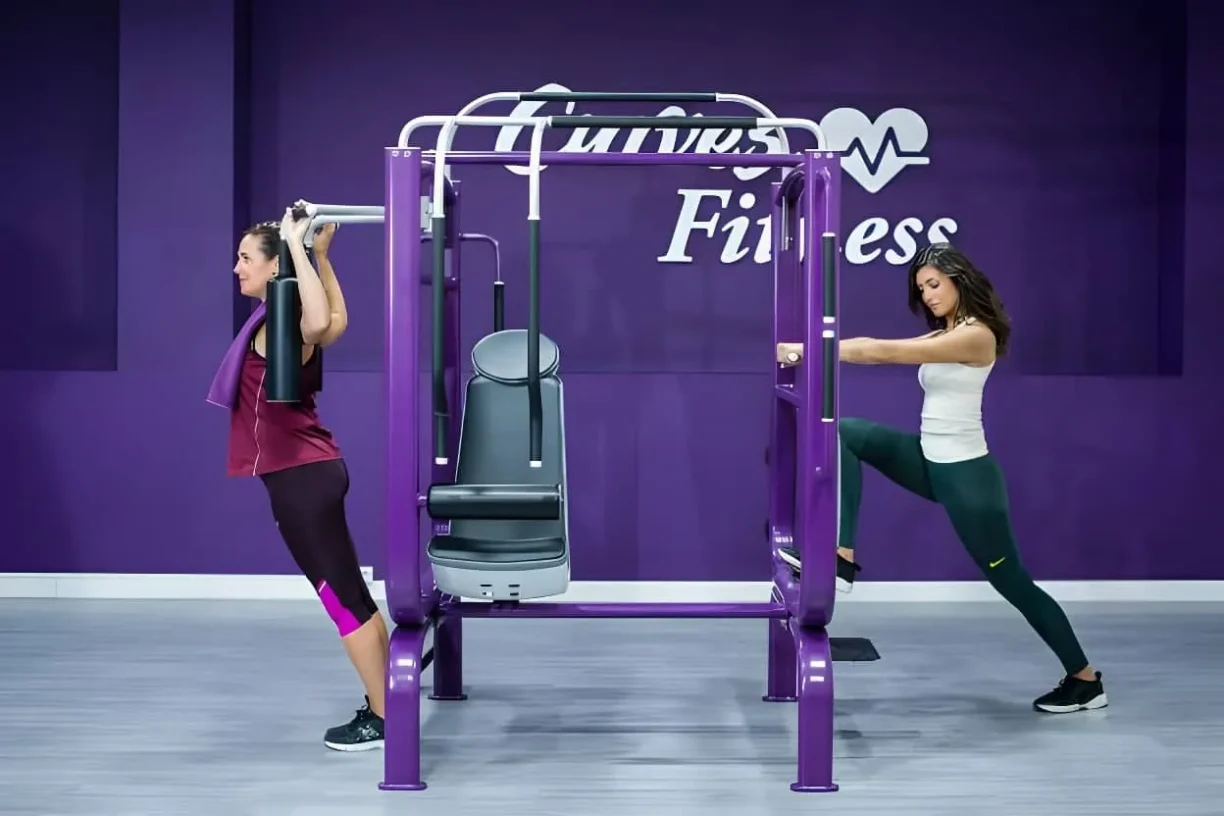
At the centre of the updated Curves women-only fitness offer is CurvesSmart®, which tracks measures including power and range of motion during each workout. The aim is simple: turn a vague sense of improvement into a month-by-month record that a member and coach can discuss.
The company’s hydraulic resistance equipment responds to the effort applied by the user. Push harder and the resistance rises; ease off and it falls. Women with different ages, fitness levels and training histories can therefore use the same circuit without pretending they need the same workload.
Many gyms offer choice by multiplying machines. Curves is trying to offer personalisation by making the machine react to the person. Less showroom, more conversation.
Coaching remains the part technology cannot fake
Data can show that power output has changed. It cannot always explain why, reassure somebody after time away from exercise or notice the uncertainty that can accompany a return after pregnancy, menopause or another significant life stage.
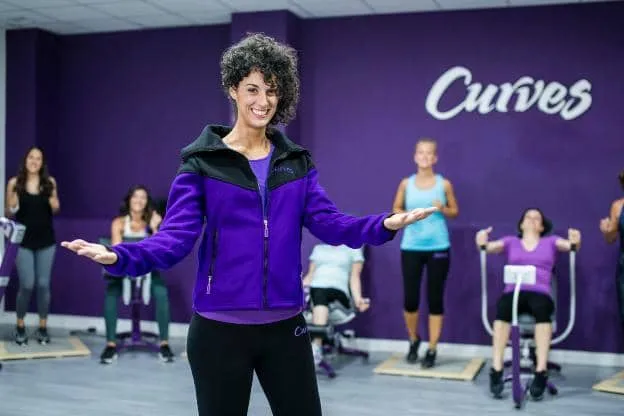
Curves begins each membership with a one-to-one consultation and body composition assessment led by a trained coach. Monthly coaching sessions are then used to review progress, adjust goals and decide where attention should go next.
That human layer matters. Fitness technology has a habit of producing graphs with all the warmth of an airport departure board. Useful, certainly, but not especially comforting. Curves is positioning its data as a prompt for a better coaching conversation, not a substitute for one.
Joanna Dase, Chief of Operations at Curves, puts the balance plainly: “The biggest misconception about modernising fitness is that it’s purely about technology.
Technology is important, but it only works when it’s supporting a better member experience. Women want to see their progress, but they also want guidance and genuine human connection.
That’s why we’ve invested just as heavily in coaching and community as we have in innovation. When you combine all three, fitness becomes something that fits into people’s lives rather than something they struggle to maintain.”
The 30-minute circuit still earns its place
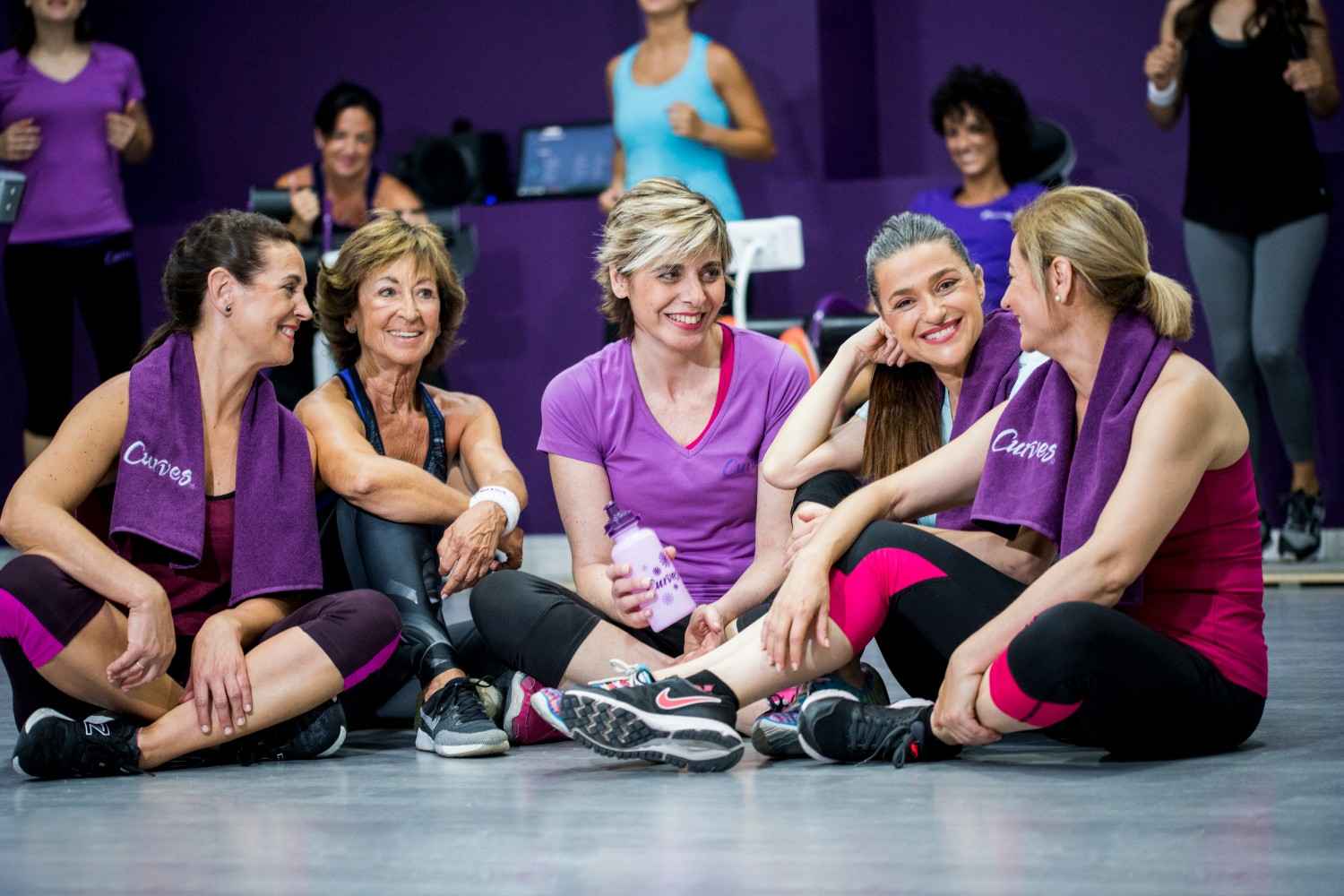
Curves has not abandoned the format that made the brand recognisable. Its signature circuit remains a 30-minute, full-body session in which members train together while working at their own pace.
That brevity is more than convenience. For many women, the obstacle is not a lack of interest in exercise but the administrative chaos surrounding it: work, caring responsibilities, appointments and the human talent for losing 40 minutes to an email thread. A defined half-hour removes some of the negotiation.
The group setting serves an emotional purpose too. Curves says members often describe their local club as “a home away from home”.
The phrase is polished, but it points to a genuine retention advantage. People are more likely to return where they are known, expected and not required to perform confidence before they have acquired it.
Community is the quieter health trend
Much recent fitness innovation has centred on hardware, apps and increasingly elaborate dashboards. Yet the enduring problem is adherence. The cleverest programme has limited value if the member stops attending after six weeks.
The Curves approach is designed to reduce that drop-off through short sessions, visible progress, regular coaching and a social environment intended to feel supportive rather than competitive. For women who dislike the theatre of a conventional gym floor, that may be more persuasive than another row of gleaming equipment.
This is where the women’s health angle becomes substantial. Strength and mobility training can matter across adulthood, but confidence is often the practical barrier — particularly after a long break or during periods of physical change. A coached, adaptive circuit offers a route back without demanding fluency in gym culture.
A retention-led franchise model
There is, naturally, a business behind the wellbeing. Curves describes itself as the fourth-largest franchise globally and presents its model to prospective owners as one built on recurring membership revenue rather than constant replacement of departing customers.
The company says franchisees receive support with site selection, club launch and ongoing marketing. It places the approximate franchise investment at £45,750 and reports 7.5% year-on-year membership growth from internal data.
Those figures should be read as company claims, not guarantees. The more interesting point is the strategy beneath them. Curves is betting that technology will make progress clearer, coaching will make it personal and community will make it stick.
The machines may measure the work, but the real test is simpler: whether members feel confident enough to come back next Tuesday.