
With six class formats rolling out across its UK studios, Hotpod Yoga is making it easier to tell the difference between a demanding workout and a gentler session. And there’s rather more to that choice than how much you fancy sweating.
Yoga has a habit of being described as though it were one thing. It isn’t. A class can ask for strength, balance and concentration, or make space for the kind of slower movement that feels more welcome after a long week. The distinction is obvious once you’re on the mat. It would be rather helpful to know before booking.
Hotpod Yoga is trying to make that choice more straightforward. The company, which says it operates more than 65 studios around the UK, is rebuilding its class menu around six clearly defined formats, divided between strength and recovery.
It’s a change in how sessions are organised and described, rather than a claim that the practice itself has been reinvented.
At first glance, it sounds like an administrative exercise. But the details matter, particularly for people who have assumed yoga is either too gentle to count as a workout or too challenging to attempt in the first place.
Strength Without a Weight Rack
Anyone expecting Hotpod’s tougher sessions to involve extra equipment can leave the dumbbells alone.
The new Hotpod Strength class is built around bodyweight work: controlled transitions, extended holds, planks and slow press-ups. That makes the source of the resistance easy to identify, if not necessarily easy to hold.
It’s distinct from Hotpod Dynamic, which is pitched at people wanting to develop a more advanced yoga practice. Here, the emphasis is on fluid, breath-led sequences and exploring new positions and transitions, rather than specifically focusing on conditioning exercises.
The two classes offer different kinds of challenge. Strength concentrates on physical conditioning and stability, while Dynamic gives more experienced participants room to develop their practice through increasingly demanding movement.
Hotpod Signature remains the middle ground. The original class combines strength work, flowing movement and an opportunity to switch off. Hotpod describes it as suitable for all levels, making it a reasonable starting point for somebody unfamiliar with the studio’s approach.
None of this requires yoga to pretend it is something else. Bodyweight resistance, balance and control are already part of the practice. What changes is how deliberately each class emphasises them.
Recovery Has More Than One Setting
A tougher session is not always the most useful session. Nor does ‘slower’ necessarily mean the same thing across the timetable.
Hotpod now has three options that take different approaches to easing the pace.
Hotpod Recovery uses gentle movements and longer stretches, intended for people feeling tight after training or spending days at a desk. The emphasis is on easing physical tension rather than pursuing another demanding workout.
Hotpod Slow & Steady occupies an interesting position. It’s still a physical yoga practice, with flowing movements and longer holds that give participants more time to concentrate on technique and build confidence. Strength work remains part of the session, only without the faster pace.
Then there’s Hotpod Rest & Restore, the slowest of the six formats. Props are used throughout for comfort and support, with the focus firmly on relaxation and unwinding.
The distinctions matter. Slow & Steady isn’t a euphemism for doing nothing. Equally, someone looking for the quietest possible class wouldn’t necessarily get that from Recovery, where movement and stretching remain part of the session.
There’s also an important limit to what ‘recovery’ can mean.
The company positions these classes as opportunities to ease tension and take a break, and its announcement refers to people recovering from injury. But it provides no clinical evidence that heated yoga speeds injury healing or treats a medical condition. Those benefits shouldn’t be assumed from a class name.
The Pod Still Has a Part to Play
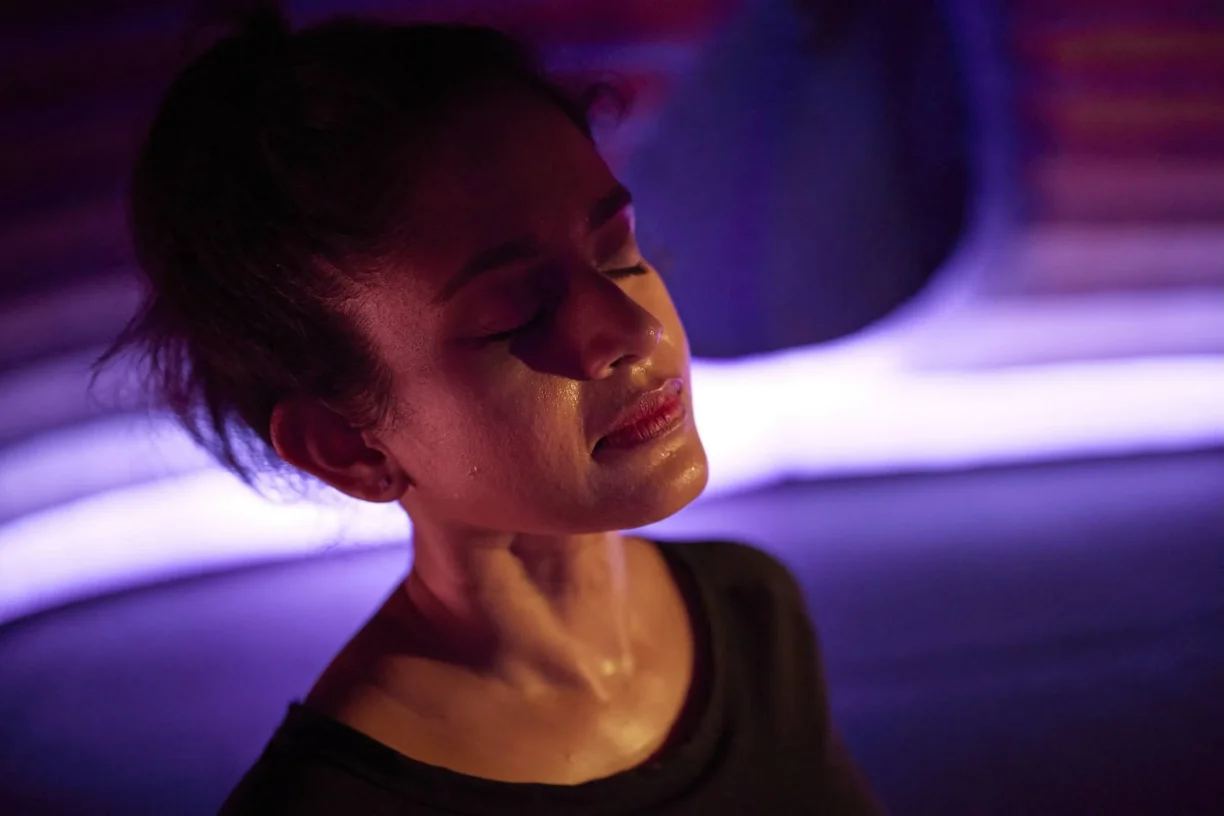
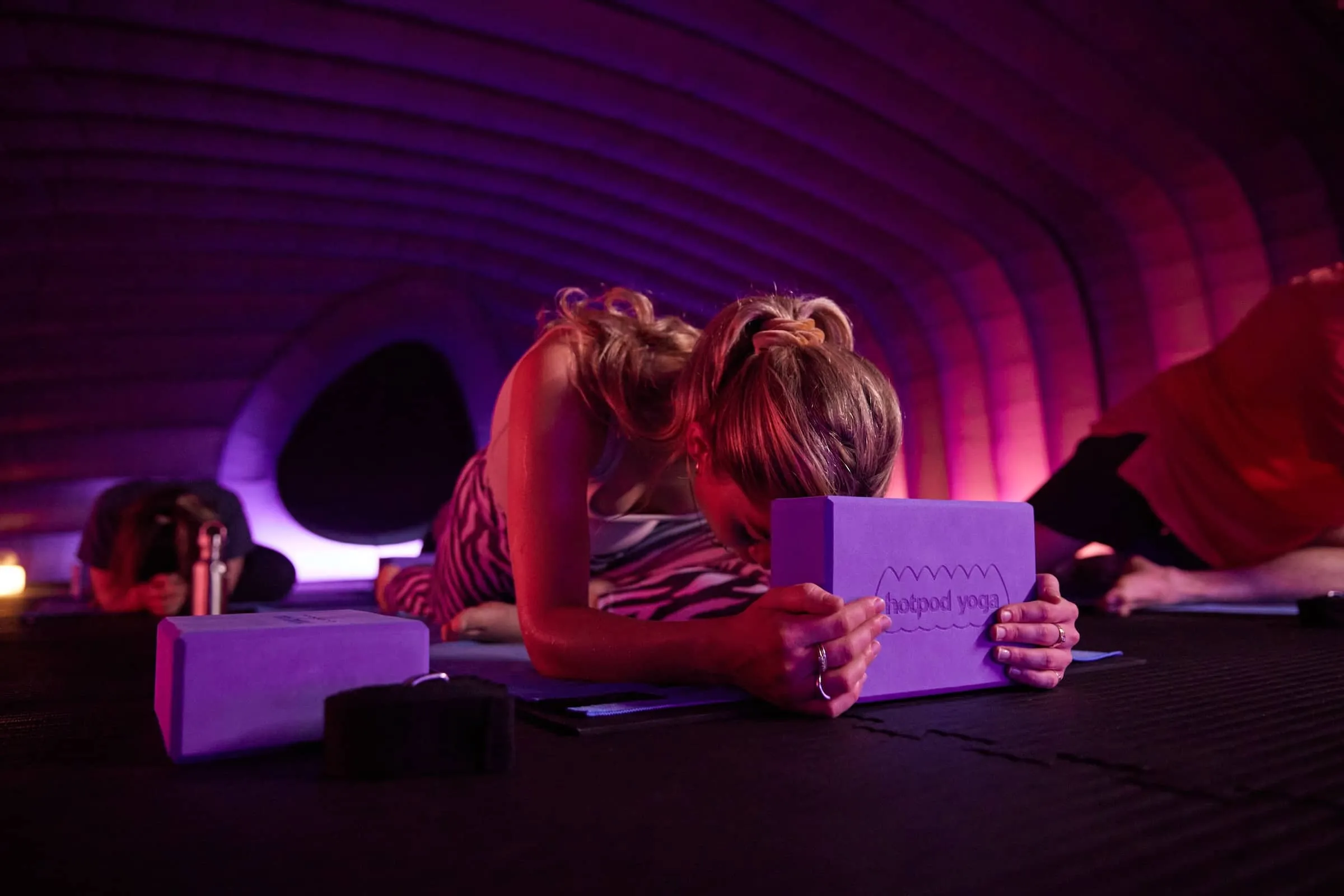
The setting remains recognisably Hotpod: gently heated, dimly lit and without mirrors.
According to the company, that environment is intended to remove some of the self-consciousness people can experience in exercise spaces, particularly when they’re unfamiliar with the movements.
Whether that atmosphere suits a particular newcomer is personal. Some will welcome the absence of mirrors and a less brightly lit room. Others may have different preferences. At least these are tangible features of the experience, rather than another vague promise about wellbeing.
Max Henderson, Hotpod Yoga’s co-founder and CEO, sums up the approach:
“It’s bodyweight and breath combined with the extraordinary, immersive environment that the pod creates – that’s what we’re doubling down on and we’re really excited to share what we’ve been working on.”
The company’s decision to organise the timetable around strength and recovery also reflects how it wants customers to understand the benefits of yoga: something capable of challenging the body while offering room to slow down.
That distinction is useful, provided the classes deliver the experience their names suggest.
A Clearer Choice, With a Few Questions Remaining
Clearer descriptions help with the first decision. They don’t tell the whole story.
Somebody wanting a demanding workout can compare Strength with Dynamic rather than assuming every vigorous yoga class delivers the same experience. Someone who wants to keep moving at a gentler pace can consider Slow & Steady without committing to a fully restorative session.
And if the goal is to unwind with the least demanding practice, Rest & Restore is the clearest option.
There’s no reason the kind of yoga that suits you on one day should be the same kind that suits you on the next. A decent class timetable ought to understand that.