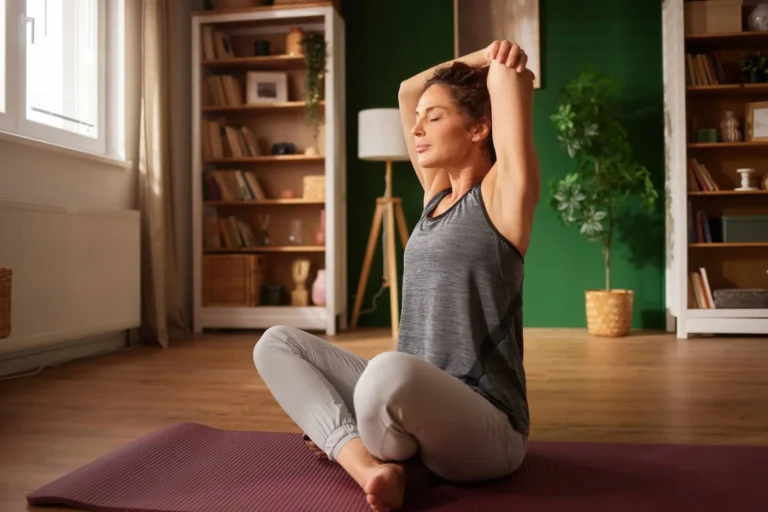
Traditionally yoga is held at a place of warm yet balmy temperature.
Yoga has been around longer than any gym trend, app or boutique studio – and it’s still one of the most effective low-impact ways to build strength, mobility and control. Done properly, it quietly trains your muscles, improves flexibility and teaches you how to move your body with more efficiency and less stress.
Traditionally, yoga is practised in a warm, comfortable space. In recent years, though, people have started playing with temperature – first with hot yoga and now at the other end of the scale: cold yoga.
What Is Cold Yoga?
Hot yoga took off by combining a series of 12–14 postures in a heated, humid room where you sweat from the moment you walk in. It exploded in popularity, and plenty of people swapped “standard” classes for 90 minutes in a sauna.
Cold yoga flips that on its head. Instead of turning the studio into a furnace, the room is kept deliberately cool. Most classes use air-conditioning or other artificial cooling so the environment is controlled and people can leave or add layers if they need to.
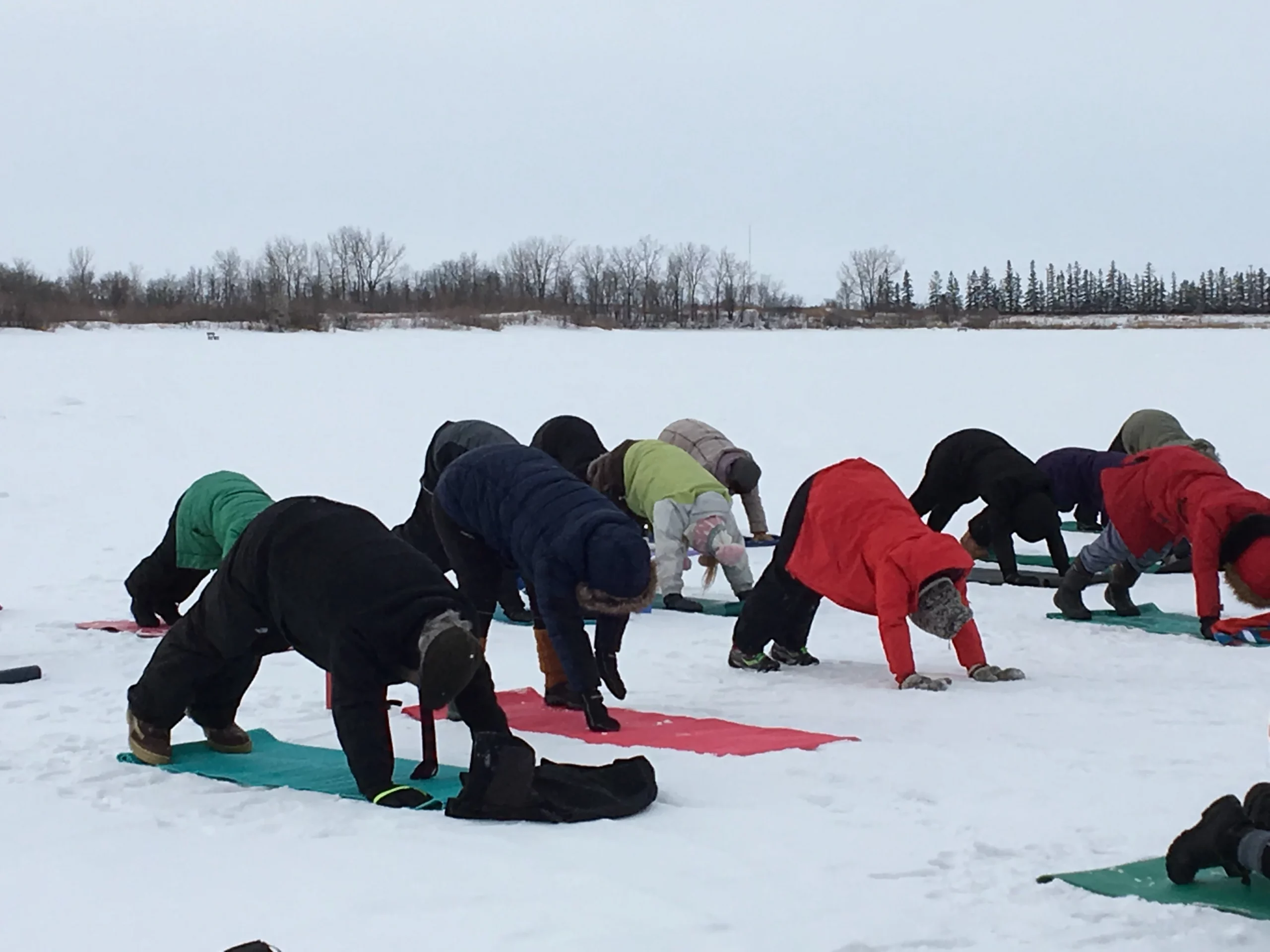
Some yoga hubs now go further, taking groups out into naturally cold environments – snow, ice, or winter conditions – to practise outside. That looks dramatic on Instagram, but the weather can be so harsh in some locations that, without proper planning, most people simply wouldn’t cope. That’s why controlled, supervised sessions matter.
The important bit: yoga itself is still a low-impact workout. You’re not sprinting or jumping – you’re holding, breathing and moving with control. That’s exactly what makes it interesting in the cold: even with gentle movements, your body has to work harder to keep you warm.
Why Cold Yoga Can Be Effective
In a standard yoga class, your body mainly burns energy to fuel movement and maintain posture. In cold yoga, two jobs are happening at once:
- Fueling movement – powering muscles through poses and transitions
- Maintaining body temperature – burning additional energy to stay warm
That means total calorie expenditure can be higher in a colder environment than in a warm one, even with the same sequence.
Harvard Health has previously highlighted that people in cooler environments can burn more calories as the body works to maintain its core temperature. It’s not a magic fat-loss hack, but it’s a nudge in the right direction.
Experts at Polar Dive USA add that controlled cold exposure – whether through cold-yoga sessions or cold-plunge routines – can further support metabolic activation and mental resilience when it’s done safely and consistently, not as a one-off “stunt” session.
You’ll also notice another effect: focus. When you’re cold, you pay a lot more attention to what you’re doing. You listen more closely to instructions, you concentrate on your breathing, and you’re less likely to coast through poses on autopilot. That same principle is used in cold drills in military training – the environment forces you to be present.
Cold Yoga vs Hot Yoga – Which Is Better?
Here’s the honest answer: it doesn’t come down to the thermostat; it comes down to technique and consistency.
- If your poses are sloppy in a hot room, you’ll still get a sloppy result.
- If your alignment is lazy in the cold, you won’t suddenly burn twice the fat.
That said, there are some practical differences:
Hot yoga
- Warmer muscles, so it can feel easier to stretch
- Heavy sweating can give a sense of “detox”, even though most of that is just fluid loss
- Can be uncomfortable or risky for people with heart issues, low blood pressure or poor heat tolerance
Cold yoga
- Your body works harder to insulate vital organs and maintain temperature
- Calorie burn can be slightly higher for the same workload
- You’re forced to stay sharp, precise and mentally engaged
- You’re not relying on extreme heat to feel like you’ve done “enough”
If you’re just chasing numbers on a fitness tracker, the difference in calorie burn won’t transform your life. But if you use the cold to sharpen your technique, improve focus and build resilience, you’ll see more meaningful progress over time.
Is Cold Yoga Safe?
Changing the temperature doesn’t automatically make a workout dangerous, but it does change the demands on your body.
In controlled conditions with a trained instructor, cold yoga can be safe for most healthy people. The key is intelligent setup:
- The room is cool, not Arctic
- You have options for adding or removing layers
- Sessions are kept to a reasonable length
- People are monitored for signs of discomfort
A few points to be clear about:
- If you have heart disease, uncontrolled high blood pressure, Raynaud’s, asthma, circulation problems or any serious health condition, you should speak to a healthcare professional before adding cold exposure to exercise.
- Staying so cold that you’re shivering uncontrollably or feeling numb is not “hardcore”; it’s a fast track to trouble.
- The aim is to work in the cold, not stand there freezing to prove you’re tough.
You want to feel challenged but in control – not on the verge of hypothermia.
How To Get The Most From Cold Yoga
If you want to try cold yoga, do it properly:
- Go to a professional class first
Trying to copy TikTok videos alone in a garage is a good way to quit early or hurt yourself. An experienced instructor will control temperature, watch your form and adjust the sequence. - Layer smart, don’t bundle up
Start a little cool, then allow your body to warm up. If you wear heavy layers from the start, you blunt the cold effect and just recreate a standard warm class. - Prioritise technique over bravado
Focus on alignment, breathing and moving through the full range of each pose. That’s where the real strength and mobility gains happen – not in how long you can stand in a T-shirt in an icy room. - Know when to stop
If you feel light-headed, numb, nauseous, or you can’t warm up after the session, that’s a red flag. Tell the instructor and step out.
The Bottom Line
Cold yoga isn’t a magic trick and it won’t replace solid training, decent food and sleep. But it can:
- Slightly increase calorie burn
- Improve mental focus and discipline
- Build technical precision in your poses
- Give you a fresh way to train through winter
If you’ve never tried it, a supervised cold yoga class in the colder months can be a good test. Just don’t go in expecting instant transformation. Treat it like what it is: another useful tool to push your body and mind – and, if you stick with it, you’ll see the difference in how you move, not just how cold the room is.