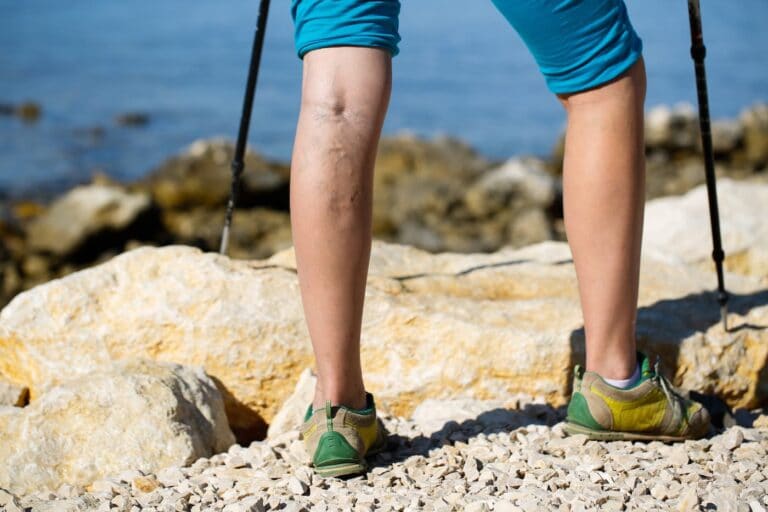
Aching legs, swollen ankles and visible veins are easy to blame on a busy day. When the same symptoms keep returning, understanding the cause can be more useful than simply putting up with them.
By the time the shoes come off, your ankles may be swollen, your calves feel unusually heavy and the prospect of standing for another hour has lost much of its appeal.
After a long day at work, it is tempting to blame everything on tiredness. Sometimes, that explanation is perfectly reasonable. But when aching, heaviness or swelling keeps returning, there may be more to the story.
These are among the possible symptoms of chronic venous insufficiency, a condition that affects how efficiently blood travels from the legs back towards the heart.
It is also a condition that can develop gradually, making early changes particularly easy to dismiss.
The important distinction is that recurring leg discomfort deserves an explanation, not an automatic diagnosis. And finding out what is happening does not necessarily mean signing up for a medical procedure.
When Tired Legs Become a Familiar Pattern
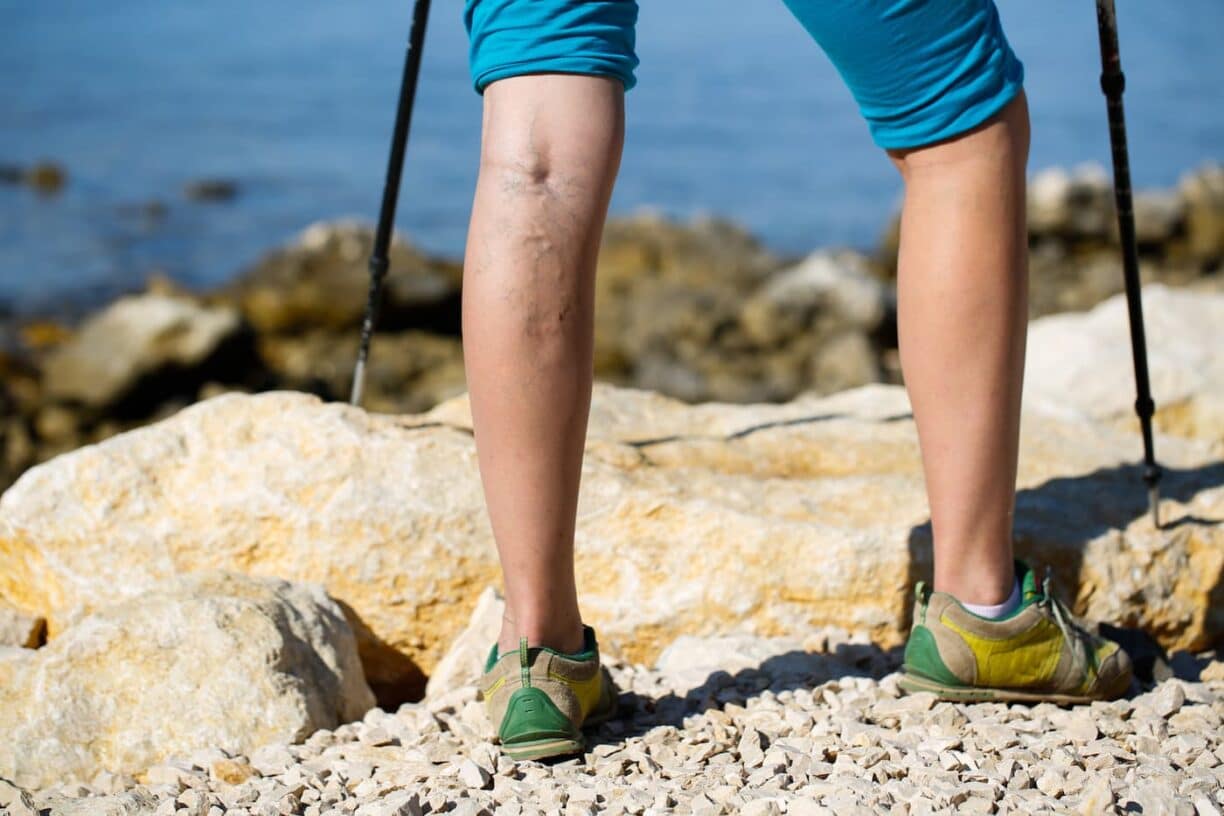
Venous problems rarely need a dramatic introduction.
Perhaps your ankles appear slightly swollen after several hours on your feet. Your legs feel heavier towards the evening, or an ache that once seemed occasional has become an increasingly familiar companion.
Some people notice itching, discomfort at night or more prominent veins around their calves. Others experience swelling that improves with rest before returning the following day.
None of these symptoms establishes that somebody has venous disease. Musculoskeletal problems and other circulatory conditions can produce similar complaints.
That uncertainty is one reason a professional assessment matters.
Paying attention to the pattern can be surprisingly useful. Does the discomfort appear after prolonged standing? Does it affect walking, sleep or work? Has the swelling become more frequent?
Those details give a healthcare professional something more substantial to work with than the understandable complaint that your legs simply feel worn out.
What Happens When Leg Veins Stop Working Efficiently?
Veins have a demanding job, particularly those in the legs.
While arteries carry blood away from the heart, veins return it. In the lower limbs, that journey involves working against gravity, with help from surrounding muscles and small one-way valves inside the vessels.
When those valves become weakened or damaged, some blood can flow backwards and collect in affected veins. This is known as venous reflux.
It can contribute to varicose veins and chronic venous insufficiency, although the two terms do not mean exactly the same thing.
Varicose veins are enlarged, often twisted veins that can become visible beneath the skin. Chronic venous insufficiency describes a broader problem with the return of blood from the legs.
A person can have conspicuous varicose veins without experiencing the same degree of underlying circulatory difficulty as somebody else.
Age, family history, pregnancy and prolonged standing are among the factors that can influence the likelihood of developing venous disease.
In more advanced cases, changes may extend beyond aching or swelling. Skin around the ankles and lower legs can become darker, thicker or irritated, while wounds may develop that are slow to heal.
Such changes warrant medical attention. The appearance of a vein alone, however, cannot establish what is happening beneath the skin.
Why a Vein Assessment Can Make a Difference
A proper vein assessment begins with a conversation rather than a treatment plan.
A healthcare professional will usually explore the symptoms, medical history and circumstances that may influence circulation. A physical examination can identify swelling, visible veins or skin changes requiring further investigation.
Where appropriate, the next step may be a duplex ultrasound.
This non-invasive examination uses sound waves to assess blood flow, investigate vein function and identify reflux. It can help establish which vessels are affected and whether the findings are consistent with the symptoms being experienced.
That distinction matters because treating a visible vein without understanding the underlying problem may not address the person’s concerns.
For people seeking specialist care in northern New Jersey, Vein Specialist Centers in Paramus offers consultations, ultrasound assessment and minimally invasive treatments for varicose and spider veins.
Regardless of provider, patients should understand what an assessment has identified, whether treatment is medically appropriate, the expected recovery and any follow-up requirements. Insurance coverage for medically indicated treatment may also be worth discussing.
A consultation provides an opportunity to explore those questions without assuming that a procedure must follow.
Treatment Should Fit the Problem, Not Just the Appearance
There is no single treatment approach suitable for everybody with troublesome leg veins.
For some people, conservative management may be appropriate.
Walking and other suitable physical activities help activate the calf muscles, which assist blood movement through the legs. Regular breaks from prolonged sitting or standing may also help people whose daily routines involve remaining in one position.
Leg elevation can provide temporary relief from swelling in some cases.
Compression stockings are another option, although their suitability and the appropriate level of compression depend on individual health and circulation. Professional guidance is important.
These measures can support comfort and symptom management, but they cannot repair damaged vein valves.
When a procedure is indicated, treatment may involve endovenous laser or radiofrequency ablation, which uses controlled heat to close an affected vein.
Sclerotherapy is another technique, involving the injection of a solution into selected veins to encourage their closure.
The most appropriate intervention depends on the diagnosis, the pattern of disease, individual health and patient preferences. Each approach has potential benefits, limitations and risks that should be discussed beforehand.
Nor should any procedure be sold as a guarantee of permanent relief.
Good treatment decisions begin with understanding what is wrong, what can reasonably be improved and what recovery or further care may involve.
Which Leg Symptoms Need More Urgent Attention?
Recurring heaviness or swelling deserves assessment, particularly when symptoms worsen or begin interfering with normal activities.
Sudden changes, however, call for a different response.
Sudden swelling in one leg, especially with pain, warmth, or redness, requires urgent medical assessment because it may indicate a blood clot.
Chest pain, sudden difficulty breathing, fainting or coughing up blood requires emergency medical attention.
For less urgent symptoms, monitoring changes remains worthwhile. New skin discolouration, persistent irritation or wounds around the lower legs should be assessed promptly.
The aim is not to treat every uncomfortable evening as a medical emergency. It is to recognise when symptoms have moved beyond something reasonably explained by an unusually demanding day.
Taking Leg Health Seriously Without Jumping to Conclusions
Looking after your legs does not require turning everyday discomfort into a cause for alarm.
Regular movement, suitable exercise and sensible breaks from prolonged sitting or standing can form part of maintaining general health. Those habits also have a place in managing some venous symptoms, alongside medical advice where needed.
But if swelling, aching or heaviness keeps returning, lifestyle adjustments alone may not explain or resolve the problem.
Early assessment can establish whether a vein condition is involved, whether further investigation is useful and what care, if any, is appropriate.
For many people, the most valuable outcome of a consultation may simply be clarity.
After all, there is a considerable difference between accepting that your legs are tired today and assuming they should feel that way every day.