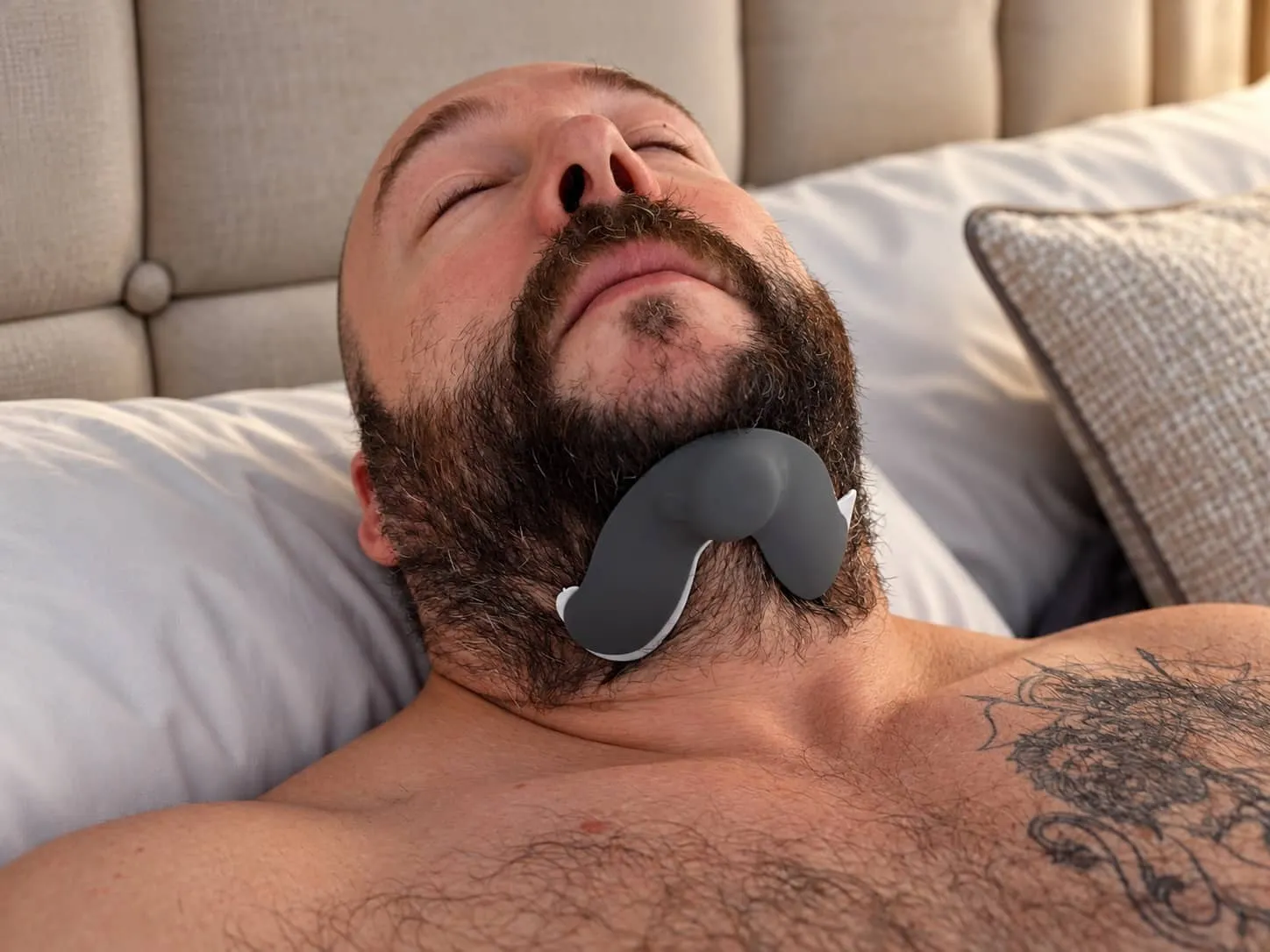
Zeus Sleep made a noticeable difference to my snoring and earned an enthusiastic response from my wife. But daily charging, awkward controls and a few practical limitations mean there is still room for improvement.
The most convincing verdict on Zeus Sleep came from someone who never had to wear it. My wife.
After years of listening to my snoring, she noticed a significant reduction when I started using the device. She was every bit as impressed as I was, which carries considerable weight when you consider who has been on the receiving end of the noise all this time.
As someone who lives with sleep apnoea, I was particularly interested in putting Zeus Sleep to the test. I already use an apnoea machine as my primary treatment, and I had no intention of abandoning it. What intrigued me was the possibility of reducing my snoring with something considerably less cumbersome.
On that particular measure, Zeus Sleep delivered. Living with it, however, revealed a few shortcomings that became harder to overlook as the nights went by.
How well does Zeus Sleep actually work?
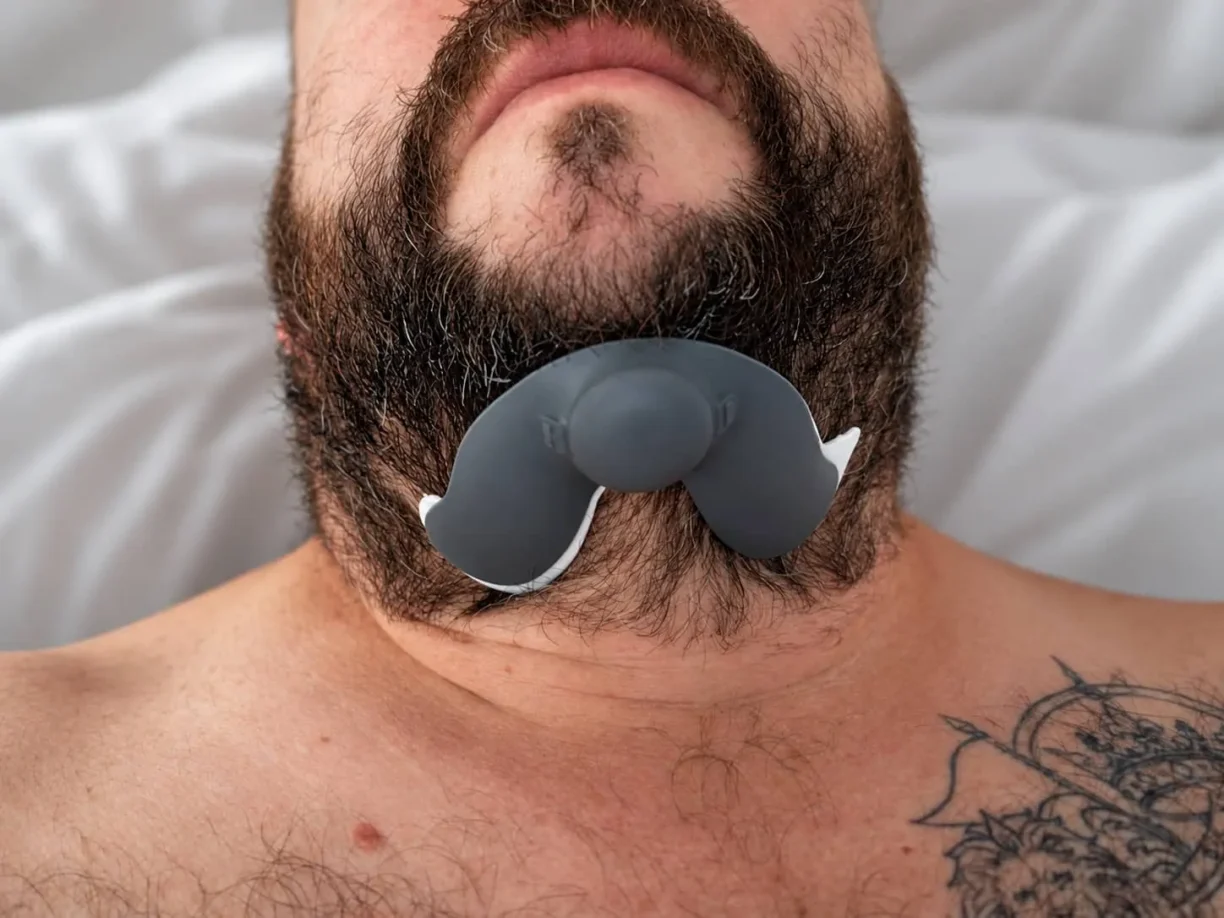
Zeus Sleep takes a different approach from conventional anti-snoring mouthguards. It is an external device designed to stimulate muscles in the upper airway, using adhesive pads rather than anything that needs to be held inside the mouth.
The treatment is silent, which is an obvious advantage for something intended to reduce nighttime disturbance.
There is also an encouraging clinical research background to the technology, although that should not be mistaken for a guarantee that every user will experience the same results. Snoring has different causes, and Zeus Sleep will not necessarily be appropriate for all of them.
My experience was nonetheless extremely positive.
The improvement was substantial enough for both of us to notice, and my wife was particularly enthusiastic. That is a useful distinction because the person snoring is not necessarily the best judge of how disruptive the noise has become.
Her reaction provided the most persuasive evidence of a meaningful difference in our household. It was a personal observation rather than a formal measurement, but an important one all the same.
Why Zeus Sleep makes sense for travelling
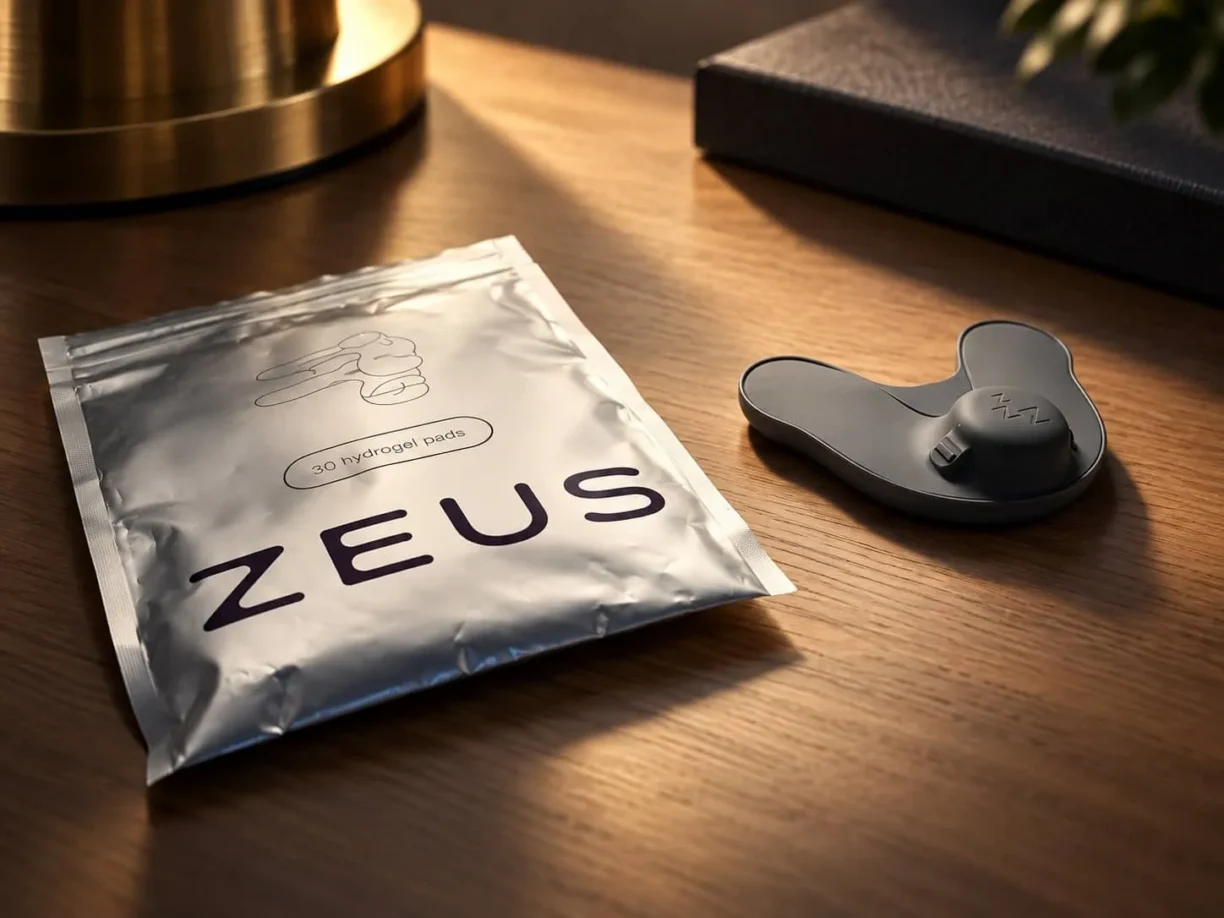
Portability is one of the device’s strongest features.
Anyone accustomed to managing sleep equipment away from home will appreciate the attraction of something smaller and easier to handle. Packing for a trip is rarely improved by having to accommodate another sizeable piece of equipment.
Zeus Sleep was particularly convenient in that respect. Its external design made it straightforward to manage while travelling, without the bulk associated with more cumbersome sleep equipment.
That convenience became one of the things I appreciated most during testing.
There is, however, an important medical distinction. For somebody living with obstructive sleep apnoea, reduced snoring does not establish that the underlying condition is being treated. Portability alone is not a reason to replace or leave behind prescribed therapy.
I would continue to rely on my apnoea machine as my primary treatment. Zeus Sleep impressed me as an anti-snoring device, and those are two different considerations.
Two everyday frustrations Zeus Sleep needs to address
As much as I liked the results, two aspects of Zeus Sleep became persistent irritations.
The first was the battery.
Having to charge the device every day was a nuisance. This might sound like a minor complaint, but products designed for nightly use need to fit comfortably into an existing routine.
Remembering to charge another electronic device before bed is hardly an insurmountable challenge. Nevertheless, it introduces a small but unnecessary inconvenience, particularly when travelling.
Forget to charge it, and you have created a problem for the very routine the product is supposed to simplify.
My second complaint concerned the controls.
The buttons were surprisingly difficult to press, making it awkward to select the correct setting. What ought to have been a simple adjustment sometimes became a fiddly exercise in getting the device to respond as intended.
There is something faintly absurd about wrestling with the controls of a sleep product when all you really want to do is go to bed.
Neither issue undermined the reduction in snoring I experienced. Both affected how pleasant the device was to use, however, and that matters more with something you are expected to operate every evening than with a gadget you pick up occasionally.
Better buttons and less frequent charging would make a considerable difference to the overall experience.
Comfort, adhesive pads and facial hair
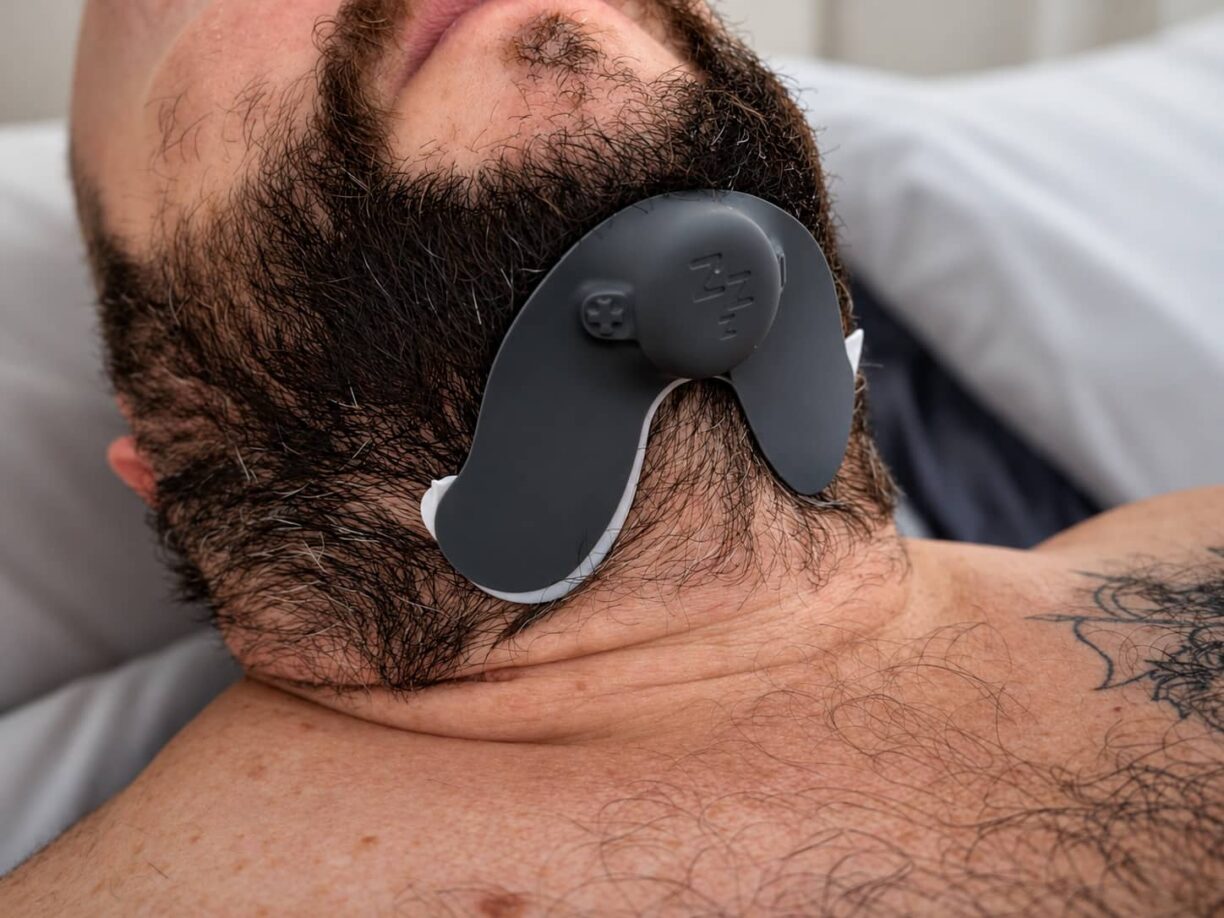
The adhesive pads introduced another small consideration.
Removing them the following morning occasionally caused mild discomfort, although nothing serious enough to make me reluctant to continue using the device.
There is also a warning in the product guidance that men with beards may encounter difficulties. Facial hair can potentially interfere with the adhesive pads, although that was not a significant problem in my case.
I have facial hair myself and found the arrangement manageable.
Nevertheless, it is something prospective users should consider, particularly if they have a beard and are concerned about how securely the pads will adhere.
The comfort issue was relatively minor compared with my frustrations over charging and adjusting the controls. Once those larger irritations are addressed, the everyday experience would feel considerably more refined.
Zeus Sleep pros and cons
Pros
- Significantly reduced my snoring, with my wife confirming the improvement
- External, silent design without the need for a mouthguard
- Compact and convenient for travelling
- Designed to target upper-airway muscles
- Encouraging clinical development and research background
- Facial hair did not present a significant problem during my testing
Cons
- Needs charging every day
- Buttons are awkward to press and settings can be frustrating to adjust
- Adhesive pad removal occasionally causes mild discomfort
- Beards may interfere with adhesion for some users
- Not necessarily effective for every cause of snoring
- Not a substitute for prescribed obstructive sleep apnoea treatment
Final verdict: Excellent snoring results, but the controls need work
Zeus Sleep left me with a rather unusual dilemma. I was thoroughly impressed by what it achieved, yet regularly irritated by some of the practical details.
The daily charging requirement became tiresome, and the stubborn buttons made selecting the correct setting more troublesome than it should have been. These are not dramatic faults, but they are precisely the sort of details manufacturers need to get right when designing a device for nightly use.
Thankfully, the most important part of my experience was overwhelmingly positive.
My snoring was noticeably reduced, and my wife was delighted. That improvement was meaningful enough to outweigh the inconveniences, even if it did not make them disappear.
Zeus Sleep will not be suitable for everybody, and anyone undergoing treatment for sleep apnoea should continue following their clinician’s advice rather than regarding quieter snoring as evidence that their condition has improved.
For my own snoring, though, the device proved remarkably effective.
I would welcome more convenient charging and controls that do not require quite so much determination. But those improvements would refine an experience that was already encouraging.
And given my wife’s reaction to the quieter nights, I suspect she would happily put up with the occasional complaint about the buttons.
It is certainly preferable to putting up with my snoring.