Dr Abdulaziz Balwi explains how restrictive diets, poor sleep and tight hairstyles may affect hair, and addresses the creatine question.
Earlier alarms, stricter meals and extra gym sessions are central to the autumn fitness challenge. Dr Abdulaziz Balwi explains where those habits may put hair under strain, and why supplements need a more careful conversation.
A Winter Arc fitness plan can look impressively organised: workouts booked, meals planned, alarm set for an hour previously reserved for sleeping. Before committing to an autumn overhaul, there is another part of the routine worth considering: what all that change might mean for your hair.
The TikTok trend centres on a roughly 90-day push from 1 October towards the new year. Typical commitments include four or five gym visits a week, earlier mornings and a strict whole-food diet with plenty of protein. The calendar supplies the deadline; enthusiasm supplies the rest.
Dr Abdulaziz Balwi, medical director at hair clinic Elithair, warns that restrictive eating, significant weight loss and poor sleep may contribute to shedding. Tight hairstyles and certain hormone-affecting substances raise different concerns.
That distinction matters. A warning about several possible habits should not become a verdict that signing up for a fitness challenge will cost you your hair. The useful question is what your particular plan asks of you.
An earlier alarm needs an earlier bedtime
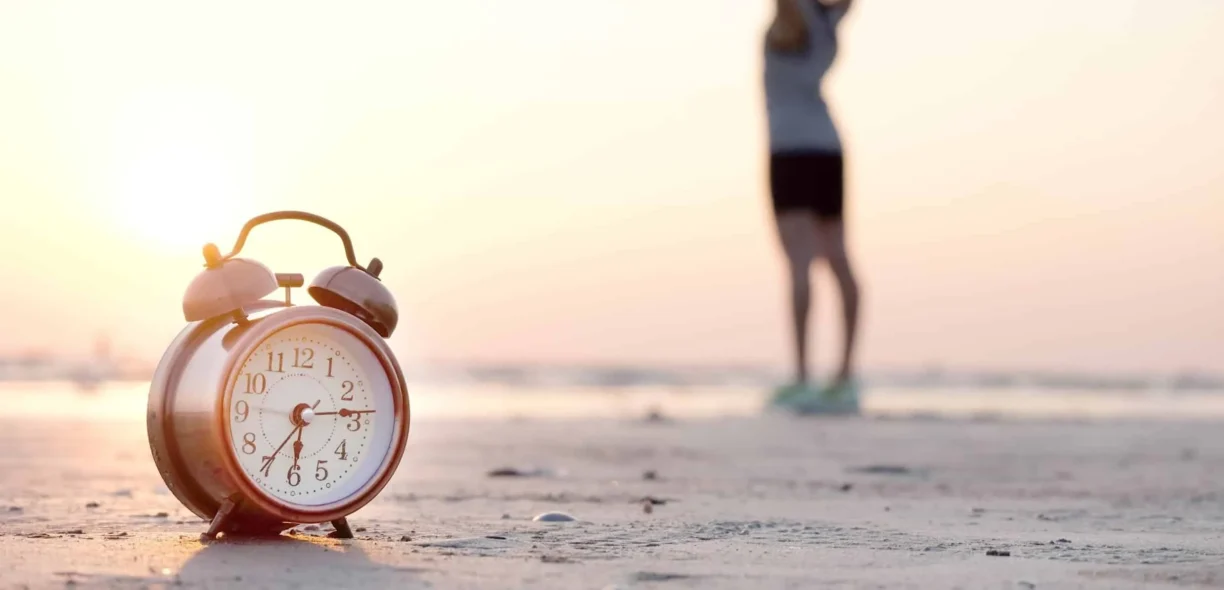
Getting up early is an easy achievement to measure. How well you have slept is less convenient to put on a progress chart.
Balwi says poor sleep can exacerbate hormonal imbalances that affect the hair growth cycle and may contribute to shedding. His advice is to establish a routine that allows consistent, good-quality sleep.
For anyone moving a workout into the morning, the practical consideration is whether bedtime can move too. An ambitious wake-up time deserves a place in the diary alongside the hours needed to rest. There is little sense in treating sleep as the spare time left over once the transformation schedule is full.
Restrictive eating deserves more attention than the protein label
Dietary change is another area where the details matter. Balwi explains that significant changes in nutrition and weight can disrupt the hair growth cycle, prompting follicles to enter their resting phase and leading to shedding.
He also warns that restrictive diets may leave the body short of nutrients needed for hair growth. A plan can be meticulous about protein while giving considerably less thought to everything else on the plate.
Protein shakes and bars offer convenience, but their prominent protein claims tell only part of the story about their ingredients. Balwi recommends checking sugar content and choosing lower-sugar options.
That is a reason to read the label carefully. It does not establish that a particular shake causes hair loss, and increasing protein intake should not automatically be presented as a cause of thinning. The broader concern in his dietary advice is whether a restrictive routine supplies the nutrition the body needs.
Give tightly tied hair a break
Some potential problems have a more straightforward connection to a gym habit.
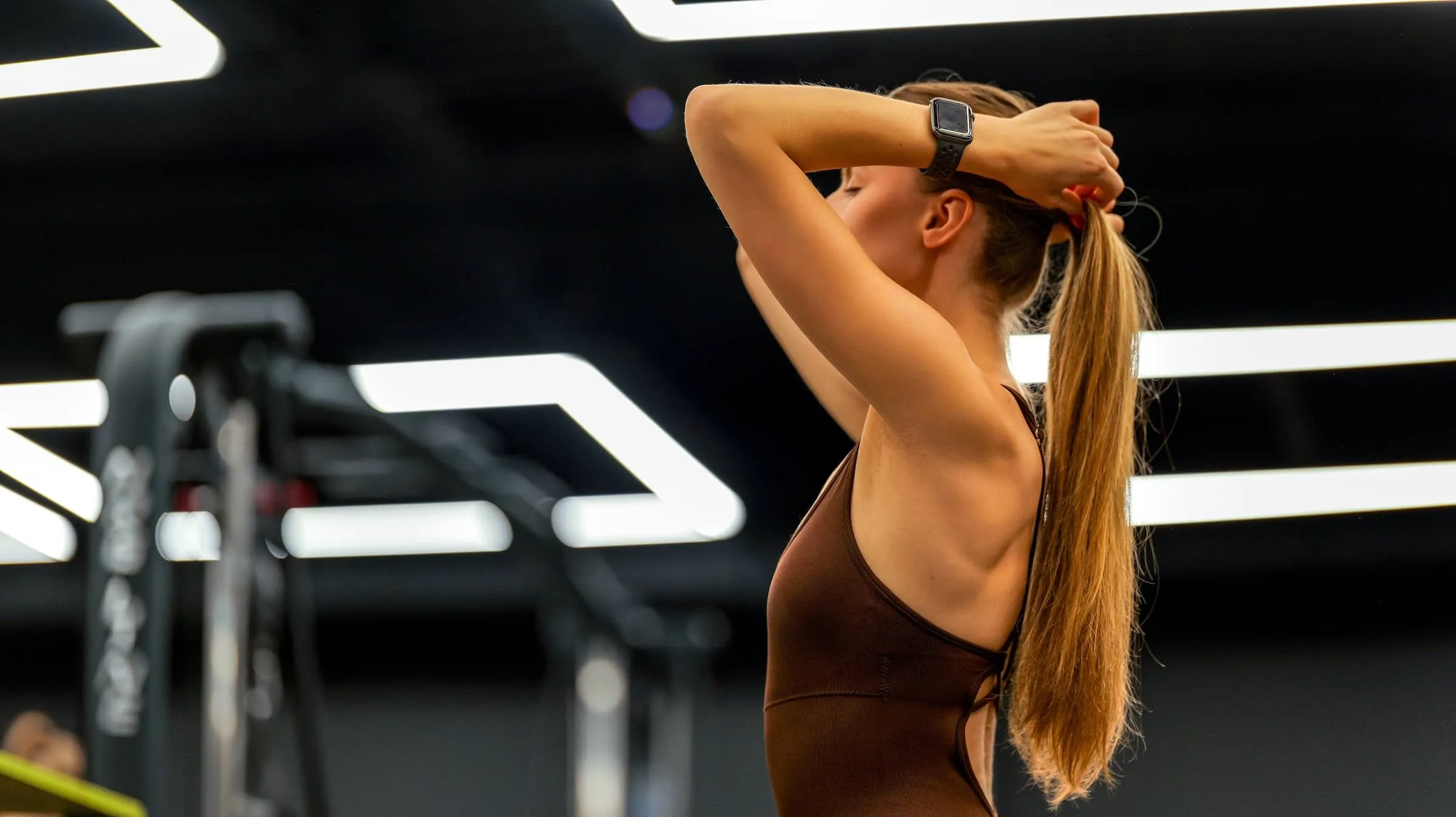
Balwi warns that repeatedly wearing a tight ponytail or bun can pull on the hair and contribute to traction alopecia, a form of hair loss associated with that tension. Keeping hair out of your face is practical; pulling it excessively tight adds a strain worth avoiding.
He also points to scalp irritation when sweat combines with oil, dirt and bacteria. This may contribute to inflammatory conditions such as folliculitis, and persistent inflammation can affect the scalp environment needed for healthy hair growth.
Balwi recommends washing after exercise with a gentle shampoo. His emphasis is on keeping the scalp clean without stripping its natural oils, rather than treating every sweaty workout as a threat to hair.
Be specific about performance supplements
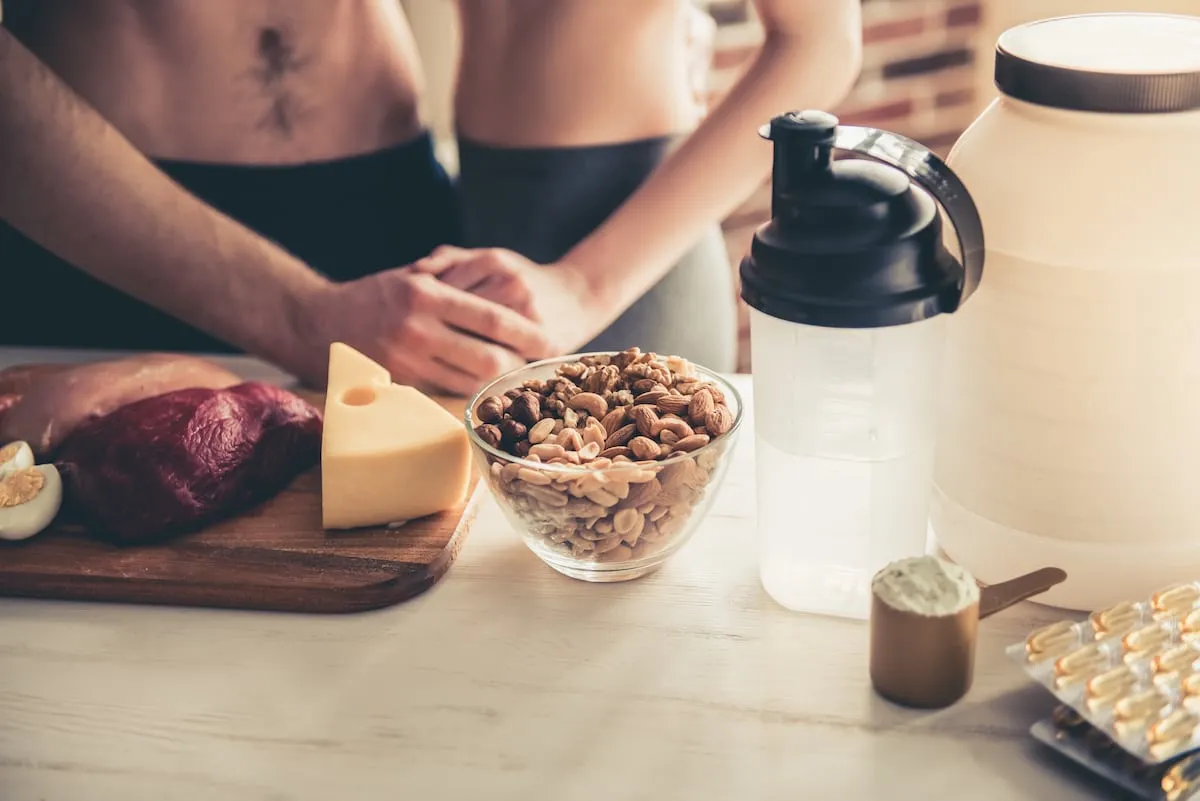
The word “supplement” covers products that should not be treated as interchangeable.
“Some performance supplements can potentially contribute to hair thinning, particularly those that affect hormone levels,” Balwi says.
“Anabolic steroids and certain bodybuilding supplements containing androgenic compounds can increase levels of hormones such as DHT, which may accelerate hair loss in people who are genetically susceptible, often resulting in noticeable thinning at the hairline and crown.”
His warning is specific to substances with those hormonal effects and to susceptibility. It should not become a blanket claim about every product sold to people who exercise.
What does Balwi say about creatine?
Creatine merits a separate answer, particularly in a discussion that could otherwise leave readers suspicious of everything in the gym bag.
“There is currently no strong scientific evidence that creatine directly causes hair loss,” Balwi says.
“For most people, taking creatine as recommended is unlikely to cause hair thinning, but those who are already genetically predisposed to male or female pattern hair loss may want to monitor any changes in shedding or hair density and seek advice from a hair specialist if they notice a difference.”