Palermo Marathon brings runners to Sicily for a November runcation combining historic streets, Mediterranean conditions and a proper city break.
The runcation has found a particularly persuasive setting in Palermo, where the Palermo Marathon offers overseas runners a November race through Sicily’s capital, surrounded by historic architecture, distinctive culture and numerous UNESCO World Heritage Sites. It is the sort of arrangement that allows a marathon entry to masquerade as sensible holiday planning.
That is the central appeal of travelling abroad to run. You are not merely visiting another city, nor are you spending an entire trip fretting over your kilometre splits. Done properly, a runcation gives the journey a purpose while leaving enough time to discover somewhere new once your legs have resumed diplomatic relations with the rest of your body.
Palermo is the latest addition to TUI’s expanding marathon portfolio. The travel group will serve as the platinum sponsor of the event on 15 November before it becomes the TUI Palermo Marathon from 2027. The initial agreement runs until the end of 2029.
The commercial branding is unavoidable, but the proposition for runners remains straightforward: enter an established city marathon, build a longer Sicilian trip around it and return home with something more interesting than another airport refrigerator magnet.
Why Palermo Works as a Runcation Destination
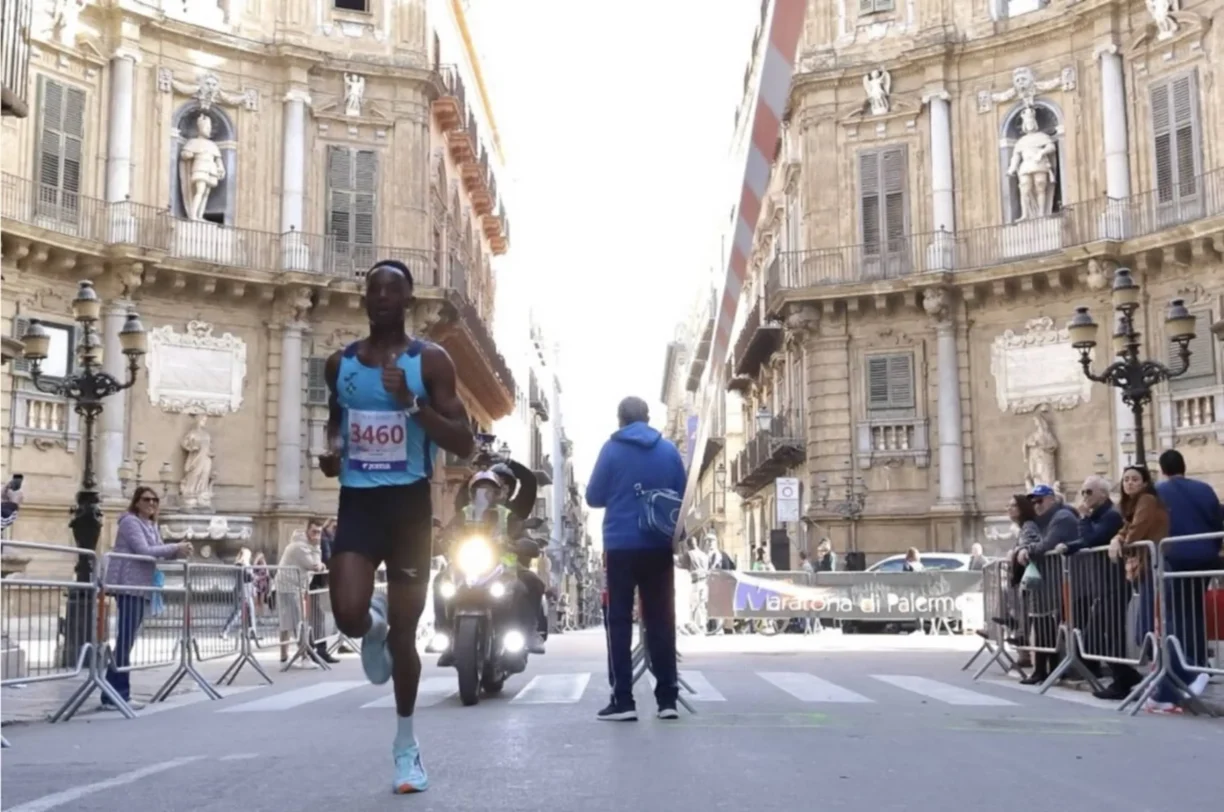
The Palermo Marathon is now in its 31st year. Its most recent edition attracted more than 3,000 runners representing 35 countries, giving it an international field without turning the occasion into an anonymous mass-participation conveyor belt.
Its most compelling asset is the setting. The route winds through Sicily’s capital, where layers of Arab, Norman, Byzantine, Baroque and Italian influence have produced a city that rarely troubles itself with architectural restraint.
For travelling runners, that backdrop matters. There is a substantial difference between completing 26.2 miles around a collection of anonymous bypasses and racing through a city with enough history and personality to distract you from the increasingly urgent debate taking place between your calves and your central nervous system.
Palermo also gives the trip a life beyond race day. A successful runcation should never depend entirely on whether the runner hits a personal best. Weather, pacing, nutrition and the occasional rebellious hamstring can all intervene. The destination is the insurance policy.
A bad race in an interesting city is still an interesting trip. A bad race beside an industrial estate is largely just a bad race.
A Holiday With a Start Line
The growth of destination running is not difficult to understand. Traditional city breaks can become loose collections of restaurant bookings and increasingly ambitious plans to visit museums. Adding a race gives the trip shape.
Training provides anticipation. Registration creates commitment. Race day produces the central event, while the days before and afterwards allow the runner to experience the destination without attempting to cram an entire holiday into one exhausted Sunday afternoon.
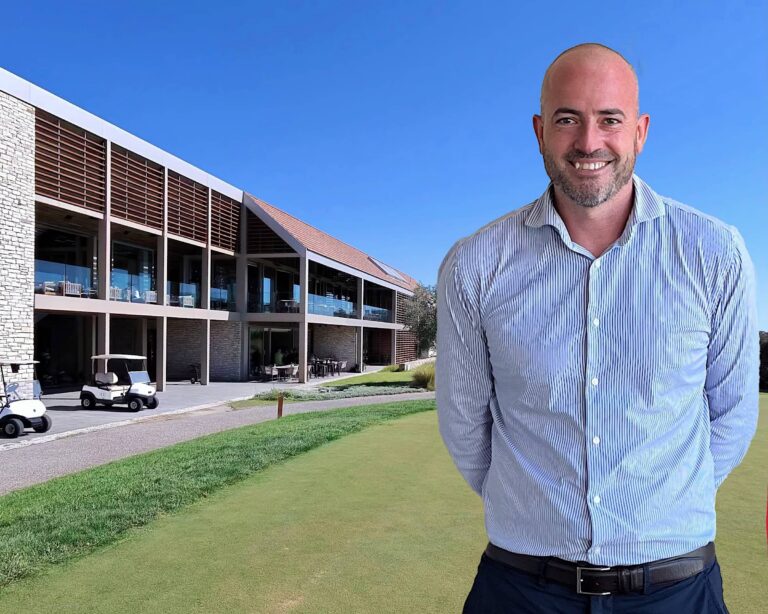
Sebastian Ebel, CEO of the TUI Group, believes this combination is driving the company’s marathon expansion.
“The partnership with the Palermo Marathon is the next step in our highly successful marathon strategy. The TUI Marathons in Cyprus and Rhodes have shown impressive growth this year, and the TUI Palma Marathon in October has been sold out since April,” said Sebastian Ebel, CEO of the TUI Group.
“The trend of combining sporting events with unforgettable stays in exciting holiday destinations and enjoying them as an extended holiday shows no sign of abating.
The marathons in the TUI Mediterranean Marathon League take place in the off-season in spring and autumn, thus offering ideal conditions for runners. At the same time, the marathons boost travel volumes outside the peak season.
This is a clear benefit for local communities. The participants show that our marathons appeal to people of all generations, with runners under the age of 30 particularly well represented at the recent marathons in Mallorca and Rhodes.”
There is, naturally, a substantial business case behind persuading several thousand people to travel during quieter months. Airlines, hotels, restaurants and local businesses all gain visitors outside the traditional summer rush.
Yet there is also sound logic for runners. The Mediterranean in high summer is superb for swimming, lunch and lengthy discussions about whether another bottle should be ordered. It is less ideally suited to marathon running. Spring and autumn events offer a more credible balance between athletic endeavour and holiday enjoyment.
Palermo Joins a Mediterranean Running Circuit
The Palermo Marathon becomes part of the TUI Mediterranean Marathon League alongside events in Rhodes, Cyprus and Mallorca. Discussions are also taking place with other marathons.
For runners who enjoy making events the anchor of an overseas trip, the developing series creates several distinct possibilities rather than a collection of interchangeable races. Palermo offers the atmosphere of a Sicilian capital; Rhodes brings an island setting; Mallorca combines a major running event with one of Europe’s most familiar holiday destinations.
The strongest runcations are built on that sense of place. Travelling abroad merely to reproduce the same race experience available at home rather misses the point. The destination should alter the character of the weekend, from the food and architecture to the climate, spectators and post-race recovery plans.
Preferably, those recovery plans should involve sitting down.
Rhodes Shows the Scale of the Opportunity
TUI has also extended its title sponsorship of the Rhodes Marathon until at least 2030. The original arrangement covered the 2025, 2026 and 2027 races, with a further two editions now added.
Launched in 2014, the event attracted more than 5,000 runners from 65 countries for its 11th edition in 2026. TUI described that figure as a significant increase compared with the first marathon held under its title partnership.
“The partnership with the TUI Rhodes Marathon was a natural extension of our relationship with this incredible Greek island and a great success. With more than 5,000 runners from 65 countries, we were able to significantly increase the number of participants compared to the first TUI Rhodes Marathon,” said Ebel.
“The TUI Rhodes Marathon is a great example of how we at TUI combine sports and sustainable tourism, and underlines our commitment to the island of Rhodes – a destination cherished by millions of TUI customers and, through the Rhodes Co-Lab, a collaborative project with the Government of the South Aegean Region, at the heart of the company’s sustainable tourism initiatives.”
The organisers say the extended relationship will place further emphasis on sustainability, inclusion, local collaboration and innovation.
“We are very proud to continue our collaboration with TUI and to strengthen our relationship with a long-standing partner of Rhodes and a committed champion of sustainable tourism,” said Papavasileiou on behalf of the organising committee.
“This extension not only underlines the successful launch of our collaboration with TUI this year, but also our shared vision to further develop the TUI Rhodes Marathon in the coming years and showcase the beauty of our island to the world.”
Rhodes provides a useful indication of how quickly an established destination race can attract an international audience when travel and event distribution are brought together. Palermo now has the chance to develop along a similar path while retaining its own identity.
How to Plan a Runcation Properly
The sensible runcation is a holiday with a race in it, not a race with an airport attached.
Arriving at the last possible moment may reduce accommodation costs, but it also introduces delayed flights, unfamiliar food and frantic race-number collection into a weekend already containing 26.2 miles of voluntary discomfort.
A better approach is to leave space around the event. Time before the race allows for registration, gentle exploration and recovery from travelling. Time afterwards provides room for sightseeing, eating and descending staircases at a speed normally associated with historic geological processes.
The marathon should remain the centrepiece, but it need not consume the entire itinerary. Palermo’s appeal lies in giving runners a genuine reason to remain once the medal has been collected.
That distinction is important. A destination race should not feel like an ordinary marathon that happens to require a passport. It should offer a setting, culture and atmosphere capable of turning months of training into a memorable journey.
Why Palermo Deserves Consideration
Palermo combines the practical attractions of an established marathon with the broader rewards of a Sicilian city break. The event already attracts runners from across the world, takes place outside the peak summer period and follows a route framed by one of Europe’s most culturally distinctive capitals.
TUI’s involvement will inevitably increase the branding around the race. It may also make the event more visible and accessible to runners looking for a structured overseas marathon trip.
The real attraction, though, is not the sponsor’s name printed above the start line. It is the opportunity to attach a place, a journey and a few days of genuine discovery to the long business of marathon training.
After all, if you are going to spend Sunday morning running 26.2 miles, you may as well arrange for Sicily to be waiting at the finish.