You don’t need a famous lakeside postcode to find a dramatic view. An Avis ranking points towards Scottish ruins, a submerged Italian village and a Welsh lake with an Arthurian claim.
A European lake holiday can become a fairly predictable exercise. You pick a famous name, find the postcard view and discover that quite a few other people have had precisely the same idea.
Scotland’s Loch Assynt offers another possibility: mountain scenery, the remains of a castle and a mermaid whose story is unlikely to feature in an ordinary tourist brochure.
The Highland loch has topped a list of Europe’s most underrated lakes compiled by car-hire company Avis. It scored 92 out of 100, ahead of Lake Biograd in Montenegro on 90 and France’s Pavin Lake on 88. Italy’s Lake Resia and Wales’s Llyn Ogwen round out the top five, with 86 and 84 respectively.
Avis says it considered scenery, local legends, airport proximity and online popularity. That makes this an interesting collection of places to investigate, rather than an objective verdict on which lake deserves the top spot.
Loch Assynt: a ruined castle and a mermaid
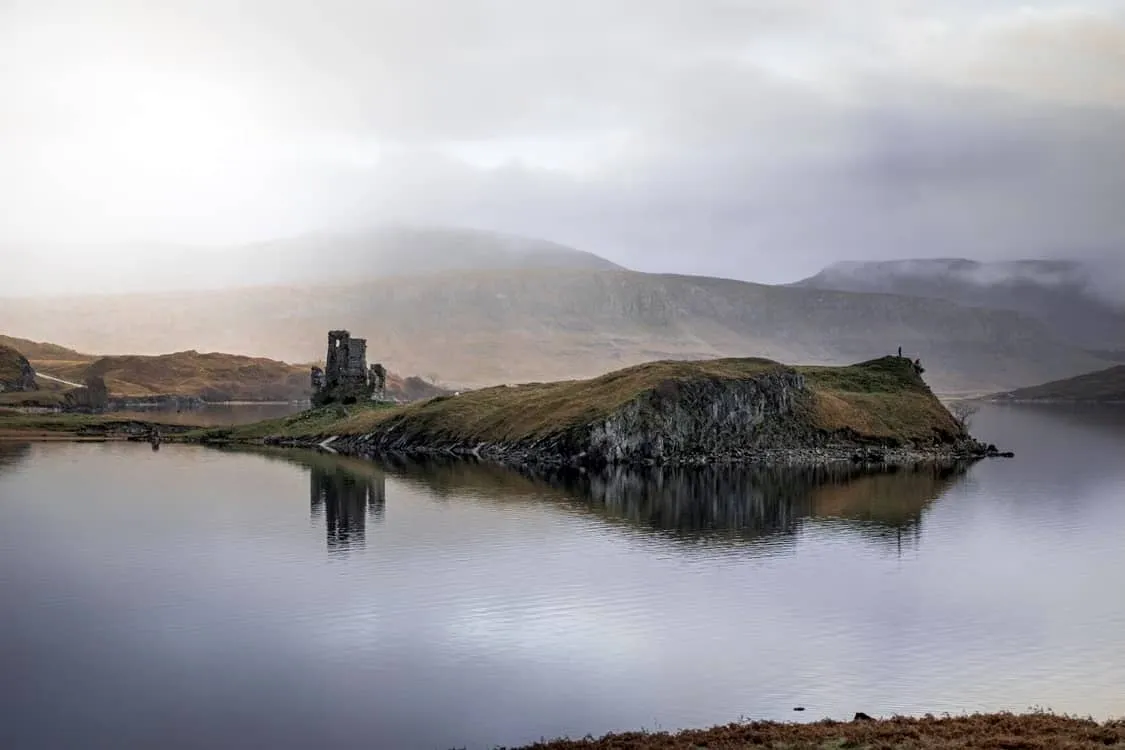
Rugged Highland mountains rise around Loch Assynt, while the ruins of Ardvreck Castle give the landscape a focal point with rather more character than a souvenir shop.
Then there is the Mermaid of Assynt. According to local legend, the creature haunts the loch after a chief’s daughter was promised to the Devil. Whether or not you care for supernatural tales, it is a memorable bit of local folklore to go with an already striking setting.
In Avis’s figures, Loch Assynt attracts around 1,900 Google searches a month and has 5,536 associated Instagram hashtags — fewer on both measures than the other lakes in its leading five. Those numbers suggest relatively modest online attention, not necessarily empty shores.
The company places it approximately 144km from Inverness Airport. That is a useful starting point for planning, although a distance on a ranking cannot tell you how long the journey will take.
Forest reflections and a French volcanic lake
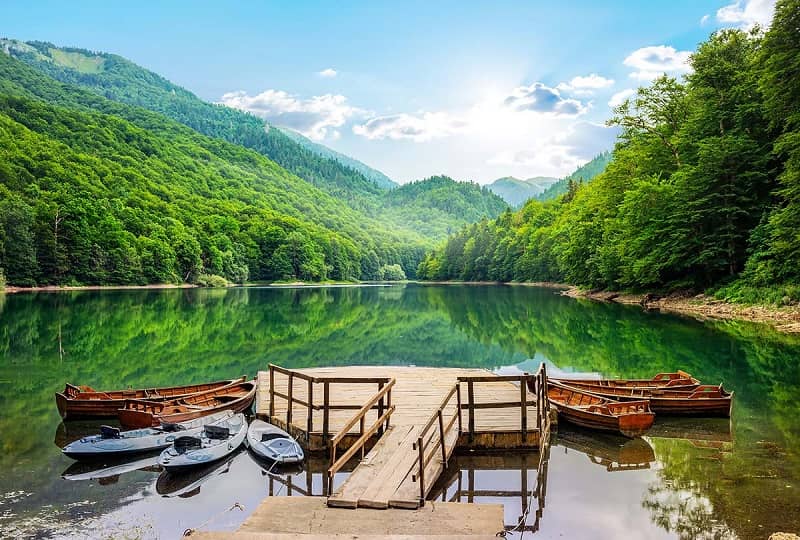
Second-placed Lake Biograd has a different sort of appeal. Set within Montenegro’s Biogradska Gora National Park, it is framed by dense, ancient woodland and mountains reflected in the water. Avis gives it a score of 90 and puts it around 88km from Podgorica Airport.
Its associated story is considerably darker than the scenery. Folklore tells of a mother who cursed the land after one son killed another during a dispute over a harvest, with the lake said to have formed as a result. It’s a reminder that the word ‘magical’ can cover some fairly grim family history.
Pavin Lake, third with 88 points, offers a change of landscape. In France’s Auvergne region, the almost circular volcanic crater lake sits amid forest. Avis puts it about 55km from Clermont-Ferrand Airport, the shortest airport distance of the five places featured here.
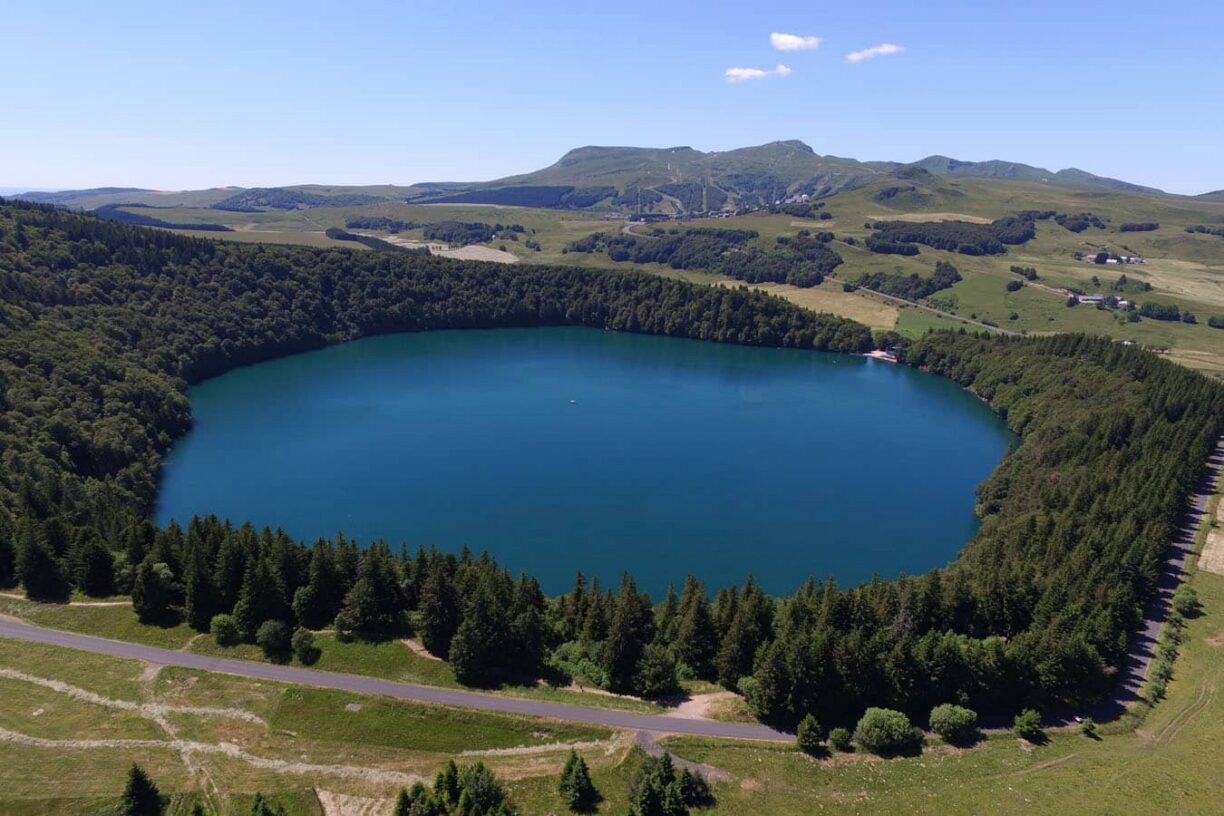
Its legend comes with a warning: the Devil is said to guard the depths, and throwing a stone into the lake supposedly summons a thunderstorm. Best understood as a story, of course, not an invitation to test the local weather.
An Italian bell tower and a Welsh sword
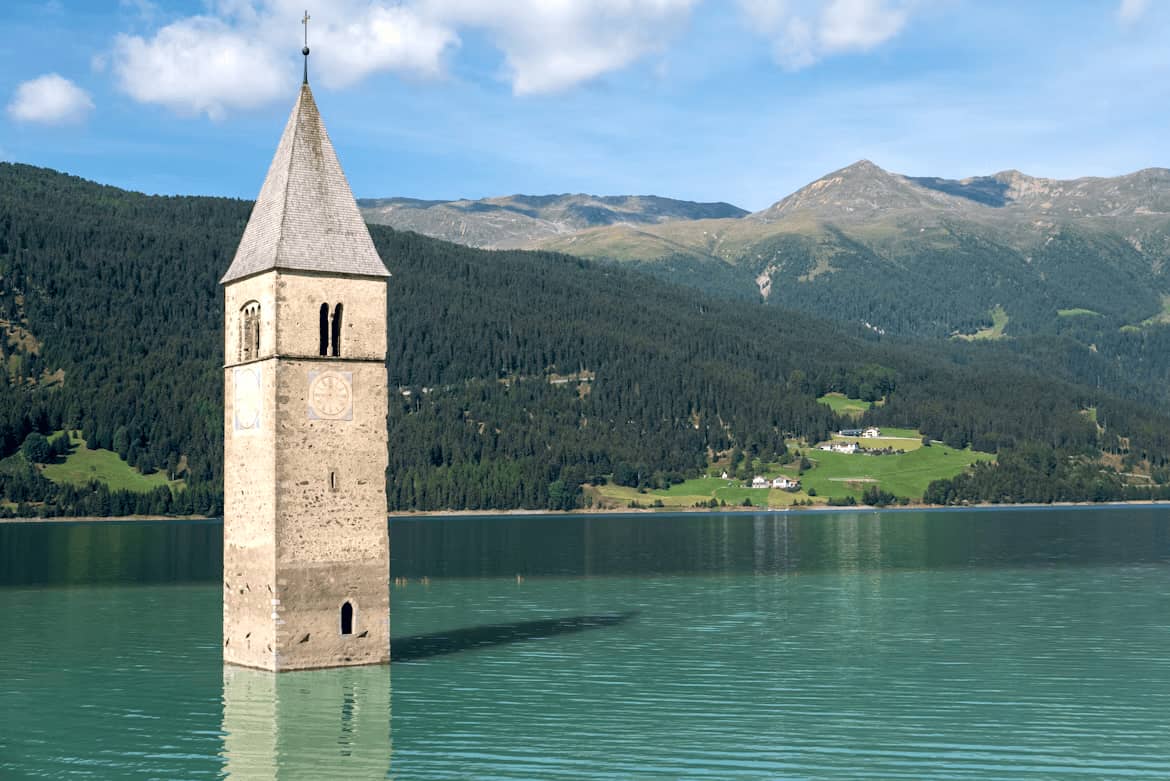
The most unusual landmark in the top five may belong to Lake Resia in the Italian Alps. A medieval church tower rises out of the reservoir, a visible reminder of the old village of Curon, which was submerged when the reservoir was created in 1950.
Local tales suggest the church bells can still be heard beneath the water on winter nights. Avis ranks Lake Resia fourth on 86 points and places it around 105km from Innsbruck Airport. The submerged village is the historical part of the story. The bells are where folklore takes over.
Fifth-placed Llyn Ogwen brings the list back to Britain. Surrounded by the peaks of Snowdonia in north Wales, the lake is associated with the legend of Excalibur, King Arthur’s sword. It scored 84 points, and Avis places it approximately 137km from Liverpool John Lennon Airport.
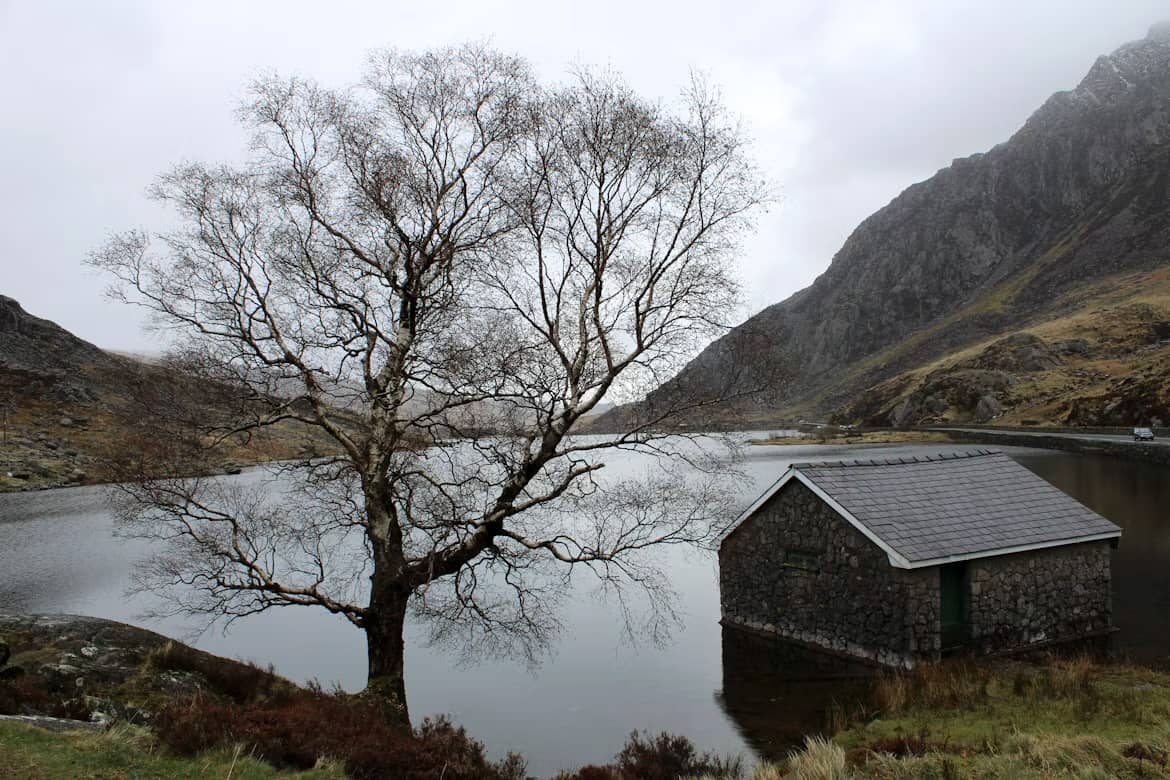
For British travellers weighing up a landscape-led break, that makes two of the top five domestic options. One offers Highland ruins and mermaid lore; the other, mountains and an Arthurian mystery. Neither needs a claim of literal magic to be worth a closer look.
What does ‘underrated’ really mean?
|
What the five lakes do offer is a useful reminder that a memorable trip need not begin with the most famous name on the map.
Sometimes the more interesting question is not whether you have heard of the place, but what you might find when you get there.