Practical home, tech and travel tips for mobility problems in older adults—stay independent, safer, stronger and socially connected.
Mobility problems in older adults don’t just announce themselves at the front door. They turn up quietly, then start negotiating: you’ll find yourself planning your day around the stairs, the bath, the walk to the shops, the simple act of standing long enough to make a cup of tea. And that’s the bit people don’t always say out loud. It’s not just the body that changes. It’s the map of your life.
But here’s the truth that deserves a louder voice: mobility problems in older adults don’t have to mean surrendering independence. With a few sensible adaptations—and a willingness to stop doing things the hard way just because you’ve always done them that way—life can stay full-sized.
Start at home, because that’s where confidence is either rebuilt or chipped away. The bathroom, in particular, is often the most dangerous room in the house, not because it’s unfamiliar, but because it’s slippery, rushed, and filled with awkward movements at odd angles. A couple of well-placed grab bars and a non-slip surface can feel unglamorous, but they’re the sort of boring decisions that prevent dramatic outcomes. If standing up from the toilet is becoming a daily battle, a raised seat is not a symbol of decline; it’s a practical fix. And if stepping into a bath feels like crossing a stile in the rain, a walk-in shower isn’t “luxury”—it’s common sense.
Then there’s the wider house, where the little irritations start adding up. Doorways that catch a walker. Round doorknobs that demand grip strength you no longer have. Rugs that slide just enough to turn a confident stride into a wobble. These aren’t character-building challenges; they’re hazards.
Widening access, swapping knobs for lever handles, installing a ramp where needed, clearing loose cords, and adding night lights along the bed-to-bathroom route—this is the difference between moving through your own home with ease and moving through it like it’s trying to trip you up.
Of course, the most emotionally loaded changes are often the ones you can see. Mobility aids sit in the corner and seem to shout their presence. A cane, a rollator, portable motorized wheelchairs — people fear they signal a loss. In reality, they’re often the opposite. They’re the tools that keep you upright, reduce falls, and allow you to keep doing ordinary things without having to ask for help every five minutes.
The same goes for those quieter helpers nobody talks about: the reacher that saves you from stretching for a high shelf; the dressing aid that stops you twisting into pain; the weighted utensil that steadies a shaky hand. They don’t change who you are. They change what you can do, comfortably and safely.
Technology, too, has started to earn its keep. For someone living with mobility problems in older adults, a voice-controlled device that turns on lights or calls a family member isn’t a gimmick. It’s a small layer of control. Medication reminder apps are less about nagging and more about maintaining routine when days blur together.
Personal emergency response systems—those wearable buttons people used to mock—can be the thing that makes someone feel safe enough to continue living independently.
And then we get to the part that can feel like a lecture, but shouldn’t: lifestyle. When mobility reduces, energy becomes currency. You can spend it on living, or you can spend it on unnecessary strain. That’s why the smartest shifts are the ones that simplify. Meal prepping so you’re not standing and chopping every day. Accepting help for heavy housework rather than pushing through until you’re exhausted. Decluttering not for aesthetics, but because navigating around piles of “I’ll sort that later” is physically and mentally draining.
Movement still matters, too—perhaps more than ever—but it has to be the right kind of movement. Not punishment. Not pride. Just the steady work of keeping muscles engaged and joints moving in ways that fit your body. Chair-based exercises, gentle stretching, water-based activity, and adapted yoga or pilates can all support strength and flexibility without the brutal impact that turns good intentions into bad flare-ups. The aim isn’t to become an athlete at 78. It’s to keep standing, keep turning, keep reaching, keep walking—on your terms.
There’s also a less discussed consequence of reduced mobility: isolation. If getting out becomes a hassle, social life is often the first thing to slip away. That’s when online communities, video calls, book groups, hobbies—anything that keeps the mind active and the heart connected—stop being “nice extras” and become essential. People don’t just need to be safe. They need to feel part of something.
Transport sits right alongside that. It’s hard to talk about independence if you can’t reliably get to appointments, run errands, or see friends. Depending on where you live, paratransit services, ridesharing, or medical transport can be the difference between participating in life and watching it from the window. A solid transport plan might not sound inspirational, but it’s a practical antidote to dependence and loneliness.
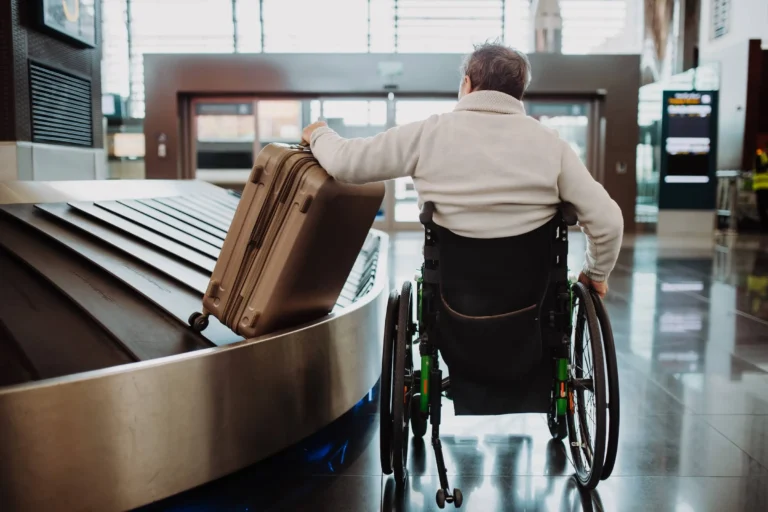
And yes—travel. The instinct is to assume travel becomes off-limits once mobility becomes complicated. It doesn’t. It just requires planning with your eyes open. Researching accessibility before booking, choosing accommodation that’s actually workable, packing your mobility aids and essential medical documents, asking for assistance without embarrassment, and pacing the itinerary like a grown-up—these aren’t limitations, they’re tactics. For many seniors, cruises can be particularly sensible: accessible cabins, plenty of facilities, and the convenience of unpacking once while seeing several places.
The conclusion, really, is this: being restricted doesn’t mean giving up on life’s pleasures. It means adjusting the method. Mobility problems in older adults are real, and they can be brutal, but they’re not a verdict.
The best outcomes come when people stop treating adaptation as defeat and start treating it as what it is—good planning.