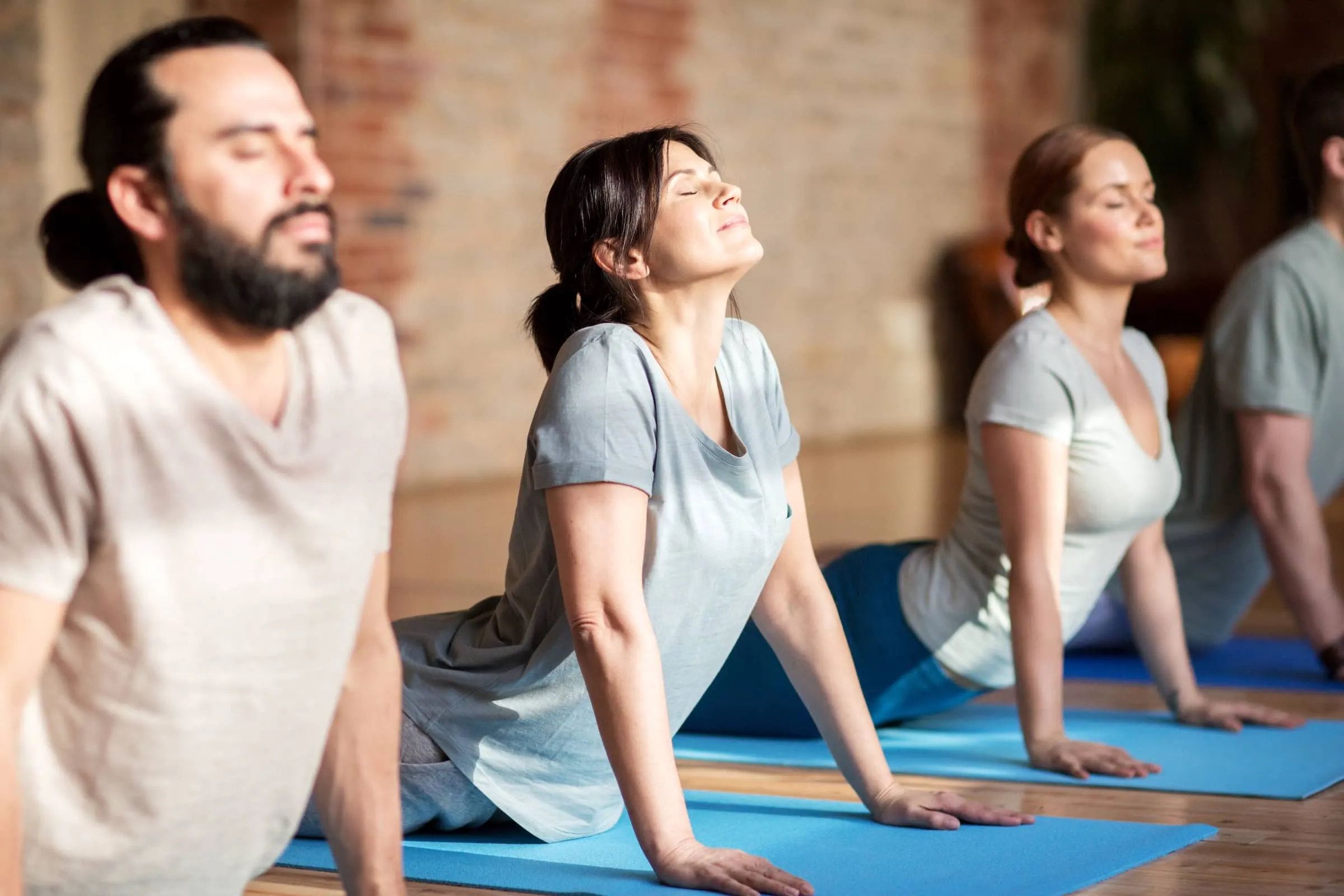
A realistic guide to keeping in shape with walking, strength work, balance training and smart planning for later life.
There comes a point when keeping in shape stops being about vanity and starts being about usefulness. It is no longer a scrap with the clock or an argument with the bathroom mirror. It is about getting through the day with enough strength to carry the shopping, enough balance to trust your footing, and enough energy left in the tank to enjoy life rather than merely endure it.
Age changes the terms, of course. The body can take a touch longer to warm up, and a little longer still to forgive you for overdoing it. But that does not mean decline has to be accepted like bad weather. It simply means the approach to fitness needs to be smarter, steadier and far less theatrical.
Why staying active matters as you get older
The body is a marvellous machine, but it does not come with unlimited spare parts. Muscle mass naturally dips with age, joints can stiffen, and balance can become a little less reliable. That is why regular movement matters so much. Staying active helps support strength, mobility and coordination, all of which make ordinary life feel far less like an obstacle course.
It is not just about muscles and joints either. Movement can sharpen mood, improve circulation and restore a sense of confidence that is often just as important as physical capability. A brisk walk around your local area can improve your circulation and lift your mood, which is about as close to free medicine as one is likely to find.
The beauty of that kind of exercise is its simplicity. No membership card, no intimidating machinery, no fitness fanatic barking at you from across the room. Just consistent, sensible movement that helps keep the body in working order.
Choosing exercise that works in the real world
A great many fitness plans are written as though people have endless time, bottomless enthusiasm and knees made by German engineers. Most do not. For older adults, keeping in shape is best approached with a mixture of practicality and common sense.
Strength work is especially valuable because it helps maintain muscle and supports the joints. That can be as simple as using light weights or resistance bands as part of a short weekly routine. There is no need to transform the sitting room into an Olympic training centre. A few controlled exercises done properly are often worth more than a heroic session followed by two days of regret.
Balance deserves equal billing. Gentle exercises such as standing on one foot while holding a chair, heel-to-toe walking, or low-impact sessions in the pool can all help improve stability. These are not glamorous pursuits, but then neither is falling over, so the trade-off is fairly obvious.
Swimming, walking and light strength work have the added benefit of being kind to the joints. That matters because the best routine is not the most punishing one. It is the one the body can tolerate and the mind can repeat.
Building a routine you can actually keep
The great secret to fitness is disappointingly unsexy: consistency matters more than ambition. A routine does not need to look impressive on paper. It just needs to fit into real life well enough that you keep doing it.
That may mean starting with ten-minute walks, a few gentle stretches and some simple strength exercises two or three times a week. It may mean doing a little less than you think you should, simply so you can still move the next day without muttering darkly under your breath. In the long run, that sort of measured approach usually wins.
The body responds well to gradual progress. Increase the time or effort slowly, pay attention to how you feel afterwards, and allow recovery its rightful place in the process. Keeping in shape is not about punishing yourself into compliance. It is about building a level of strength and stamina that feels reliable.
Staying motivated when enthusiasm goes missing
Motivation is a slippery customer. It vanishes in poor weather, in cold mornings and at precisely the moment the sofa begins to look especially persuasive. That is why it helps to anchor activity to something more meaningful than motivation alone.
For some people, the reason is family. For others, it is independence. The goal may be to keep up with grandchildren, manage a health condition, feel steadier on the stairs or simply hold on to the freedom of doing things without help. Those are solid reasons, and solid reasons tend to outlast temporary reluctance.
It also helps to judge progress honestly. Some days will be stronger than others. On a good day, a longer walk or fuller session may feel right. On a tired day, a short stretch and a gentle stroll still count. The habit matters as much as the intensity.
Looking after more than just your muscles
Physical wellbeing rarely exists in isolation. People tend to feel at their best when the practical side of life is in order too. Alongside exercise, rest and sensible eating, many also take the time to review matters such as health cover or life insurance for senior citizens, which can offer reassurance while they focus on staying active and well.
That sort of planning may not be glamorous, but peace of mind rarely is. Still, it has its place. When worries are reduced, it becomes far easier to focus on the daily habits that support strength, mobility and independence.
A sensible route to staying strong
There is something refreshing about a realistic approach to ageing. No hollow promises, no circus tricks, no nonsense about feeling 25 again. The real aim of keeping in shape is not to turn back time, but to move through it with a bit more confidence and a lot less discomfort.
That means walking when you can, strengthening where you should, resting when you need to, and building habits that serve the life you have now.
The body may be older, yes, but it is not finished. Treat it with patience, consistency and a little respect, and it will very often return the favour.