Different fitness, skill and confidence levels needn’t derail a ski trip. Here’s how to split, regroup, rest and keep everyone smiling.
One friend attacks the first lift as though preparing for World Cup selection; another prefers a very gentle run followed by a long coffee? Couples discover that sharing a mortgage does not guarantee matching risk tolerance?
Yep, that sounds about right for a mixed-group ski holiday. The answer to this isn’t to force everyone onto the same piste at the same speed, but to recognise that fitness, technical ability and confidence are very separate variables.
But manage all three well, and the group can enjoy the mountain without anybody feeling abandoned, pressured or physically wrecked.
Mileage isn’t the measure of a good day
Experienced or well-conditioned skiers can usually tolerate longer runs and repeated efforts before their legs begin waving the white flag. Less-conditioned members may feel strong at breakfast yet struggle once fatigue builds through the thighs, hips and core, and technique often becomes less tidy at that point.
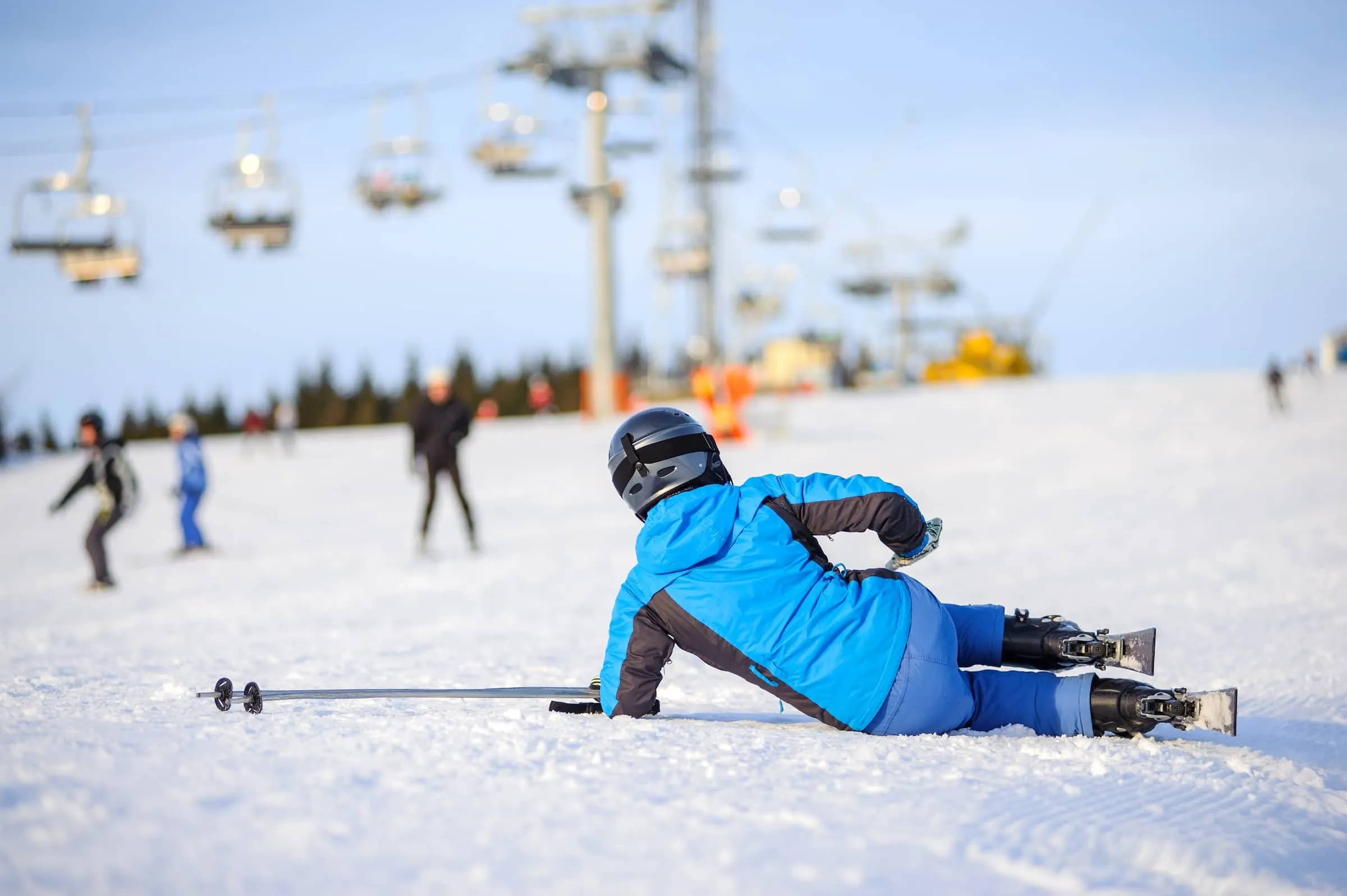
Current sports-medicine guidance on skiing safely specifically warns that fatigue can affect balance and reaction time, making rest a safety decision rather than evidence of weakness.
Prepare beforehand with strength, balance, joint-mobility and cardiovascular work; we’ve got practical ski-fit exercises for core, legs and cardio that offer a straightforward starting point.
Once away, begin with an easy warm-up run, take breaks before somebody is desperate for one, and finish while the least-conditioned skier still has reasonable control. The strongest skier can always fit in extra mileage later.
Confidence is not an ability badge
Risk tolerance is highly personal, influenced by the slope, speed, visibility, snow conditions and previous experiences. When a friend or partner says a run feels unsuitable, “You’ll be fine” is rarely useful coaching. It dismisses information they are receiving from their own body and can make them more tense.
A 2026 randomised study involving 216 novice skiers found that autonomy-supportive instruction (using meaningful choice, progressive tasks and non-controlling feedback) produced way greater improvements in skiing skill, self-efficacy and mental toughness than conventional teaching alone.
The holiday version is simple: offer options instead of issuing dares. Ask whether someone would prefer an easier route, a lesson or a later rendezvous. Respecting a “not today” can protect confidence far more effectively than hauling somebody down a piste they never wanted to attempt in the first place.
Ski together selectively
Mixed groups often struggle because they interpret togetherness as spending every minute in one crocodile line. That usually leaves advanced skiers frustrated and less-experienced skiers hurried.
Agree on expectations before the first lift: which runs suit everyone, when the group will divide and where it will reunite. Choosing a location with varied terrain for mixed-ability groups can make this easier.
The French Alps offer extensive linked areas spread across several resorts and valleys, making it easier for friends to follow different routes and regroup later. Alternatively, the Italian Dolomites combine 12 ski areas with terrain ranging from gentle slopes to more demanding descents, offering plenty of flexibility without expecting the entire group to ski together all day.
A lot of Andorra ski resorts connect multiple sectors and offer green, blue, red and black pistes, with both beginner areas and lessons alongside classes and clinics for faster, more advanced skiers.
A couple might take one scenic blue together before separating for a lesson and a more demanding circuit. Friends could meet at a named lift at midday, share lunch and choose an afternoon run as a group. Fix the meeting point carefully – “that café near the chairlift” is how relationships are tested.
Friends are friends, instructors are instructors
Few things cool a romantic ski break faster than one partner shouting technical instructions from 30 metres downhill. Even accurate advice can feel like criticism when it arrives during fear or fatigue.
Professional instruction removes that emotional baggage and gives each skier feedback suited to their actual level. It also prevents the strongest person from spending the week as an unpaid guide while everybody else resents their tone.
Set a few group rules instead: nobody is pressured onto unsuitable terrain; everyone may change plans if conditions or energy change; and anybody experiencing pain, unusual exhaustion or poor control stops rather than trying to save face.
Our expert-led guide to preventing common winter-sports injuries reinforces the value of warming up, staying hydrated, taking regular breaks, knowing your ability and avoiding overexertion. Add water, accessible snacks and a realistic lunch stop to the plan.
Après is more enjoyable when nobody has spent the final descent skiing on legs resembling supermarket spaghetti.