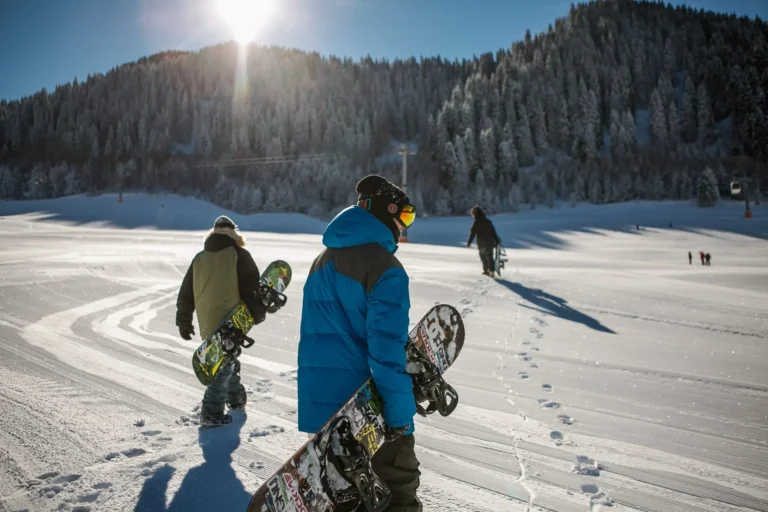
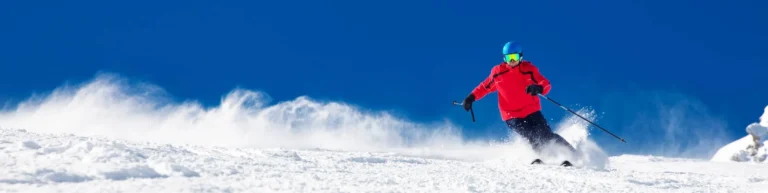
Snow instructor shares ski-fit exercises for core, legs, joints and cardio so you return to the slope.
If your first few turns of the season feel like your legs have been replaced with overcooked spaghetti, you’re not alone. The right skiing exercises don’t just make you “fitter” in the abstract—they make you steadier, stronger, and harder to knock off-line when the snow turns lumpy, the pitch steepens, or your technique starts to wobble.
Core control, joint resilience, lower-body strength, and enough engine in the tank to keep form when you’re cold and breathing hard. Do these well and you’ll ski with more control—and you’ll be far less likely to spend your holiday watching other people have fun.
Core strength: your on-snow steering wheel
“It’s really important that you have good core strength when skiing or snowboarding, as this is what ultimately gives you balance. Snow’s an unpredictable surface so balance is vital to maintain perfect posture and to have a controlled descent on the slope. Simple exercises like the plank and side plank are great ways to test yourself before heading back onto the slope.”
Skiing exercises for core and balance
- Plank + side plank — start at 30 seconds and build up each session
- Single-leg balance (alternating) — 30 seconds each side, no “toe-tap” cheating
Joints: protect the knees and ankles before they complain
“Skiing and snowboarding can be tough on your knees and ankles. This is because both require a slight bend to help with the impact of uneven terrain. If you’ve not been able to ski or snowboard in a while it’s important that you prepare your joints for this pressure with exercises like squat jumps and ankle rotations.”
Skiing exercises for joint prep
- Jumping squats — 30 seconds (land softly; quality beats heroics)
- Ankle rotations — clockwise and anti-clockwise for mobility
Leg strength: the difference between “in control” and “hanging on”
“I think it goes without saying that skiing and snowboarding require a lot of lower-body strength. Building up this leg strength is done over time when you’re on the slope regularly, but some squat holds or lunges can help build up strength in the quads and glutes faster.”
Skiing exercises for quads and glutes
- Squat holds — 60 seconds (freestanding or wall sit), repeat daily
- Reverse lunges — 30 seconds alternating; progress to jumping lunges when solid
Cardio: because skiing punishes sloppy breathing and tired legs
Cold air, altitude (if you’re in the mountains), and repeated efforts down the hill demand more from your heart and lungs than people expect—especially once you start pushing speed or tackling longer runs. The cardio goal is simple: raise your heart rate, recover, repeat.
Skiing exercises for cardio
- Sprints — run hard 30 seconds, jog 20 seconds; repeat up to five rounds
- Burpees — 30 seconds (keep the plank position honest)
The no-nonsense 15-minute ski-fit routine
Do this 3–4 times a week for two to four weeks before your trip (or keep it going all season):
- Plank — 30–45s
- Side plank — 30–45s each side
- Single-leg balance — 30s each side
- Jumping squats — 30s
- Ankle rotations — 20s each direction per ankle
- Squat hold — 60s
- Reverse lunges — 30s
- Sprints (or burpees if indoors) — 3–5 rounds
Repeat once if you have time. If you don’t, do it once properly and go live your life.
The blunt truth about “ski fit”
These skiing exercises won’t magically fix poor technique—but they will give you the strength and control to ski better for longer, and they stack the odds in your favour when the slope gets unpredictable. If you want the best return, add a little mobility work for hips and calves and treat sleep like training, not an optional extra.
Safety note
If this is your first time exercising in a while, or you have any medical concerns, speak to a qualified healthcare professional before starting a new routine.
For more on Chill Factore, visit: https://www.chillfactore.com/
FAQs
How often should I do skiing exercises before a trip?
Aim for 3–4 sessions per week for at least two weeks; four weeks is better.
What are the best skiing exercises for beginners?
Planks, wall sits (squat holds), reverse lunges, ankle rotations, and gentle intervals.
What helps knee pain or knee stability for skiing?
Strength (squat holds, lunges) plus ankle mobility and controlled landings—avoid sloppy jumping.