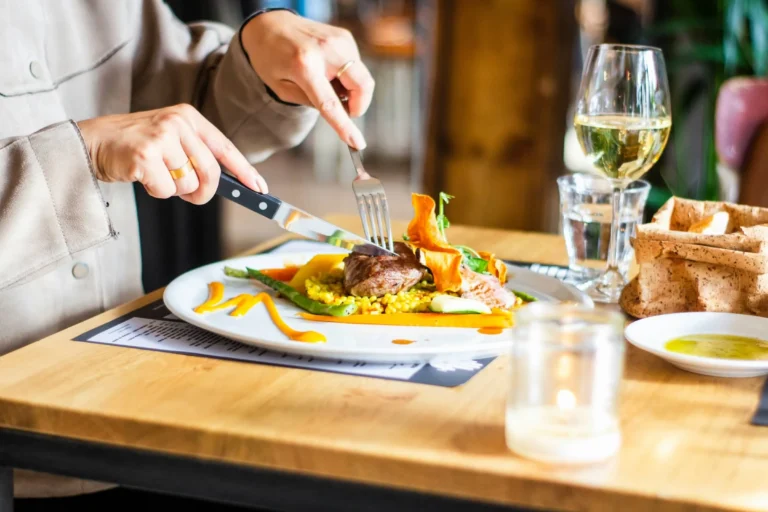
Taking GLP-1 weight-loss medications? A pharmacist explains how nutrient-dense foods, protein and resistance exercise can help preserve muscle.
For people taking GLP-1 weight-loss medications such as Wegovy and Mounjaro, the obvious change is a smaller appetite.
The less obvious problem is that smaller meals can also mean less protein, calcium, fibre and other useful nutrients. Weight may be coming off, but the bathroom scales are not especially gifted at telling you what, exactly, has left the building.
Why a smaller appetite can become a nutrition problem

GLP-1 medicines are used here for their appetite-reducing effect, which can make large meals unappealing. Curely superintendent pharmacist Sobia Qasim argues that this shifts the nutritional job rather than removing it: if there is less food on the plate, the food that remains has more work to do.
Her concern is lean muscle. The source material warns that people eating substantially less may fail to consume enough protein and key nutrients, increasing the risk of losing muscle as well as body fat. That matters beyond appearance.
Muscle supports strength and mobility, while muscle mass also declines naturally with age in a condition known as sarcopenia.
This is practical guidance from a pharmacist, not clinical trial evidence presented in the source. The distinction matters. Still, the central idea is refreshingly unglamorous: appetite suppression is not a nutritional strategy.
Qasim puts it plainly: “One of the biggest misconceptions is that weight-loss medication does all the hard work. While these medicines help reduce appetite, they don’t replace the need for good nutrition.”
Protein matters when weight loss includes muscle

The trap is easy to understand. A person feels less hungry, eats less, sees the number on the scales fall and assumes the plan is working perfectly. Yet weight loss is not automatically the same thing as fat loss.
The dietary priority in the supplied advice is therefore nutrient density: foods that provide useful amounts of protein, calcium, fibre or healthy fats without demanding a heroic portion size. Nobody needs dinner to feel like an endurance event.
That also means protein shakes and vast quantities of chicken are not the only route. For someone whose appetite has shrunk markedly, compact foods can be more realistic than trying to force down a meal designed for a rugby forward.
10 nutrient-dense foods to consider on GLP-1 medication
The pharmacist’s list is notable for being ordinary, accessible and largely free of wellness theatre.
Edamame provides protein alongside fibre, magnesium and iron, with the source putting a small bowl at around 17g of protein. Sardines combine protein, calcium, vitamin D and omega-3 fatty acids. Skyr yoghurt offers high protein with relatively little sugar and fewer calories than many standard yoghurts.
Pumpkin seeds bring magnesium, zinc, healthy fats and protein, while calcium-set tofu supplies plant protein and calcium. Lentil pasta raises the protein and fibre content of a familiar meal without requiring a complete culinary personality transplant.
White beans can add protein, fibre and calcium to soups, stews and salads. Chia seeds contribute fibre, calcium and omega-3 fatty acids in a very small serving. Tinned salmon, including the soft bones, supplies protein, calcium and vitamin D. Quark, meanwhile, is high in protein and low in fat — useful, if not a food whose name has ever caused a stampede towards the fridge.
The broader principle is more useful than memorising the list. When appetite is limited, choose foods that earn their place.
Small food swaps can improve the nutritional return
The easiest changes are often substitutions rather than additions. That matters if eating more is precisely the thing a GLP-1 user does not fancy doing.
The source suggests lentil pasta instead of white pasta for more protein and fibre; plain Skyr with berries in place of flavoured yoghurt; and roasted edamame rather than crisps. Quark or cottage cheese can replace cream cheese where extra protein is wanted, while quinoa offers more protein, magnesium and fibre than white rice.
Other swaps are similarly modest: nut butter rather than butter on toast; overnight oats with chia seeds instead of sugary cereal; and fortified milk or a calcium-enriched soy drink rather than fizzy drinks.
None of this is glamorous. That is rather the point. Sustainable nutrition is frequently a collection of sensible decisions made without a ring light.
Resistance exercise belongs in the conversation
Food is only one half of the muscle-preservation argument. Qasim also recommends resistance exercise where appropriate, including weight training, resistance bands or bodyweight work.
“We also encourage patients to include resistance exercise where appropriate, whether that’s weight training, resistance bands or bodyweight exercises. Muscle is incredibly important for long-term health, mobility and maintaining weight loss.”
The useful word there is “appropriate”. Someone taking prescription medication should not treat a generic article as a personalised training or nutrition plan. The source itself encourages patients to seek professional guidance during treatment so nutritional needs continue to be met as weight falls.
The scale is only giving you one number
The strongest idea in this advice is also the least fashionable: successful weight loss is not merely a contest to make one number smaller. If appetite drops sharply, protein and nutrient intake deserve more attention, not less.
For people taking GLP-1 weight-loss medications, that may mean smaller meals with better nutritional returns, plus resistance exercise where suitable and professional support throughout treatment. The medication can quieten hunger. It cannot choose what goes on the fork.
And that, inconveniently, is still where some of the work lives.