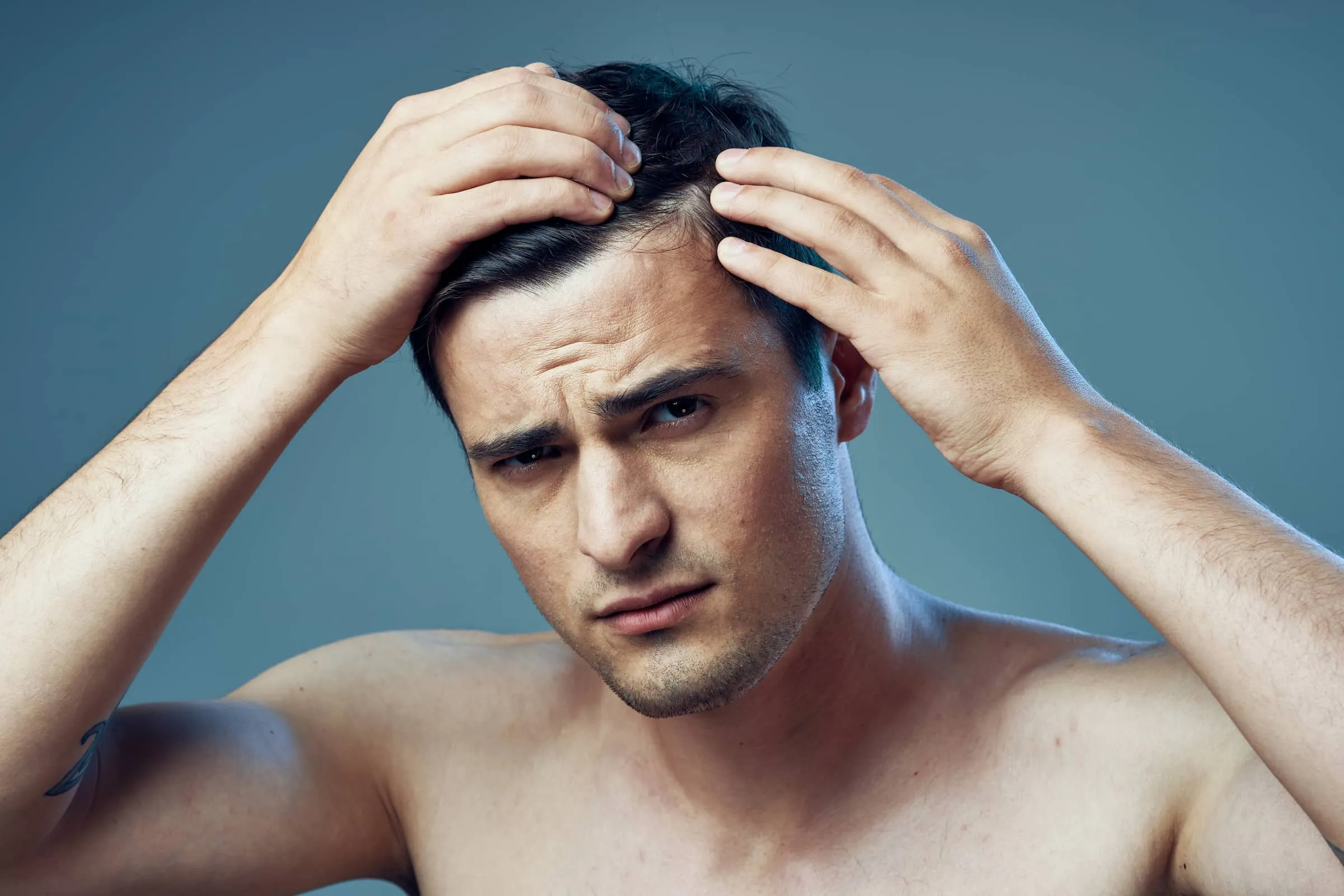
Explore FUE and FUT hair transplants, clinic selection tips, recovery timelines, and wellness insights for optimal hair restoration results.
Once upon a follicular nightmare, the words hair transplant summoned visions of tufty doll plugs and awkward hats at dinner parties. Thankfully, those dark days have receded like a dodgy widow’s peak. In their place stands a new era of hair restoration, led by high-tech tools, featherlight punches, and recovery times so quick they’d shame a pitstop crew.
Modern hair transplant techniques—especially Follicular Unit Extraction (FUE)—have turned what used to be a cosmetic gamble into a precision-driven artform.
Whether you’re battling the creeping peninsula of middle-aged male pattern baldness or just tired of strategically fluffing the sides, today’s options offer real, natural-looking results.
Out with the “Plugs”, In with Precision
The cornerstone of this renaissance? FUE, or Follicular Unit Extraction. This nifty little method involves a surgeon using a micro-punch—less than 1mm in diameter—to individually extract follicular units from the donor area (usually the back or sides of your noggin). It’s like mining for gold, one precious graft at a time.
The result? Tiny dot scars that disappear faster than your last attempt at growing a beard. Most patients return to desk duty within 48 hours, albeit wearing smug grins and bucket hats. It’s no wonder growing demand for FUE Hair transplant clinics in London and beyond—is booming.
If your hairstyle resembles a freshly mown fairway, FUE could be your ticket to turf. It’s particularly popular among those who prefer shorter crops or who want to sidestep the dreaded linear scar of older methods.
The Strip Method Still Has Its Place
Then there’s FUT—Follicular Unit Transplantation. It may sound like something out of a sci-fi thriller, but it’s been a dependable workhorse for decades. Instead of individual punches, FUT involves removing a thin strip of scalp and dissecting it under a microscope. The upside? High graft yield in one go. The downside? A fine linear scar and a slightly longer post-op Netflix binge period.
If your hair loss resembles an aerial view of the Sahara, FUT might still be the best bang for your buck.
Surgeon Shopping 101
Trusting someone with your hairline is no small matter. You wouldn’t hire a butcher to do your eyebrows, so don’t skimp when choosing a clinic. Make sure your chosen maestro is GMC-registered and ideally a member of the International Society of Hair Restoration Surgery (ISHRS)—because your scalp deserves better than a back-alley bargain.
If you’re in the Southeast, start your search for an FUE Hair Transplant in Brighton and carry out due diligence before choosing one, but vet them like you’re hiring them to paint the Sistine Chapel… on your forehead. Before-and-after galleries are key—look for natural hairlines, not Lego helmets.
And don’t skip the reviews. Trustpilot and Google are your friends. If the most common review says, “Doctor seemed lovely but now I have three hairlines,” run for the hills.
What to Expect: From Couch to Crown
On procedure day, arrive looking like you’re off to a pyjama brunch—loose, comfy clothes and zero stress. A nurse will check your vitals, take a few mugshots, and slather your scalp in numbing cream.
During FUE, you’ll feel gentle tapping as follicles are harvested one by one. For FUT, there’s a bit more slicing involved, but nothing you won’t handle with a playlist and some nerve.
Once the grafts are ready, the real artistry begins: the surgeon crafts your new hairline using symmetry, experience, and an eye for subtlety. Each graft is placed with the kind of precision usually reserved for watchmakers and bomb defusers.
You’ll leave with a breathable dressing, a head full of potential, and an instruction manual longer than your last IKEA purchase.
Recovery: The Timeline of Transformation
Days 0–2: Expect tiny crusts. Keep your head elevated, resist scratching, and embrace the saline mist like it’s holy water.
Days 3–10: Scabs start falling off, shampoo returns (gently), and you’ll be able to leave the house without explaining things to strangers.
Weeks 2–8: The “shedding phase” begins—your transplanted hairs hit the eject button before regrouping. It’s normal. It’s annoying. It’s temporary.
Months 3–12: New growth emerges. You’ll start to see density improve, and before you know it, your hairline may be catching glances in lift reflections once again. Add in a balanced diet, a little minoxidil, and maybe some low-level laser therapy, and you’re on your way to follicular fame.
Final Thoughts: Your Scalp, Your Rules
A modern hair transplant isn’t just about regaining hair—it’s about reclaiming confidence. Whether you go the FUE or FUT route, or even dabble in robotic-assisted wizardry, the key is to do it with the right surgeon and realistic expectations.
As one consultant put it: “This is a journey—not just of hair growth, but of self-perception.”
So, if you’re ready to swap hats for hair and hesitation for action, start with research. Look beyond glossy ads. Find real stories. Talk to real patients. Because in this golden age of hair restoration, your future self might just be brushing a full fringe in the mirror.
And wouldn’t that be something?