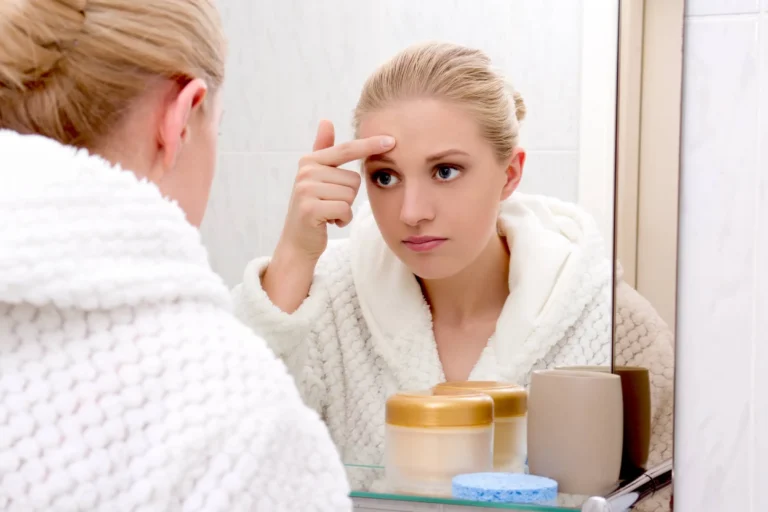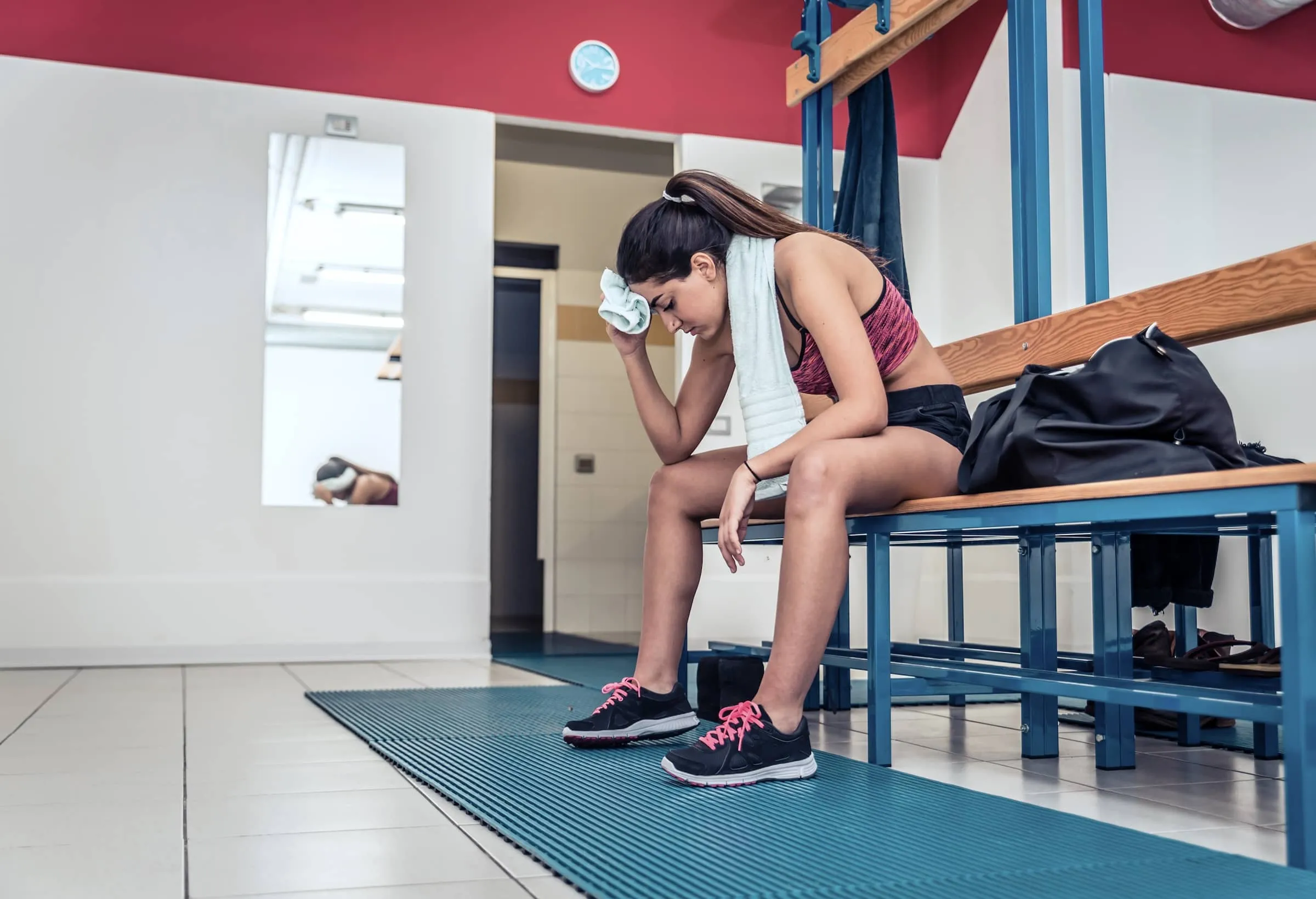
That familiar habit of staying in your gym kit long after a workout may deserve a rethink. Women's health expert Dr Catherine Hood explains the hygiene concerns, the symptoms of cystitis and why sensible precautions matter more than scare stories.
There is a point after a workout when getting changed seems like a job for later. The session is finished, the journey home is short and those leggings are comfortable enough for another hour. But for anyone concerned about cystitis, the post-gym routine deserves a little more attention.
Women’s health expert Dr Catherine Hood, an adviser to Effercitrate Tablets, argues that staying in damp, close-fitting kit can create conditions in which bacteria thrive. Her advice is straightforward: get out of sweaty clothes promptly, wash gently and choose breathable underwear.
The important distinction is that an environment in which bacteria may multiply is not, by itself, proof that gym leggings cause a bladder infection. Cystitis has a particular route of infection, and it is worth understanding that before blaming an entire wardrobe.
What sweaty activewear has to do with it

Leggings and fitted shorts often contain synthetic fibres, including nylon and Lycra. Dr Hood’s concern is that these fabrics, combined with tight clothing and moisture left after exercise, reduce airflow around the genital area.
“To help prevent your activewear from becoming a burden, avoid lingering in sweaty kit for too long and change promptly after exercise. Be sure to wash down below with water; avoid bubble baths, talcum powder and feminine wipes as these can cause irritation.”
That is practical hygiene advice, especially if a gym session is followed by errands, a commute or a long stretch in the same clothing. Dr Hood also recommends cotton underwear because it is breathable.
There is no need to treat every pair of sports leggings as a health hazard; the more useful question is how long you remain in them once the workout is over.
How cystitis actually develops
Cystitis is a common urinary tract infection affecting the bladder. Dr Hood explains that bacteria can enter the bladder through the urethra, the tube that carries urine out of the body. Bacteria from around the rectum or vagina can reach the urethral opening.
That mechanism matters. Sweat and synthetic material on their own do not explain how bacteria reach the bladder, so the suggestion that exercise clothing directly causes cystitis needs to be treated cautiously.
Cystitis can affect women at different stages of life. Dr Hood highlights pregnancy, sexual activity and the period after menopause as circumstances in which it is particularly common.
An infection can also occur in someone who has followed sensible hygiene habits; the condition cannot be reduced simply to a question of whether someone changed quickly enough after a workout.
Recognising the symptoms of cystitis
Burning or stinging when passing urine is one of the familiar complaints, but not the only one.
Some people feel they need to urinate repeatedly, only to pass very little. Urine may appear cloudy or darker than usual, or have a strong smell. Lower abdominal pain, leakage and feeling generally unwell are also among the symptoms Dr Hood identifies.
These signs deserve attention, but they do not establish a diagnosis on their own.
A high temperature or feeling significantly unwell alongside urinary symptoms is a reason to seek medical advice promptly. Dr Hood warns that cystitis can occasionally progress to a kidney infection, which may require antibiotics.
Small habits that are worth keeping
The most immediate change is also the simplest: take off damp kit soon after exercising and change into clean, dry clothes.
For washing the genital area, Dr Hood favours water and advises against potentially irritating products such as bubble baths, talcum powder and feminine wipes.
She also recommends wiping from front to back after using the toilet to avoid transferring bacteria towards the urethral opening.
Hydration forms another part of her advice. She suggests drinking water regularly and having some after sex, as well as emptying the bladder afterwards.
Rather than treating a fixed quantity of water as a guarantee against infection, the sensible principle is to stay adequately hydrated.
Nutritionist Suzie Sawyer recommends a varied diet containing fruit, vegetables, nuts, seeds, wholegrains and protein sources to support general immune health.
That is a useful wider health habit, although eating well should not be confused with a specific treatment for cystitis. Nor does a probiotic or vitamin supplement replace medical assessment if symptoms appear.
Relief is not the same as treating an infection
Once discomfort begins, it is understandable to look for something that will make passing urine less painful.
Effercitrate Tablets, for which Dr Hood is an adviser, are marketed for symptom relief. When dissolved in water, the tablets provide potassium citrate, which makes urine more alkaline and is intended to ease the burning and irritation associated with cystitis.
It is important to keep the purpose of that treatment in perspective. Symptom relief does not demonstrate that the underlying infection has cleared. Anyone considering an over-the-counter product should follow its label and check that it is appropriate for them.
Dr Hood advises seeing a GP if symptoms continue for more than a couple of days after treatment. If symptoms are accompanied by a high temperature or a marked feeling of illness, seeking medical help sooner is the more cautious course.
The best post-workout habit is not complicated. Get changed, wash without harsh products and pay attention to symptoms if they appear. A clean pair of clothes cannot promise protection from cystitis, but it is a sensible place to start.