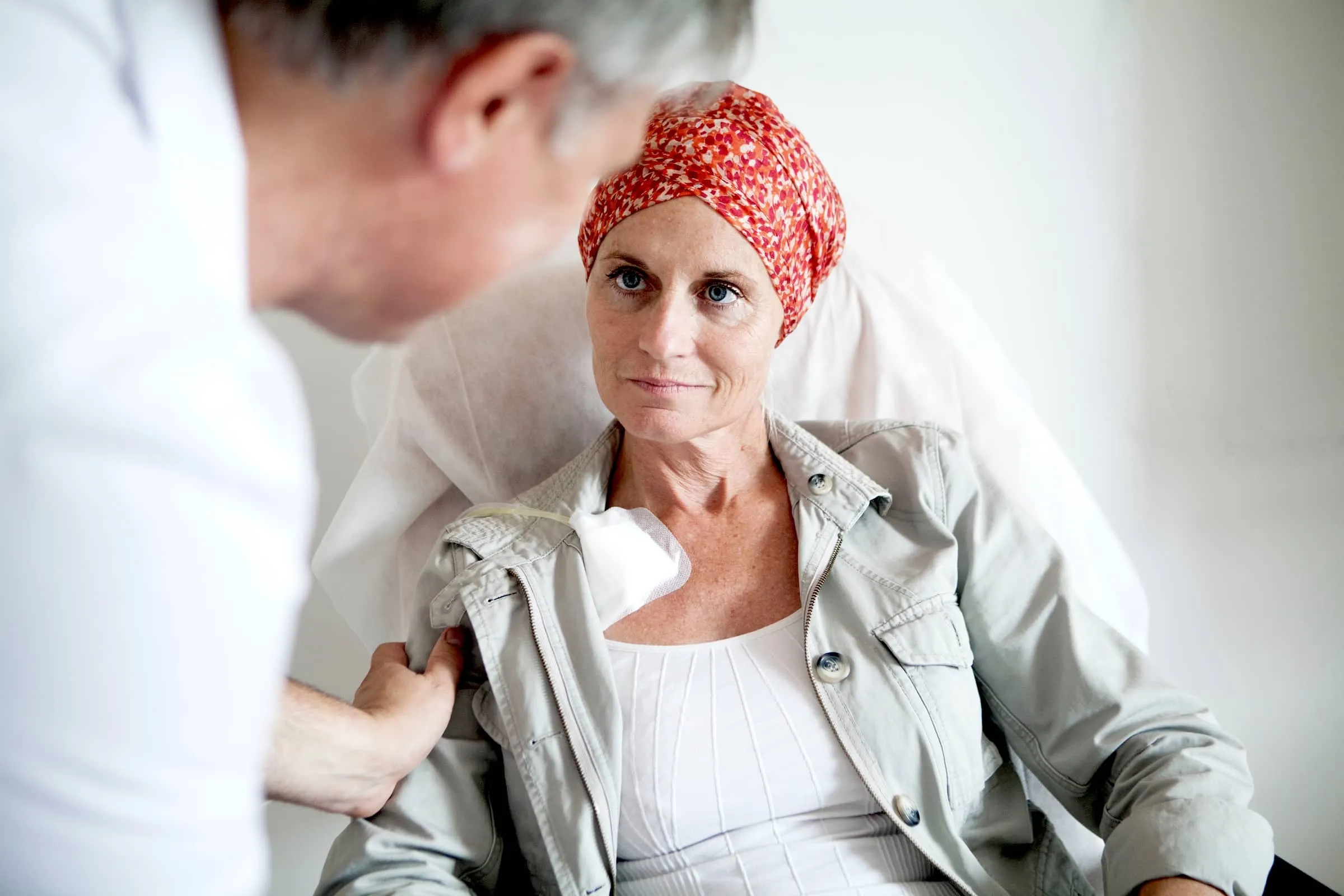
Esophageal cancer treatment affects more than the tumour. Explore nutrition, fatigue, emotional wellbeing and the realities of recovery.
In addition to the changes in their physical health, patients with esophageal cancer can experience changes to eating, energy, sleep, emotions, relationships, work and other activities that are important to them. Therefore, in addition to treatment of the tumour, there is a need to have a whole-person approach to cancer care.
Every person’s experience with cancer is different. Two people with the same type and stage of cancer can have very different experiences with their treatment and their recovery from that treatment.
The main reasons for these differences are the individual’s overall health, their treatment goals, and their circumstances.
Understanding Treatment and Its Purpose
There are several different approaches to treating esophageal cancer. These include surgery, as well as different types of chemotherapy and radiation. In addition, there are a number of targeted therapies and immunotherapies. The appropriate approach to treating a particular case of esophageal cancer will depend on several different factors, including the location of the cancer as well as its stage.
It is advisable for the patient to ask for an explanation of the recommended esophageal cancer treatment. This will help the patient understand the recommended treatment and its purpose.
A patient with cancer may find it helpful to write down questions to ask the doctor at each appointment, in order to keep track of the appointments, the names of the medicines, the symptoms, and the dates of treatment.
Supporting Nutrition During Treatment
Many people with esophageal cancer may find that the disease or its treatment can affect their ability to eat and drink, sometimes making them feel ill or cause them discomfort.
Nutrition support for people with esophageal cancer is to ensure they have a sufficient supply of calories, protein, fluids and the vitamins and minerals they require to maintain normal body functions. These individuals should receive individualised dietary advice from their healthcare team or a registered dietitian.
Some cancer patients may also require nutritional support via a feeding tube, as well as their oral diet. Patients and families should discuss this with the healthcare team. Because nutritional needs can vary, patients may benefit from individualized guidance during and after treatment.
Managing Treatment-Related Fatigue
Many people with cancer experience some degree of fatigue, which is often a symptom of the cancer itself or of its treatment. Stress, changes in sleep patterns, and poor nutrition can also cause fatigue.
It may be helpful to schedule important activities at that time of the day when energy levels are high. Break up large tasks into several smaller ones with rest periods in between.
Family and friends may provide as much support as the patient needs. They can help with things like travelling to and from appointments and treatment, shopping for healthy food and preparing it for patients. They can help with running a home and all the tasks involved with it.
Many patients feel that they are a burden on their loved ones and it is important to address this concern. Patients are often so tired that they cannot manage to do all of the things that they normally do and with a little help from loved ones they can conserve their energy for things that are important to them. Patients experiencing persistent or severe fatigue can inform their cancer care team.
Caring for Emotional Wellbeing
Patients with esophageal cancer may experience many different feelings during their treatment and after.
Again, everyone handles the news of a cancer diagnosis in different ways. While some people might like to talk with family and friends, others may like to talk with a counsellor, psychologist, social worker, or even a spiritual advisor.
There are many cancer support groups which offer patients emotional support at any stage of their cancer. Many of these groups hold meetings while patients are receiving treatment for their cancer, but there are also meetings for people who are no longer receiving treatment for their cancer.
Many people find it helpful to meet others with similar problems and concerns as their own. Seeking help when needed is a positive step. People having difficulty coming to terms with a cancer diagnosis may find it helpful to discuss their feelings with someone they trust.
Maintaining Everyday Connections
Esophageal cancer and its treatment can have physical, emotional and social impact on patients.
Connection to everyday life of a person with cancer and their family during treatment may support return to full health after treatment has ended.
Although cancer treatment can and does take up a great deal of a person’s time and the treatment for their cancer can, for periods of time, make a change to a person’s daily activities, this doesn’t have to mean that the person with cancer is unable to return to full participation and interest in everyday activities of their choice.
If individuals cannot go out as much, then they can modify activities to continue to participate in the things that they have always enjoyed. For example, individuals who used to go for long walks may need to go for shorter periods of time and then come back to rest. Others may enjoy listening to music, reading a book, watching TV, or even participating in hobbies and crafts.
Preparing for Recovery
For the most part, no matter what type of cancer a patient or their loved ones have been dealing with, there is no “instant cure” to rid them of it. Many of the cancers will leave their physical and/or emotional mark on the patient and their family, and some patients might need a lot of time and support to regroup, get back on their feet, and start eating again and going back to their daily activities.
Follow-up appointments for patients who have completed cancer treatment for esophageal cancer can provide them with ongoing care for any residual symptoms. Patients with persistent symptoms or new symptoms may receive additional treatment for their symptoms, or further investigation of their symptoms.
Patients can also receive counselling and/or emotional support if required. The healthcare team can provide guidance on when patients may be able to return to work, resume daily activities, and participate in physical activities such as walking. As each person recovers differently, the timing and course of recovery may vary.
Building a Support Network
Support for the patient can come from a variety of sources including their healthcare team, family and friends, caregivers, counsellors, dietitians, or cancer support groups. Each of these sources can provide support in different ways. The patients must communicate their needs to their healthcare team, and request privacy when required to rest.
Some people can provide help with things to do like going for walks, going to appointments, shopping, cooking and with cleaning around the house. Others can provide companionship. Patients may find it helpful to explain the type of support they need and when they would prefer to be left alone.
A whole-person approach to cancer care is important, treating the disease as well as the physical health, nutritional needs, and the emotional and psychological impact that cancer can have on patients and their relationships and activities.
In summary, cancer patients should take an active role in their overall health and wellbeing during their cancer treatment. This can be achieved by maintaining contact with their medical team, addressing their nutritional needs, seeking emotional support where required and by staying connected to aspects of their everyday life that are of significance to them.
Medical Disclaimer: The information provided in this article is intended for educational purposes only and should not be interpreted as medical advice, clinical guidelines, or a recommendation for any specific treatment.