Bupa research and Carol Kirkwood’s advice reveal simple ways to stay active, independent and healthier after 55.
Staying fit and healthy in retirement is not merely a matter of buying better walking shoes and pretending the biscuit tin is a hostile foreign power. New research from Bupa Health Clinics suggests many over-55s want to remain active and independent in later life, yet only 13% proactively monitor their health and wellbeing.
That is the awkward bit. Later living is being reimagined as a chapter of travel, hobbies, strength, grandchildren, garden projects and possibly the occasional well-earned afternoon doing absolutely nothing. But the body, that old committee of knees, cholesterol, blood pressure and sleep patterns, still insists on being consulted.
According to Bupa Health Clinics, more than half of over-55s say they have noticed lower energy levels as they have got older. Nearly two-thirds report more aches and pains, almost half have experienced changes to sleep quality, and more than a quarter say they take longer to recover after illness or exercise than they used to.
In other words, the engine still runs, but it may be time to stop ignoring the warning lights.
Why Knowing Your Numbers Matters After 55
One of the clearest messages from Bupa Health Clinics is that later-life health is not just about reacting when something feels wrong. It is about paying attention before a problem develops into something more serious.
A quarter of over-55s say they wait to see if a health issue gets better before taking action. That is understandable. Most of us have an Olympic-level capacity for denial, especially when the alternative involves a waiting room, a blood pressure cuff and someone asking how many units we drink in a week.
But some conditions do not arrive with a brass band.
Dr Stephanie Hicks, GP at Bupa Health Clinics said: “As we age our bodies naturally change and it’s really important to take proactive steps in order to look after our health, to make sure we’re able to stay healthy and active for as long as possible, rather than waiting for things to get worse.
“In our health clinics, we see a lot of customers with ‘silent’ conditions such as type 2 diabetes, high blood pressure and high cholesterol which don’t always present symptoms in the early stages. Being aware of changes to your body, such as lower energy levels or fluctuation in weight, and getting them checked out, is essential to stay on top of your health and ensure they don’t turn into more serious conditions.”
That phrase, “silent conditions”, should give anyone over 55 pause. High blood pressure and high cholesterol can be quietly industrious little villains. They do not always announce themselves. They do not necessarily ruin your Tuesday. They simply get on with it until somebody finally bothers to look.
Carol Kirkwood’s Retirement Health Wake-Up Call
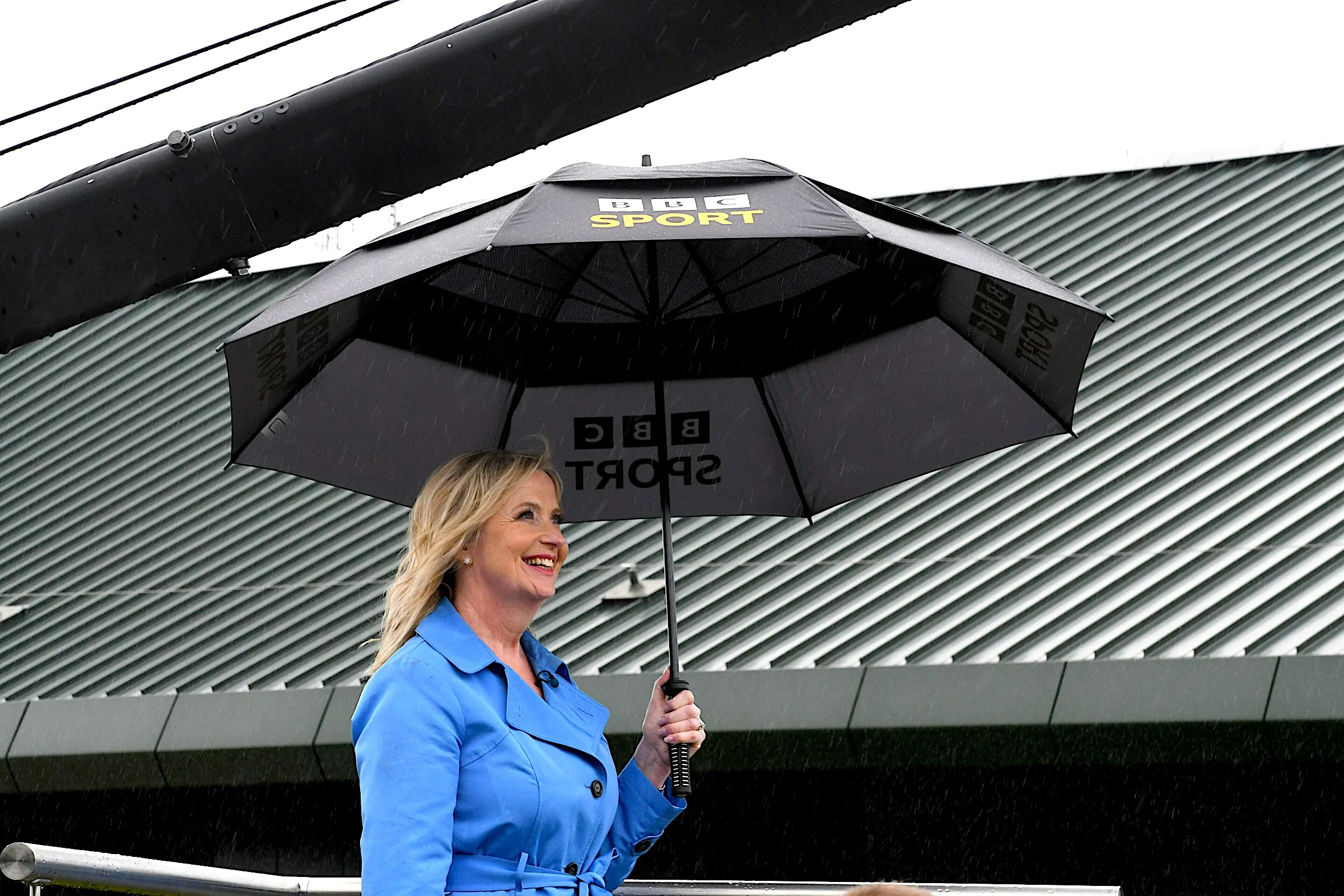
Carol Kirkwood, retired weather presenter and author, is among those encouraging people to take later-life health seriously, particularly when retirement begins to look less like an ending and more like a long, promising fairway.
Two-fifths of people in the Bupa research say they feel the best is yet to come and are optimistic about what later living has in store. That optimism is a fine thing. But, like a decent backswing, it works best with structure.
Carol Kirkwood, retired weather presenter and author, shares her advice for those nearing retirement: “Since retiring I’ve been living life to the fullest and I really feel that the best is yet to come for me. I know how important it is to prioritise health in order to enjoy retirement and maintain independence into later life. Having my Bupa Health Assessment was a real eye opener as I wasn’t as fit as I thought I was, despite being relatively active, it gave me some key areas of improvement. As a result, I know what to focus on to be proactive with my health so I can stay healthier, active and independent for longer and enjoy my retirement to the full.”
There is the useful lesson. Feeling “relatively active” is not the same as knowing where your health actually stands. A health assessment may not be glamorous, but neither is discovering too late that your body has been keeping minutes from meetings you did not attend.
Strength Training Is Not Just For Gym Enthusiasts
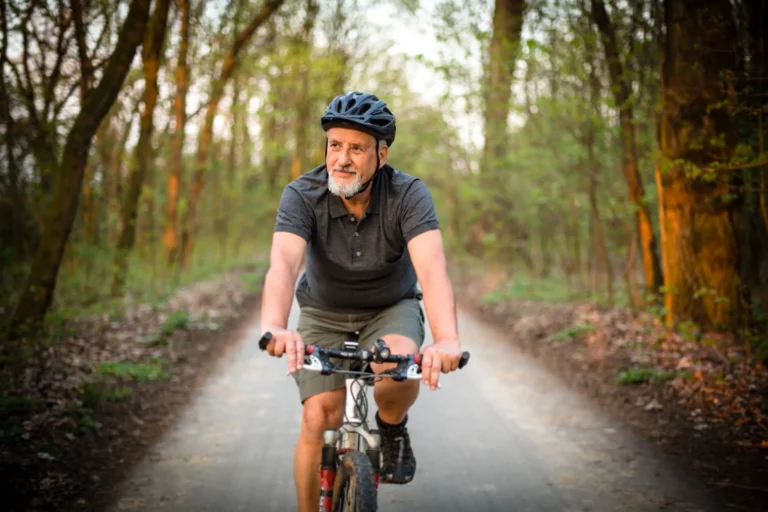
For anyone focused on staying fit and healthy in retirement, movement matters. Walking, cycling and swimming all have their place, and a brisk walk remains one of life’s great bargains: free, effective and unlikely to involve Lycra unless you insist.
But Dr Hicks highlights strength training as a particularly valuable addition in later life. This does not mean throwing a barbell around like a caffeinated rugby forward. It can mean bodyweight exercises such as squats, lunges and sit-ups, or simple work with hand weights and resistance bands.
The reason is practical. Strength training helps counter muscle loss, supports mobility and makes everyday tasks easier, from carrying shopping to climbing stairs without sounding like a small steam engine. It may also help reduce the risk of falls and fractures as people get older.
For over-55s, strength is not vanity. It is independence with better posture.
Do Not Ignore Unexplained Weight Loss Or Bleeding
Weight loss is often treated as a victory, particularly in a culture that still talks about bodies with all the subtlety of a bathroom scale at a Christmas party. But unexplained weight loss is different.
If weight drops and there is no clear reason — no change in diet, exercise, medication or routine — it should be checked. Dr Hicks points out that this may suggest the body is using extra energy for a reason that is not yet understood.
The same applies to bleeding from places where bleeding should not be happening, including from the bottom or in urine. These are not symptoms to file under “probably nothing” and leave there indefinitely.
Later-life health is not about panic. It is about not outsourcing common sense to wishful thinking.
Keep Your Brain Busy, Not Just Your Calendar
Healthy ageing is not only measured in cholesterol levels and blood pressure readings. Mental stimulation matters too.
Memory changes can be part of ageing, and taking slightly longer to recall something does not automatically mean catastrophe is waiting at the door. Still, the brain benefits from being used. Reading, puzzles, crosswords, learning a new language or picking up an instrument can all help keep the mind engaged.
The point is not to become a concert pianist at 68, though hats off if you do. It is to keep curiosity alive. The brain, much like a golf swing, tends to behave better when it is regularly maintained rather than dramatically rescued.
Stay Social To Protect Health And Wellbeing
Bupa’s advice also touches on one of the most underestimated parts of later-life health: connection.
Loneliness can affect both mental and physical wellbeing, and retirement can quietly remove many of the incidental social contacts that used to come built into the working week. The colleague at the kettle. The commute conversation. The person in accounts who somehow knew everything before it happened.
Family, friends, hobbies, gym classes, volunteering and local groups can all help keep social contact part of daily life. It does not need to be complicated. It simply needs to happen often enough that isolation does not get the upper hand.
Health Checks Are About Prevention, Not Pessimism
The phrase “health check” can sound slightly ominous, as if one is volunteering to be told off by a clipboard. In reality, it is a way of replacing guesswork with evidence.
Blood pressure, cholesterol levels, weight changes and other markers can give people a clearer picture of their health. That knowledge can then guide better decisions about exercise, diet, medication, sleep and future care.
For those interested in staying fit and healthy in retirement, this is the sensible foundation: know the numbers, notice the changes, build strength, stay connected and act early when something feels off.
Retirement should not be approached as a slow retreat from life. Done well, it can be an expansion: more time, more choice, more mornings that belong entirely to you.
But the best years ahead deserve a body and mind properly looked after — not serviced only when the wheels start making that expensive noise.