Bladder leakage is pushing women out of sport early. Athletes and experts explain why pelvic health support could keep more women active.
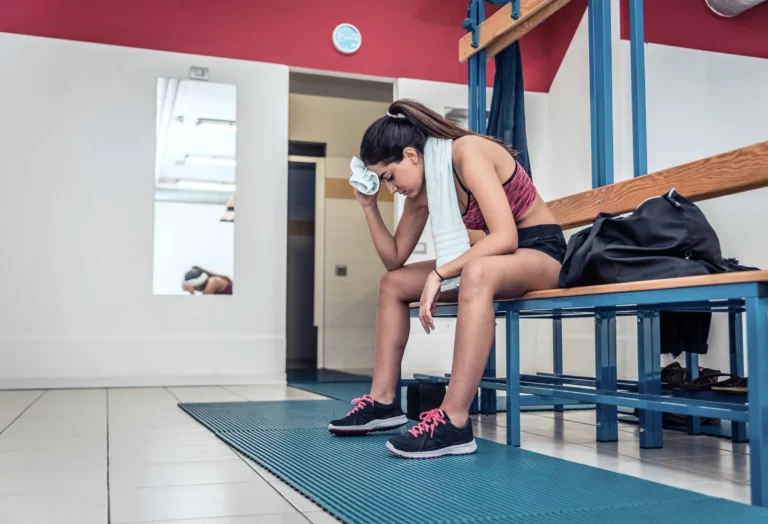
Bladder leakage is still pushing women away from sport, often before their athletic lives have properly begun. Research commissioned by TENA says one in three women in its study are choosing to leave sport, while 74% cited embarrassment.
The more revealing story is not simply the discomfort involved, but the scale of the loss: confidence, competition, community and, in some cases, a sporting life that never gets the chance to become one.
Why bladder leakage in women’s sport stays hidden
Elite sport enjoys talking about marginal gains. It is less fluent on the subject of an involuntary leak during a lift, sprint or landing.
That silence matters.
TENA’s findings suggest women experiencing bladder leaks may quit before the age of 25, while separate research conducted by the brand says 29% of Gen Z women and 50% of millennials have experienced the issue.
Among affected Gen Z respondents, 65% said bladder leakage had caused them to stop or reduce their sporting activity. Nearly one in five, or 18%, said they had left sport altogether.
These are brand-commissioned figures, and no sample size or research methodology was supplied with the material. They should therefore be treated as an indicator rather than a national diagnosis.
Even with that caveat, the pattern is difficult to dismiss. Embarrassment appears to be doing a remarkably efficient job of emptying changing rooms.
Athletes put pelvic health into plain language
TENA brought a “Pelvic Power Squad” to Glasgow during the city’s multi-sport event, pairing Olympic pole vault bronze medallist Holly Bradshaw with powerlifter Emily Westray and women’s fitness and pelvic health specialist Shakira Akabusi.
Bradshaw, Britain’s first Olympic medallist in the pole vault and now a new mother, placed the issue firmly within the wider argument about keeping women active.
“As a new mother, I’m highly aware of the issue of bladder leaks and the importance of maintaining good pelvic health. As this week’s action has shown, sport can be such an incredible outlet for building confidence, meeting like-minded people and improving your overall wellbeing.
“There are so many barriers facing women in sport. It’s incredibly frustrating that this often-preventable issue remains so common. We know that bladder health can be a taboo topic, but it shouldn’t have to be. The more we can educate women, the greater the chance we have of keeping them active and involved in sport.”
The significance of athletes speaking plainly is easy to underestimate. A health concern wrapped in secrecy acquires a second burden: the belief that nobody else has it.
Public candour does not cure the condition, but it can remove the rather absurd notion that silence is part of the treatment.
Bladder leaks do not have to end participation

Westray has experienced bladder leakage in competition, where composure is supposed to arrive on command and the body occasionally declines the invitation.
“Having experienced my own bladder health challenges in competition, I know just how disconcerting this can initially be, but there’s no shame in leaking, whatever the reason, and it certainly doesn’t have to mean the end of your sporting journey.
“There are things you can do, including strengthening your pelvic floor muscles through exercises such as Kegels, modifying exercise routines and, in some cases, seeking medical advice.
“It’s so important to keep women in sport and enjoying the amazing feeling it can give you.”
That reference to medical advice matters. Pelvic floor exercises are often presented as a neat universal answer, yet women may need individual guidance, particularly where symptoms persist or technique is uncertain.
The sensible message is neither panic nor stoicism. It is to find appropriate support and keep the conversation attached to health rather than shame.
Could pelvic floor support keep women active?
Among women in TENA’s research who had already given up sport, 83% believed simple changes, including regularly completing Kegel exercises, might have helped them remain active for longer.
That figure captures both hope and frustration. Many women appear to be leaving before they have been offered practical information, suitable exercise modifications or a route to professional advice.
Mark Geddes, Senior Brand Manager at TENA, said: ““Our research suggests that over 10 million women are leaving sport early due to bladder leaks. Every woman deserves the chance to reach her full potential in sport, whatever that looks like to her. Whether they’re chasing podiums, personal bests or simply the joy of being active, no woman should be forced to step away and wonder what might have been. We don’t want bladder leaks to be the reason women miss out on opportunities, confidence or sporting success. That’s why we’ve created a collection of resources such as our broadcast channel and an educational content series to provide greater pelvic support and advice to those in need.
The “over 10 million” estimate is a striking claim, but it requires the underlying methodology before it can be treated as a firm UK population figure.
The broader point survives that scrutiny. Women should not be drifting out of sport because a common health concern has been left to lurk behind euphemism and embarrassment.
Better awareness, fewer empty spaces
TENA is directing women to educational material and ambassador advice through its Instagram broadcast channel, @tenawomenuk.
That is a campaign resource rather than a substitute for clinical assessment, but accessible information has a role in helping women recognise that bladder leakage is neither a personal failure nor an automatic full stop.
Sport has spent years asking how to recruit more women and girls. Retention deserves the same attention.
The missing athlete is not always short of ambition, talent or time. Sometimes she simply needed useful advice before embarrassment made the decision for her.
Bladder leakage may be common. Losing women from sport because nobody spoke about it should never become normal.