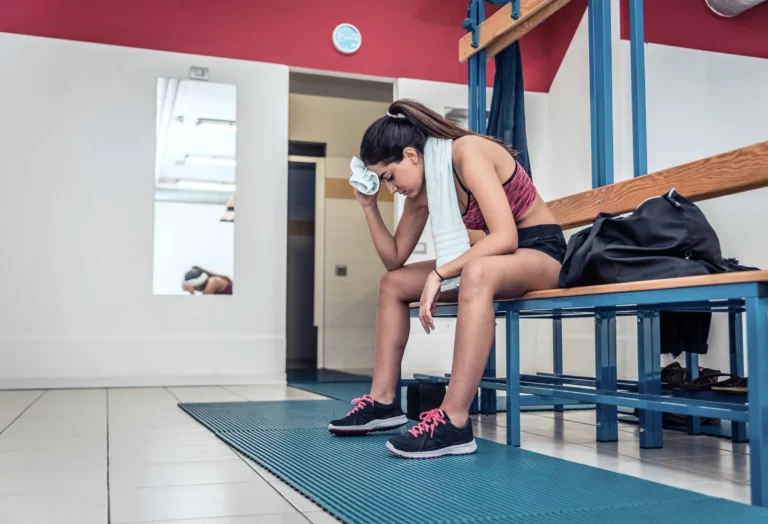
TENA research reveals bladder leaks are forcing women out of sport, with many quitting before 40 through shame and embarrassment.
TENA has put a stark number on one of sport’s least-discussed problems: bladder leaks are pushing millions of women away from exercise, with new research suggesting the average age for quitting sport altogether is now just 37.
That is not a gentle drift from netball courts, gyms, rugby pitches or running clubs. It is an early exit. And in far too many cases, it appears to be driven not by lack of talent, love, fitness or time, but by embarrassment, self-consciousness and shame.
According to the research, seven in 10 women have given up sport before the age of 40 because of bladder leaks. Among those affected, 67% cited embarrassment, 58% self-consciousness and 36% shame.
A dodgy knee gets sympathy. A torn hamstring gets a physio. A leaky bladder, too often, gets silence. And silence, as any coach worth their whistle knows, is where participation goes to die.
The Rugby Shirts That Made The Point Without Saying A Word

To show the scale of the dropout, TENA installed 10 suspended rugby shirts between the posts at Sale FC’s stadium, home of Sale Sharks Women.
Seven of those shirts were left blank.
The message was not exactly subtle, nor should it have been. The blank shirts represented players who have left sport because of bladder leaks. Empty shirts, empty places, empty pitches. A team sheet thinned out by a health issue that is common, often treatable, and still wrapped in the sort of hush normally reserved for family arguments at Christmas lunch.
It was a sharp visual way of bringing a private issue into a public sporting space. And, frankly, women’s sport has earned better than losing players to embarrassment.
TENA Teams Up With Em Clarkson And Molly Wright
TENA has now partnered with broadcaster and women’s health advocate Em Clarkson, alongside Sale Sharks and Scotland Women’s player and physio Molly Wright, to create a content series aimed at challenging the stigma around incontinence in sport.
The series will be hosted on TENA’s Instagram broadcast channel and will feature practical tips from Clarkson and Wright, as well as educational resources designed to help women stay active, strong and leak-free.
Clarkson, who recently shared her own recovery and return to exercise following the birth of her second daughter, said: “When I talked about the issues I was having with my own pelvic floor health, and the steps I was taking to rehabilitate it, I was so struck by how many people asked me questions about the issue and what could be done for them. It made me realise that this is simply not something we are speaking about nearly enough, which is leaving women suffering in silence for such a long time.
“There are so many barriers that face women in sport, whatever that sport is. It’s such a frustration that this often preventable one is such a common one. We know that people suffer and then leave sport. We want to support those people, give them the right information so that they don’t have to experience bladder leaks.”
That last point matters. This is not simply about products, although TENA is naturally part of that conversation. It is about information, pelvic floor health, confidence, and women not feeling as though a perfectly human body issue has somehow disqualified them from sport.
Bladder Leaks Are Not Just A Postnatal Issue
One of the most important details in the research is that bladder leaks are affecting women across age groups.
Nearly a third of Gen Z women, 29%, have experienced bladder leaks, while the issue has affected half of millennials. Among Gen Z women who experience bladder leaks, almost two-thirds, 65%, said it had caused them to give up or cut back on sport, while nearly one in five, 18%, had quit altogether.
That challenges the lazy assumption that bladder leaks only belong in postnatal conversations or later-life health discussions. They do not. They can turn up among younger women too, often just as sport, fitness and confidence should be gaining momentum.
And once sport goes, a lot can follow it out the door: routine, social connection, strength, mental health, identity, and the quiet satisfaction of doing something physically difficult without apologising for it.
Why Pelvic Floor Health Needs To Be Part Of Sport
For many women, the issue is not simply the leak itself. It is the anticipation of it.
The fear of a sprint, a jump, a tackle, a heavy lift, a long run, or a sudden change of direction can become enough to make sport feel risky. Not dangerous, exactly. Worse. Humiliating.
That is why pelvic floor health deserves to be treated as part of mainstream performance and participation, not a side topic whispered about after class.
Kegel exercises, pelvic floor rehabilitation, physiotherapy guidance and better education can all play a role where appropriate. According to the research, 83% of women who had given up sport believed simple changes such as regular Kegel exercises would have helped keep them involved for longer.
That is a large number. It suggests many women did not necessarily want to stop. They simply did not have the right support early enough.
The Bigger Problem For Women’s Sport
Women’s sport has surged in profile, audience and commercial strength in recent years, but participation is not protected by visibility alone.
You can sell out stadiums, grow broadcast audiences and produce heroes by the dozen, but if women are quietly stepping away from grassroots sport because they feel embarrassed by bladder leaks, the pathway still has a leak of its own.
Mark Geddes, Brand Manager at TENA Women, said: “Women’s sport has never been more popular, but far too many still feel forced to walk away because of barriers like bladder leaks, it’s clear more support and education is urgently needed.
“Sport plays a vital role in our lives, boosting physical health, confidence and wellbeing, and every woman should feel able to stay in the game for as long as she wants. At TENA, we recognise that bladder leaks affect every woman differently, which means there’s no one-size-fits-all answer. That’s why we’re here to support women throughout their pelvic health journey with a range of solutions. Through our educational tools and products, we hope to help more women manage leaks with confidence and stay in the sports they love for longer.”
It is the “no one-size-fits-all” point that carries weight. Bladder leaks can vary. So can causes, triggers, severity and confidence levels. A runner may have different concerns from a rugby player. A new mother may need different advice from a 23-year-old gym-goer. The solution has to be practical, personal and stigma-free.
A Conversation That Belongs On The Pitch
Sport is full of unpleasant bodily realities. Sweat, blisters, bruises, cramps, stitches, dodgy ankles and changing-room aromas that could bring down a small aircraft. Yet bladder leaks remain oddly exiled from the conversation.
That has to change.
If the goal is to keep women moving, competing, training and enjoying sport for longer, pelvic health must be treated with the same seriousness as injury prevention, nutrition, recovery and mental wellbeing.
The TENA campaign lands because it does not frame bladder leaks as a punchline or a private failing. It frames them as a participation issue. And in sport, participation is the whole game.
To sign up for the TENA women’s broadcast channel, visit @tenawomenuk on Instagram.
The blank shirts at Sale FC made their point clearly enough: when women leave sport because nobody gave them the language, support or confidence to stay, the loss is not invisible. It is right there between the posts.