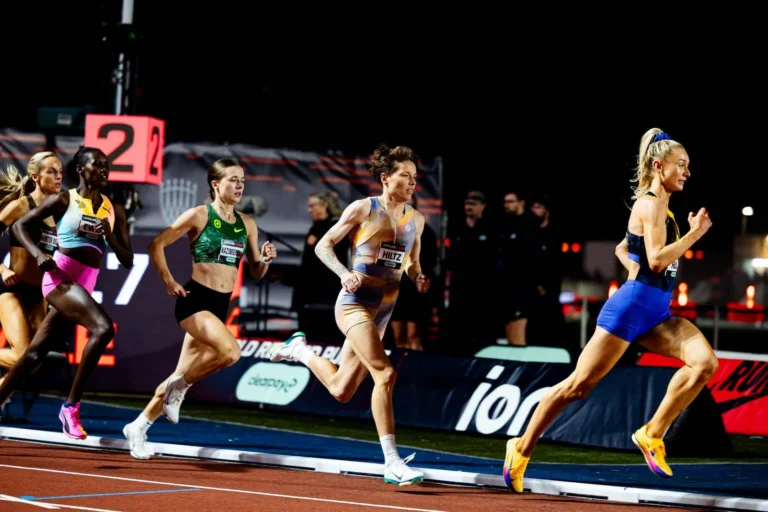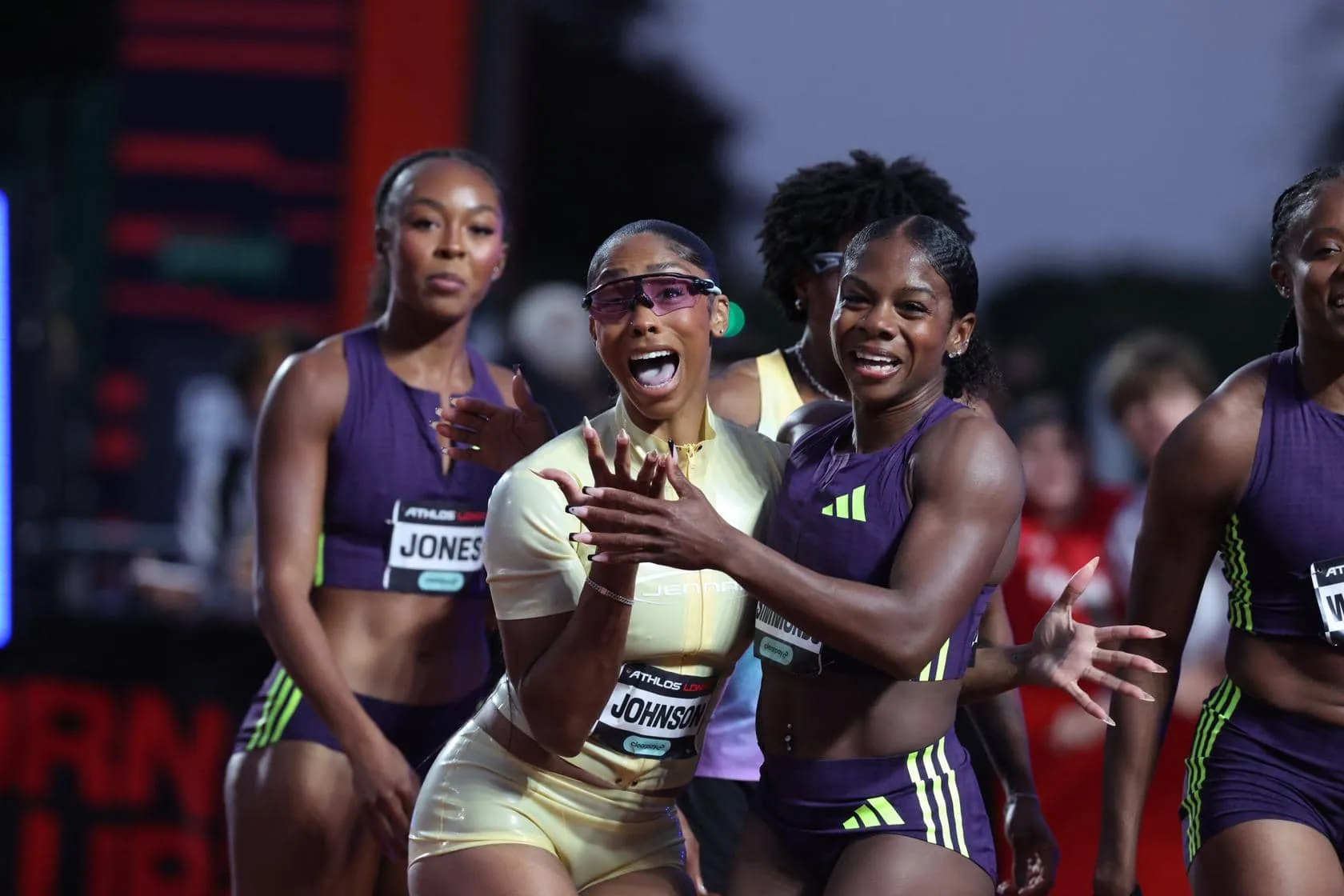
Keely Hodgkinson, Sha’Carri Richardson and Gabby Thomas win as ATHLOS London debuts with seven events and athlete equity on offer.
Seven winners took the honours at a sold-out StoneX Stadium, but ATHLOS London’s international debut was also built around a more unusual prize: giving eligible athletes a stake in the league itself.
ATHLOS London 2026 did not arrive quietly. StoneX Stadium was sold out, seven elite events carried a combined $1,057,000 prize purse, and each winner left with $65,000, an equity stake in the league and a bespoke Tiffany & Co. crown.
The jewellery was difficult to miss. The stopwatch, thankfully, still had the final say.
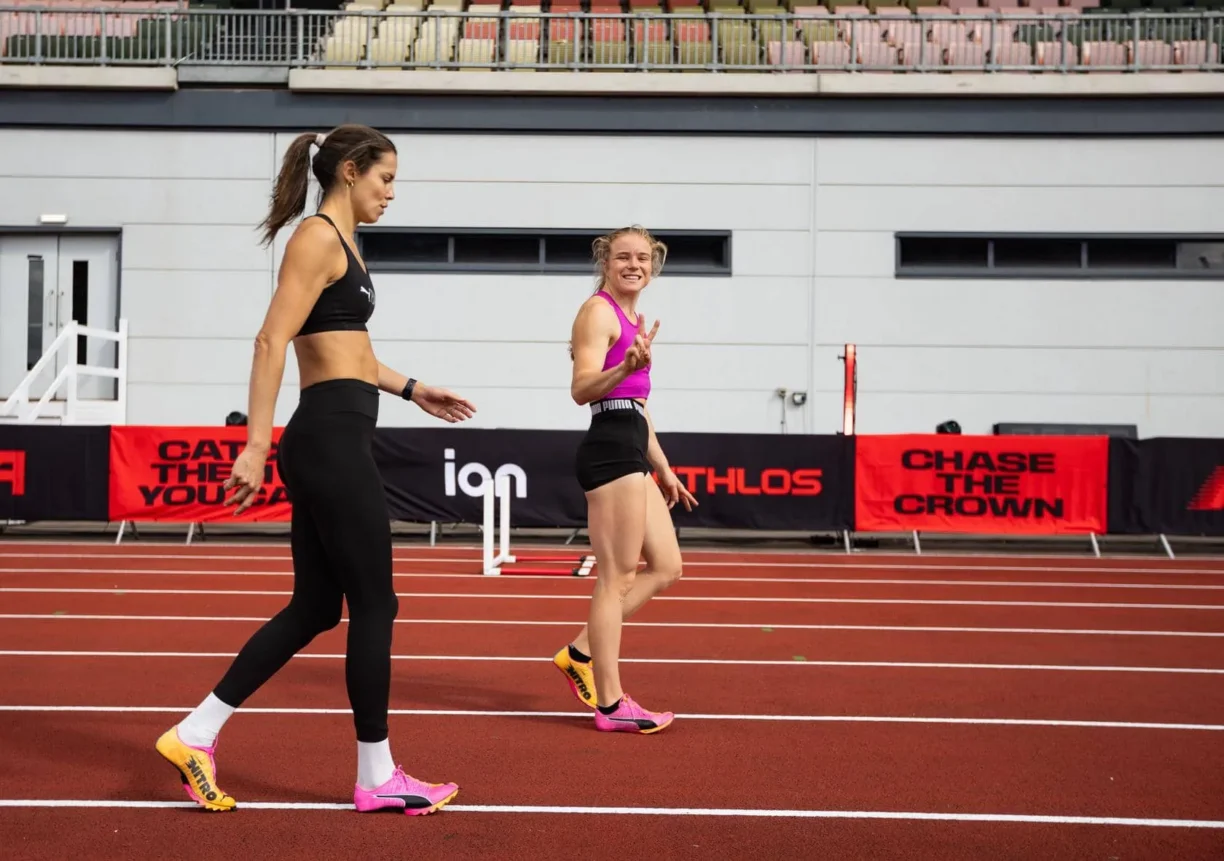
Sha’Carri Richardson won the 100m final in 10.80, Marileidy Paulino took the 400m in 48.73 seconds and Gabby Thomas claimed the 200m in 22.13 seconds. For the British crowd, Keely Hodgkinson supplied the home success, winning the 800m in 1:56.40.
It was a compact programme stuffed with recognisable names, but the more interesting question around ATHLOS extends beyond who crossed the line first. This is a competition attempting to put athletes not simply on the bill, but into the ownership structure.
ATHLOS London 2026 results
There were seven first ATHLOS London champions across the track and field programme.
Alaysha Johnson won the 100m hurdles in 12.50 seconds, while Alyssa Jones took the evening’s sole long jump title with 6.66m.
Richardson’s 10.80 secured the 100m final before Klaudia Kazimierska won the mile in 4:19.43. Paulino followed with her 48.73-second victory over 400m.
Hodgkinson won the 800m in 1:56.40, while Thomas completed the list of champions with a 22.13-second performance in the 200m.
The wider field included Georgia Hunter Bell, Daryll Neita and Rhasidat Adeleke, giving the London meeting the sort of name recognition required if a new competition wants to be treated as rather more than an expensive exhibition.
Keely Hodgkinson delivers the London result
For a meeting making its international debut in Britain, a British victory did no harm.
Hodgkinson’s 1:56.40 in the 800m gave the sold-out crowd a home winner among a strongly international collection of champions. Richardson, Johnson, Jones and Thomas delivered four American victories, with Paulino representing the Dominican Republic and Kazimierska Poland.
The event was carried live by the BBC in the UK and made available across more than 150 countries through broadcasters and platforms including ESPN, YouTube, X, Eurosport, beIN, ION and W-Sport Network.
That reach matters to ATHLOS. A league can assemble an excellent field, but turning athletes into recognisable recurring characters requires people to be able to watch them.
The prize that matters beyond one night
The crowns make the photographs. The equity is the more unusual bit.
Eligible ATHLOS competitors can hold direct equity ownership in the league, an arrangement ATHLOS describes as unique among professional track competitions. Thomas and Richardson are also athlete-owner advisers, placing two of the meeting’s most prominent competitors inside the wider structure of the organisation.
For the seven London winners, victory therefore came with three distinctly different rewards: $65,000 in prize money, the Tiffany & Co. crown and a stake in the competition itself.
That gives ATHLOS a point of difference that cannot be measured in hundredths of a second. Athlete ownership does not make the racing faster, nor does it guarantee the league’s future. It does, however, alter the relationship between the people competing and the organisation building the event around them.
The evening started with the next generation
Before the elite racing began, ATHLOS used the track for its Youth Legacy Programme, giving young female school athletes from the UK the chance to compete before the main meeting.
It was a useful piece of programming on a night otherwise dominated by established international names. The professionals provided the spectacle later; the school athletes were given their own glimpse of the same stage first.
For ATHLOS, London was an international debut designed at considerable scale: a sold-out stadium, global distribution, more than $1 million in prize money and seven champions crowned under the lights.
The Tiffany crowns were the obvious souvenir. The ownership model may prove to be the detail with the longer shelf life.